


{{goods.model}}
CNC Router vs CNC Milling Machine Key Differences and Buying Guide

When investing in a CNC machine, one of the most common questions buyers ask is: CNC Router vs CNC Milling Machine, which one is the better choice? Both are computer-controlled subtractive manufacturing systems that use rotating cutting tools to remove material and produce precise shapes. However, their intended uses, suitable materials, and machining requirements are vastly different.
CNC routers feature a gantry-style structure and are optimized for high-speed cutting of wood, plastics, composites, and sheet materials. CNC milling machines, on the other hand, utilize a fixed bridge structure and are designed specifically for precision metalworking and heavy-duty industrial applications. Understanding the differences between CNC router machines, and CNC milling machines can help manufacturers avoid costly mistakes and select equipment that aligns with their production goals.
In this guide, we will provide a comprehensive comparison of CNC router vs CNC mill, analyze their advantages and limitations, discuss costs and applications, and help you determine which solution represents the best investment.
I.What Is a CNC Router?
A CNC router is an automated cutting machine that processes various non-metallic materials quickly and efficiently.
CNC engraving technology uses computer programs to control cutting tools as they move along preset paths. It can perform operations such as cutting, engraving, drilling, slotting, and shaping with high precision and repeatability.
Unlike traditional manual router machines, CNC routers follow digital instructions generated by CAD/CAM software, enabling manufacturers to produce complex designs efficiently and consistently. Modern CNC router systems are widely used in furniture manufacturing, cabinet production, sign making, plastic processing, and soft metal fabrication.
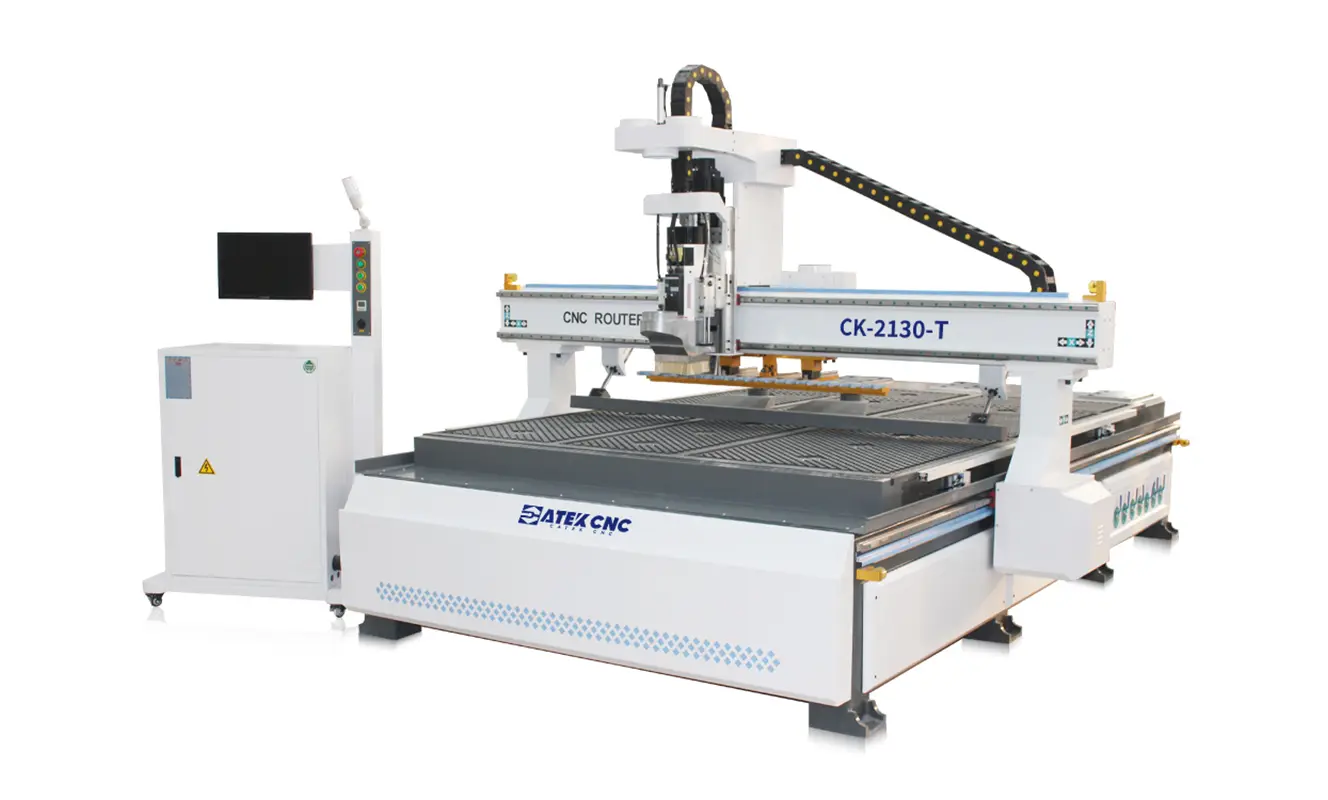
1. How does a CNC router machine work?
First, a part or product is created using CAD (Computer-Aided Design) software. Then, CAM (Computer-Aided Manufacturing) software is used to convert the design into machine-readable instructions. These instructions are commonly referred to as G-code, which precisely controls how the CNC router moves, which cutting tools to use, and at what speed to operate.
During the machining process, the spindle rotates at high speed while the machine moves along multiple axes to cut, engrave, drill, or carve the material. Most industrial router machines have spindle speeds ranging from 18,000 to 24,000 RPM, making them ideal for rapid material removal and achieving smooth sheet cutting results.
A typical machining process includes the following steps:
Step 1: Design Creation
The operator creates a design in CAD software or imports an existing file.
Step 2: Toolpath Generation
CAM software converts the design into cutting paths and machining instructions.
Step 3: Material Setup
The workpiece is secured to the machine table using fixtures or a vacuum clamping system.
Step 4: Automatic Machining
The spindle rotates the cutting tool at high speed while the machine moves along the predefined path.
Step 5: Finished Product
CNC routers complete cutting, slotting, and engraving processes with minimal human intervention.
Main Components of a CNC router Machine
Modern CNC router systems typically include:
- Heavy-duty mechanical frame
- Gantry structure
- High-speed spindle
- Servo motor system
- Vacuum table
- Controller system
Depending on production requirements, the machine can also be equipped with features such as an automatic tool changer, automatic loading/unloading system, nesting software, and a dust extraction system.
2. What are the common applications of CNC routers?
One reason for the growing popularity of router CNC machines is their versatility. A single machine can perform a wide range of manufacturing processes across various industries.
- Furniture manufacturing
- Cabinet production
- Signage production
- Architecture and interior design
- Plastic and composite material processing
- Foam processing
- Soft metal (aluminum, copper) processing
3. Types of CNC Router Systems
Different production needs require different machine configurations. Understanding the main types of CNC router systems will help you choose a machine that aligns with your production goals, material types, and budget. From basic sheet cutting to complex 3D machining, each CNC router configuration offers unique advantages.
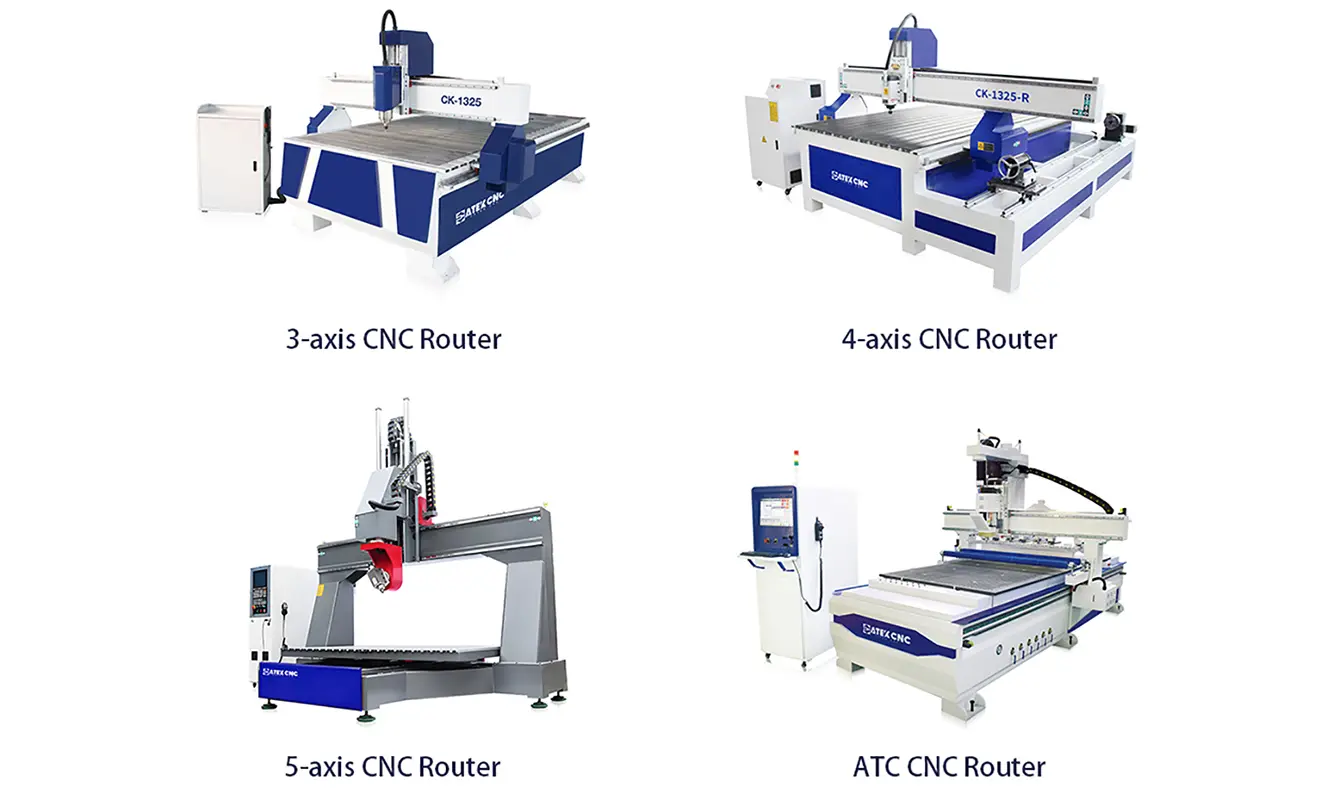
(1) 3-Axis CNC Router Machine
The three-axis CNC router is the most common and widely used type of CNC engraving machine. It moves along three linear axes:
- X-axis (left and right)
- Y-axis (forward and backward)
- Z-axis (up and down)
This configuration is ideal for machining flat materials and performing standard cutting, engraving, drilling, and routing operations.
(2) 4-Axis CNC Routers
Four-axis CNC routers add a rotational axis to the standard 3-axis configuration, enabling the machine to process cylindrical and curved workpieces.
Unlike standard CNC routers, which primarily operate on flat surfaces, 4-axis routers can rotate the material during the machining process, allowing for the creation of complex circular designs.
- Stair railings
- Table and chair legs
- Wooden columns
- Cylindrical carvings
- Decorative furniture components
- Sculptures and artwork
For businesses producing decorative furniture parts or architectural wood components, a 4-axis CNC router can significantly increase production capacity.
(3) 5-Axis CNC Router
The 5-axis CNC router is one of the most advanced CNC router solutions available today. In addition to the X, Y, and Z axes, the remaining spindles can tilt and rotate, allowing the cutting tool to approach the workpiece from multiple angles. This enables the machine to produce highly complex 3D shapes that would be difficult or impossible to achieve on 3-axis or 4-axis machines.
- Complex 3D molds
- Aerospace components
- Automotive prototypes
- Boat and yacht interiors
- Large-scale sculptures
- High-end custom furniture
(4) ATC CNC Routers
ATC (Automatic Tool Changer) CNC routers improve production efficiency by automatically changing cutting tools during the machining process. The machine does not need to stop production for manual tool changes; instead, it automatically selects the required tool from the tool magazine, enabling multiple operations to be completed within a single program. Modern ATC CNC router systems are becoming increasingly popular among manufacturers seeking higher levels of automation and production efficiency.
II. What Is a CNC Milling Machine?
A CNC milling machine is a precision machining system specifically designed for machining metals and other hard materials. Unlike engraving machines, which prioritize speed and large working areas, metal milling machines focus on cutting force, rigidity, and dimensional accuracy. These machines are capable of machining complex, three-dimensional precision parts while maintaining tight tolerances.
1. How Does a CNC Milling Machine Work?
A CNC milling machine uses computer-controlled movement and rotating cutting tools to remove material from a workpiece with extremely high machining precision. Unlike CNC machine router, which are optimized for high-speed machining of wood and plastic, milling machines are designed to machine harder materials such as aluminum, steel, stainless steel, brass, and titanium. They operate at slower speeds but achieve extremely high precision.
The machining process utilizes digital designs created with CAD software. The operator first designs the part geometry in CAD software, then uses CAM software to generate toolpaths and G-code instructions.
During machining, the CNC system precisely controls the movement of the spindle and all axes (X, Y, Z, and multi-axis interpolation) according to the program instructions. This allows the high-speed rotating cutting tool to progressively remove material from the workpiece along the predefined path, thereby producing the desired shape and dimensions.
2. What are the common applications of CNC milling machines?
CNC milling machines are widely used in industries that require high-precision, high-reliability metal machining. Thanks to their rigidity and precision, they are capable of producing complex parts with tight tolerances and excellent surface finishes.
Common applications include:
- Mold manufacturing
- Automotive parts production
- Aerospace components
- Medical device manufacturing
- Industrial machinery parts
- Metal prototypes and custom components
- Precision engineering projects
Whether producing a single prototype or high-volume metal parts, CNC milling machines are indispensable tools for manufacturers requiring precision, consistency, and durability.
III. CNC Router vs. CNC Milling Machine: What are the Key Differences?
Before delving into the technical details, here is a quick overview of the most important differences between CNC routers and CNC milling machines. Although both utilize CNC technology, their intended applications and machining requirements are fundamentally different.
| Item | CNC Router | CNC Milling Machine |
|---|---|---|
| Main Materials | Wood, MDF, Plastic, Acrylic, Foam, Composite Panels | Aluminum, Steel, Stainless Steel, Titanium, Brass |
| Cutting Speed | High(12000-24000 RPM) | Low(3000-8000 RPM) |
| Torque | Lower | Higher |
| Machine Structure | Heavy-duty Gantry | Reinforcing cast iron or heavy-duty steel structures |
| Cutting Depth | Shallow | Deep |
| Precision | Higher | Very High |
| Cost | Lower | Higher |
| Work Area | Large | Smaller |
| Production Type | Panels, Sheets, Large Components | Precision Parts, Metal Components |
1. CNC Router vs. Milling Machine: Machine Construction
One of the most significant differences between a CNC router and CNC milling machine lies in their physical construction. Although both machines rely on computer-controlled motion to remove material, their structural designs are centered around entirely different manufacturing objectives.
CNC router machines are primarily used for high-speed, large-format material processing. Manufacturers expect these machines to quickly and efficiently cut large sheets of plywood, MDF, acrylic, PVC, or composite panels. Consequently, most routers feature a gantry design, allowing the spindle to move rapidly across a large working area.
The design philosophy of a CNC milling machine differs from that of a standard milling machine. Rather than prioritizing extreme speed, it emphasizes stability and precision when machining hard materials such as aluminum, steel, and titanium. This requires a heavier, more robust structure capable of withstanding the cutting forces generated during metal machining.
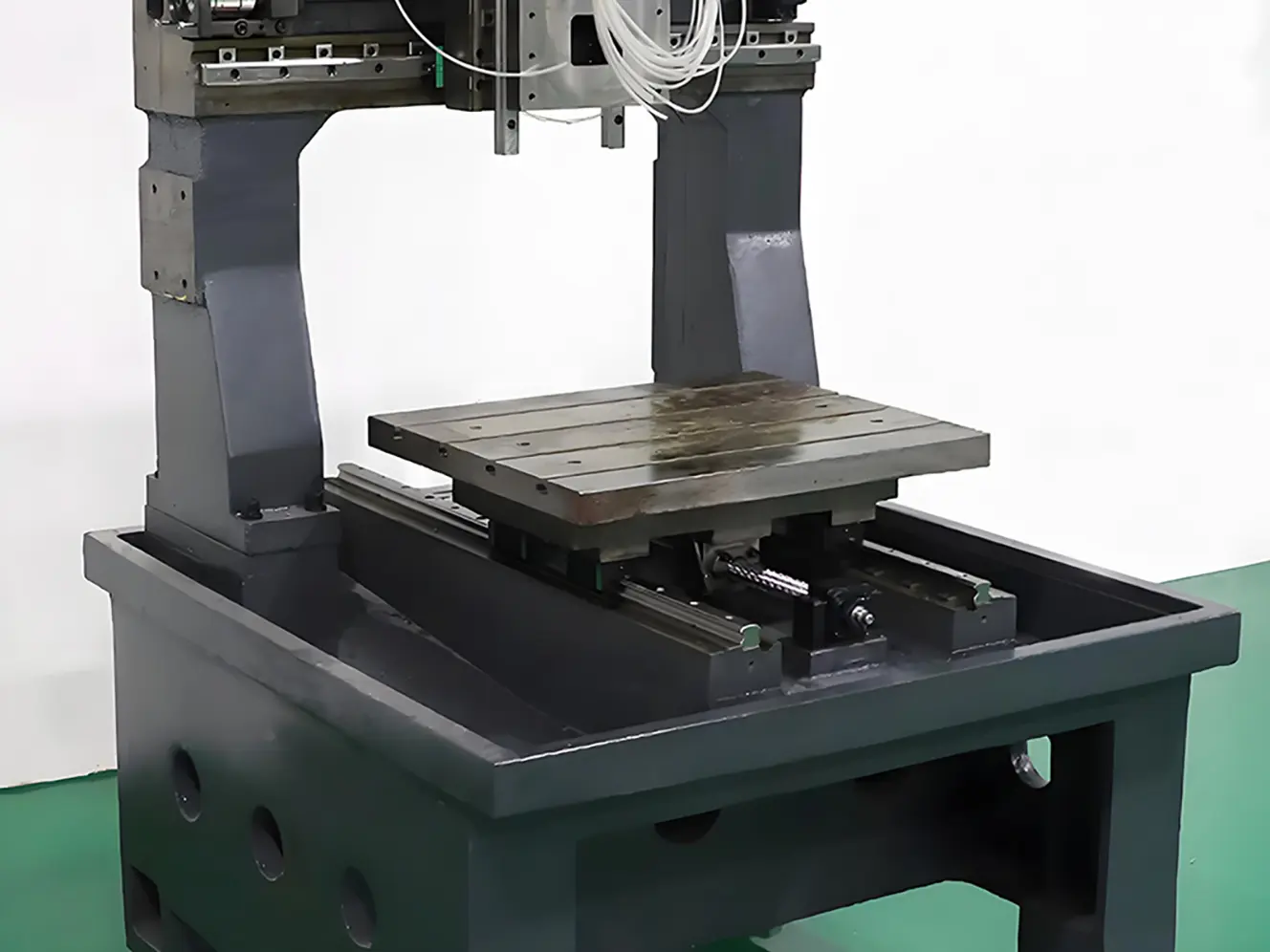
For example, a standard industrial CNC router may weigh between 1,500 and 2,500 kg, whereas a CNC milling machine of similar dimensions can weigh several times more. This weight difference directly impacts machining accuracy and cutting performance. When machining steel or aerospace-grade aluminum, even the slightest vibration can lead to dimensional errors and reduced surface quality.
2. CNC Router vs CNC Mill: Cutting Speed
If speed is your top priority, CNC routers offer a clear advantage.
In industries such as furniture manufacturing, cabinet production, and sign making, production efficiency is typically measured by the number of panels processed per day. Every minute saved during the cutting cycle directly contributes to increased profitability.
Modern CNC routers are designed for high-speed operation. Their spindle speeds typically range from 18,000 to 24,000 RPM, enabling rapid material removal while maintaining a smooth cut. Combined with fast axial movement, these machines can process large panels in a very short time.
A cabinet factory producing hundreds of parts daily is likely to prioritize output. In this scenario, the speed advantage of CNC routers becomes a significant competitive edge.
CNC milling machines employ different machining methods. While they can remove material efficiently, they must balance machining speed, precision, and cutting force. Metal cutting generates heat and stress, which must be strictly controlled to protect both the workpiece and the cutting tools.
Consequently, the feed rate and spindle speed of milling machines are typically slower than those of routers. While this increases the machining cycle time, it allows the machine to achieve the precision and surface quality required for high-value metal parts.
The key to comparison lies not in which machine operates faster, but in which machine provides the most efficient production process for a specific application. For wood and plastic processing, CNC routers typically offer higher production efficiency. For precision metal parts, however, milling machines—despite longer processing times—often deliver better overall results.
3. CNC Router vs Milling Machine: Precision and Tolerances
When evaluating a CNC router vs CNC milling machine, precision is often one of the most important factors influencing the final purchasing decision. Although both types of machines can produce repeatable parts, there are significant differences in the levels of precision they can achieve.
A modern CNC router offer sufficient precision to meet the needs of industries such as furniture manufacturing, cabinet production, sign making, and decorative woodworking. In these applications, tolerances of ±0.05 mm to ±0.1 mm are generally sufficient, as the finished products do not require high precision in mechanical fit.
For example, when producing kitchen cabinet panels or custom furniture components, slight dimensional variations are rarely noticeable and typically do not affect assembly or product performance.
However, CNC milling machines are specifically designed for applications with extremely high precision requirements. Industries such as aerospace, automotive manufacturing, mold making, and medical device production typically require micron-level precision. Milling machines achieve this precision through rigid structures, precision ball screws, high-quality guideways, and advanced spindle systems.
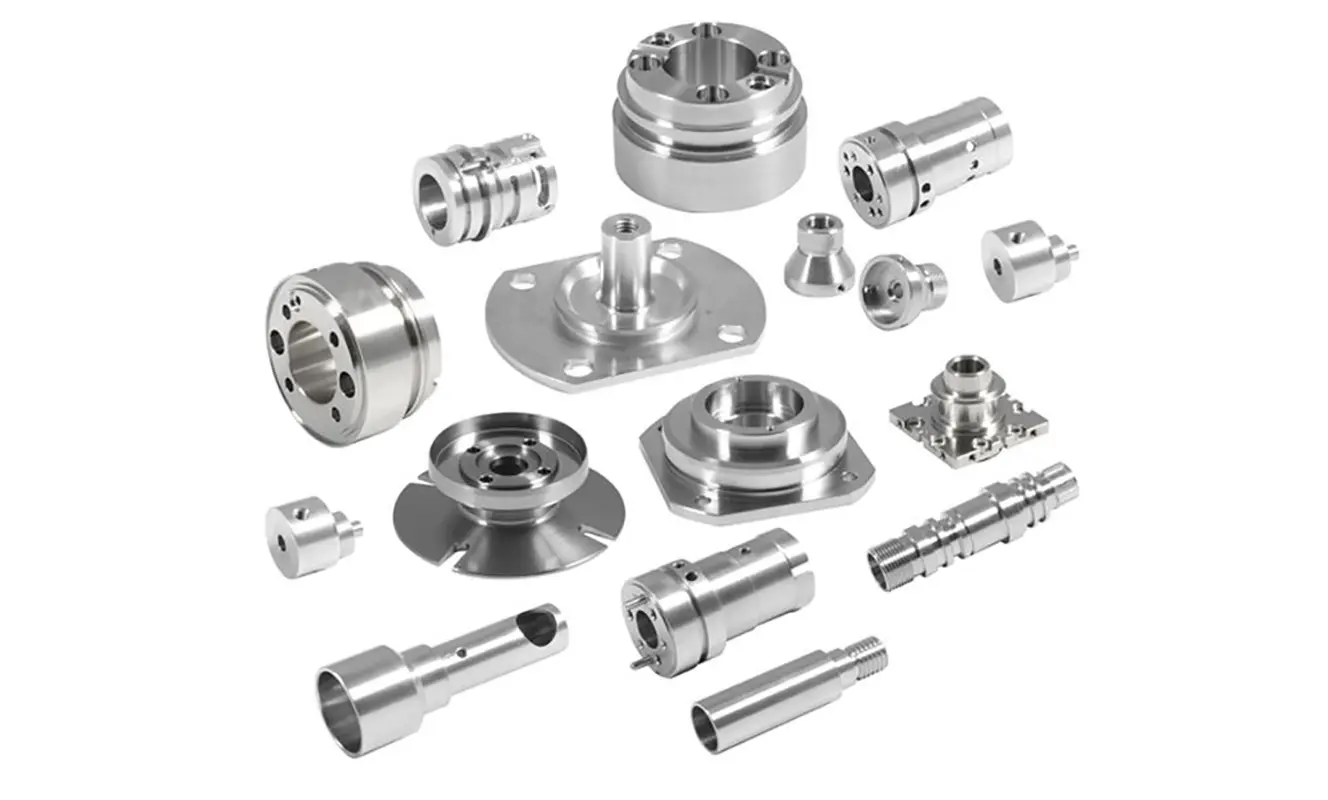
This precision is particularly critical when machining metal parts that must fit perfectly. For molds, engine components, or aerospace brackets, even slight deviations from dimensions and specifications can lead to failure.
Therefore, companies should not simply ask which machine offers higher precision, but rather determine the actual precision required for their products. For many woodworking and plastic processing applications, the precision provided by CNC routers is more than sufficient, while also delivering higher production efficiency. However, for critical metal parts, CNC metal milling machines remain the superior choice.
4. CNC Router vs CNC Mill: Tooling Differences
Another key difference between a CNC router vs CNC mill lie in the cutting tools used during the machining process.
Although both machines use rotating cutting tools, these tools are designed for very different materials and cutting conditions.
A CNC router typically use end mills optimized for high spindle speeds and rapid material removal. These tools are commonly used for wood, MDF, plywood, acrylic, PVC, foam, and composite materials. Since these materials are relatively soft, the end mills can focus on maximizing cutting speed and edge quality.
CNC metal milling machines primarily rely on end mills and other metal-cutting tools for machining. These tools are specially designed to withstand higher cutting forces and temperatures while maintaining dimensional accuracy. They are typically made of carbide or other wear-resistant materials, such as diamond, to enhance durability during metal machining.
There are also significant differences in tool clamping systems. Many industrial CNC router systems use ER collets and relatively lightweight tool holders to support rapid tool changes and high spindle speeds.
Milling machines typically employ more robust toolholder systems, such as BT30, BT40, CAT40, or HSK toolholders. These systems offer exceptional rigidity, which is critical for machining steel, stainless steel, and other hard materials.
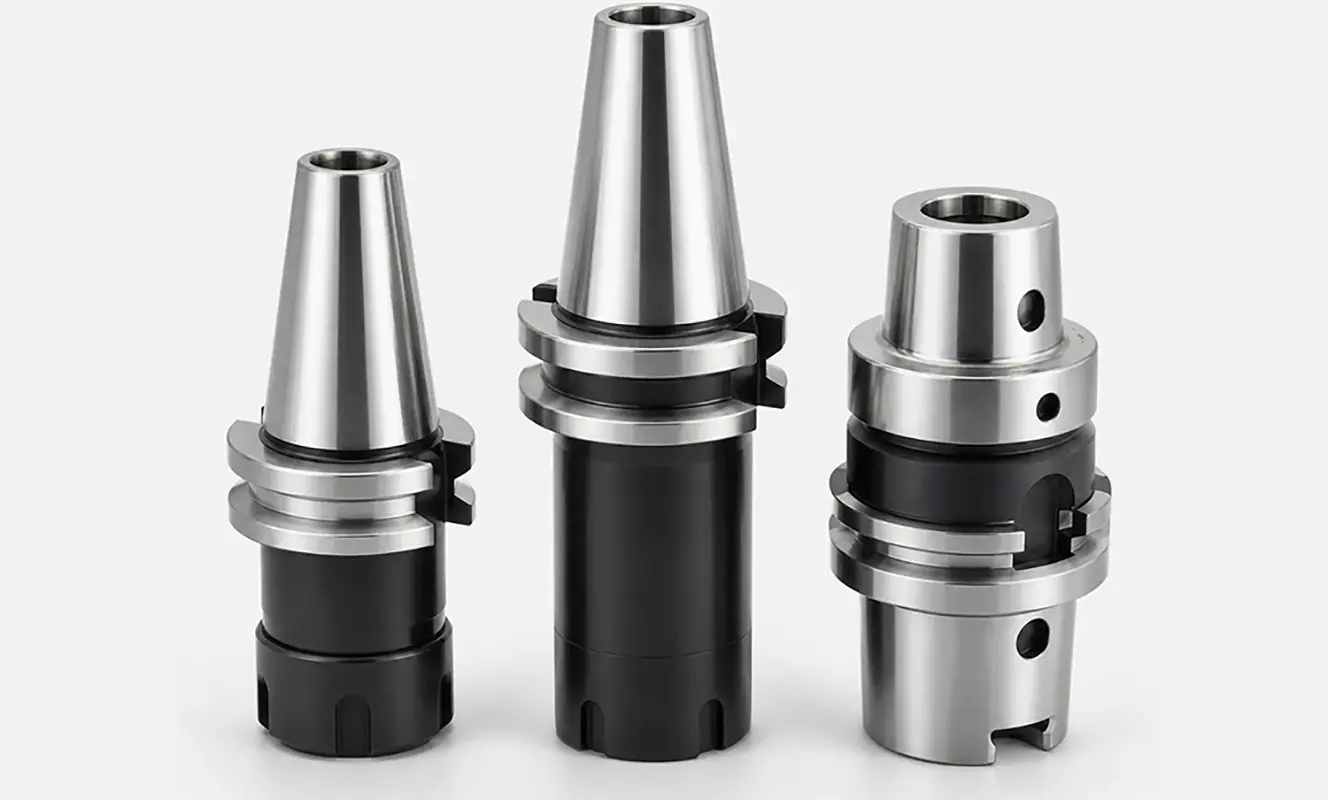
With increasing levels of automation, both routers and milling machines can be equipped with automatic tool changers. However, tool change systems on milling machines are typically designed to be more versatile, capable of handling the wide range of specialized tools required for complex metal machining.
IV.CNC Router vs CNC Milling Machine Material Capabilities
The easiest way to understand the differences between these machines is to examine the materials they process most effectively.
1. Wood and Composite Materials
For woodworking applications, the CNC router is typically the preferred solution.
Furniture manufacturers, cabinetmakers, door and window producers, and interior design firms all rely heavily on CNC routing because it combines high production speeds with excellent material utilization.
Wood, MDF, plywood, particleboard, and composite panels can all be processed quickly while maintaining clean cut edges and smooth surfaces. Large worktables allow manufacturers to efficiently process full sheets of material, thereby reducing production time and material handling.
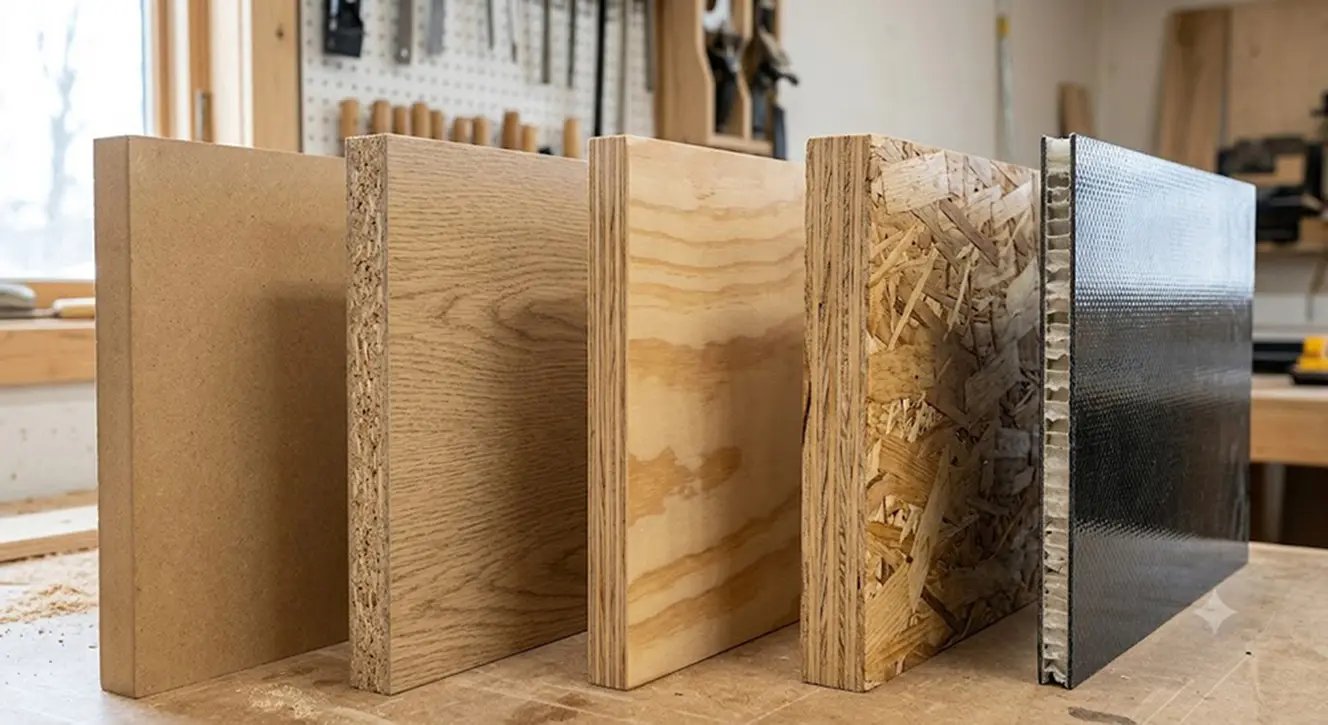
Speed, flexibility, and affordability are among the key reasons CNC routers dominate the global woodworking industry.
For most woodworking businesses, investing in a CNC milling machine would incur unnecessary costs without delivering substantial production benefits.
2. Plastics and Acrylic
Plastics and acrylic are another area where CNC router systems excel.
The industries that produce signs, display stands, exhibition booths, and advertising products frequently use engraving machines because they can process these materials at high speeds while maintaining excellent edge quality. Acrylic letters, PVC panels, decorative displays, and custom plastic components can all be efficiently machined using CNC routers.
In addition to their speed, engraving machines offer a large working area, making them particularly well-suited for processing the large-format sheets commonly used in the signage industry.
While milling machines can process plastics, they are not as cost-effective for these applications.
3. Aluminum Processing
In discussions about CNC router vs milling machine, many buyers want to know if CNC routers can successfully process aluminum materials.
A properly configured metal CNC router can process aluminum sheets, aluminum-plastic composite panels, and lightweight aluminum components. Industries such as signage, architectural component manufacturing, and custom metal furniture frequently use engraving machines for aluminum processing because they combine high precision with production efficiency.
However, compared to wood or plastic processing, aluminum processing places higher demands on machine rigidity and cutting stability.
CNC milling machines typically deliver:
- Higher dimensional accuracy
- Improved surface finish
- Greater cutting depth
- Longer tool life
- Higher machining consistency
For precision aluminum parts, CNC metal milling machines remain the preferred choice. For large aluminum sheets and general simple machining tasks, CNC metal routers may be a more economical solution.
4. Steel and Hard Metals
For steel, stainless steel, titanium, and other hard metals, the advantages of CNC milling machines are evident.
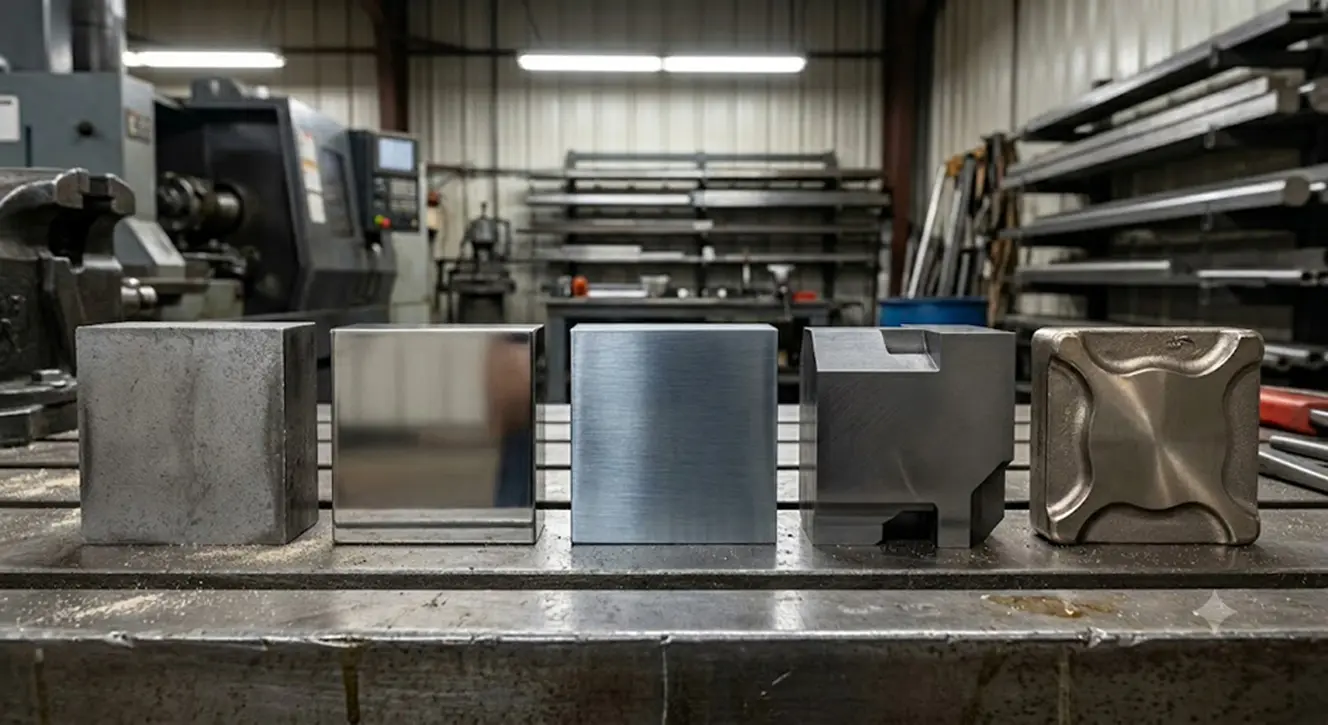
These materials generate immense cutting forces, requiring machine tools with rigid, robust structures to maintain machining accuracy. CNC milling machines are specifically designed with sturdy, durable structures that ensure stability even during demanding machining operations.
Industries such as aerospace, automotive manufacturing, mold making, and precision engineering rely primarily on CNC milling machines for machining hard metals.
V.Can a CNC Router Cut Metal?
One of the most frequently asked questions from buyers is whether a CNC router can cut metal.The answer depends on the type of metal, the machine configuration, and the required level of precision.
Modern metal CNC router models are capable of machining several non-ferrous metals effectively. With the correct spindle, tooling, and machining parameters, they can process materials such as aluminum, brass, and copper.
1. Using a CNC Metal Router
Successfully machining metal on a CNC router typically requires:
- A rigid frame
- A high-quality spindle
- An efficient cooling system
- Suitable cutting tools
- Optimized feed rates
Without these elements, machining performance may be limited.
2. When to Choose a CNC Milling Machine
If your products require extremely tight tolerances, high-quality surface finishes, or frequent machining of steel and other hard metals, a CNC milling machine typically delivers better long-term results.
- Mold manufacturing
- Aerospace components
- Automotive parts
- Precision mechanical components
- Medical devices
Although the initial investment is higher, the gains in precision and reliability usually more than offset the cost.
VI. CNC Routing vs CNC Milling: Cost Comparison
When comparing a CNC router vs CNC milling machine, cost is often one of the most important factors influencing the final purchasing decision. However, the price difference is directly related to the machine’s construction, level of precision, and intended application.
Generally speaking, CNC milling machines are significantly more expensive than CNC routers because they are designed for heavy-duty metal cutting. Milling machines require a rigid cast-iron structure, high-precision motion systems, advanced spindles, cooling systems, and more complex tooling configurations. These components increase manufacturing costs but are essential for ensuring stability and precision when machining materials such as steel, stainless steel, or titanium.
In contrast, CNC routers are primarily used for machining wood, MDF, plastics, acrylic, and composite materials. Since these materials generate lower cutting forces, engraving machines can utilize lighter gantry structures and simpler mechanical designs. This allows manufacturers to offer larger working areas at more affordable prices, making CNC routers a popular choice in the furniture manufacturing, cabinetry, and sign-making industries.
Of course, the final price depends on the configuration, spindle power, level of automation, and machine size.
In addition to the initial investment, there are differences in operating costs. Milling machines typically require higher tooling costs, more maintenance, and additional equipment such as coolant management systems. CNC routers have lower operating costs and are particularly well-suited for high-volume woodworking and plastic processing.
In terms of value, the right choice depends on your specific application. For businesses focused on sheet material processing and the mass production of non-metallic materials, CNC routers offer an excellent return on investment. While CNC milling machines are more expensive, they offer higher precision and are essential for industries requiring tight tolerances and metalworking capabilities.
VII. How to Choose a CNC Router and a CNC Milling Machine
Choosing the right machine ultimately depends on your materials, products, production volume, and business goals.
1. A CNC router may be the best choice if the following conditions apply:
- You primarily process wood, MDF, plywood, acrylic, PVC, or composite materials.
- You require high production speeds.
- You frequently process large sheets and panels.
- You have a limited budget.
- You produce furniture, cabinets, signs, or decorative items.
- A quick return on investment is a top priority.
For these applications, a CNC router machine can deliver excellent production efficiency at a relatively low cost.
2. CNC milling machines are typically the better choice if the following conditions apply:
- You primarily machine aluminum, steel, stainless steel, or titanium.
- Your products have very tight tolerance requirements.
- You manufacture molds or precision parts.
- Surface finish is critical.
- Precision industries such as aerospace, automotive, or medical.
- Emphasis on long-term machining accuracy.
Although the initial investment is higher, the performance gains often offset the cost.
VIII.FAQ
1. What are some common misconceptions buyers have when selecting CNC machine?
One of the most common mistakes is choosing a machine based solely on price. While low-cost machines may seem attractive at first glance, they can end up costing more over time if they fail to meet production requirements, maintain precision, or support future growth.
2. Is it better to buy directly from the manufacturer or from a local dealer?
Both options have their advantages. Buying directly from the manufacturer typically offers better pricing and customized services, while local dealers may provide faster after-sales service, installation support, and a more reliable supply of spare parts. Buyers should evaluate both the machine itself and the level of after-sales support.
3. How long do CNC routers typically last?
A well-maintained CNC router machine can operate for 8 to 15 years or even longer, depending on the machine’s quality, workload, and maintenance. Key components such as the spindle, guide rails, and vacuum system may require periodic replacement, but the machine frame itself can remain highly efficient for many years.
4. Which machine is easier for beginners to learn?
For most users, CNC routers are easier to learn and operate. Routing machines are typically used to process materials such as wood, plastic, and sheet materials, which have a lower margin for error during processing. CNC milling machines, on the other hand, usually require a deeper understanding of cutting tools, feed rates, cooling systems, and metal-cutting techniques.
IX. Conclusion
When comparing CNC Router vs CNC Milling Machine, there is no clear-cut winner. Each machine is designed to meet specific manufacturing needs. Before making a purchase, carefully consider the materials you will be machining, the level of precision required, and the products you plan to manufacture. In most cases, evaluating these factors will quickly determine whether a CNC router or a CNC milling machine is the right choice for your business.
RELATED MODELS
We recommend some related models for you...
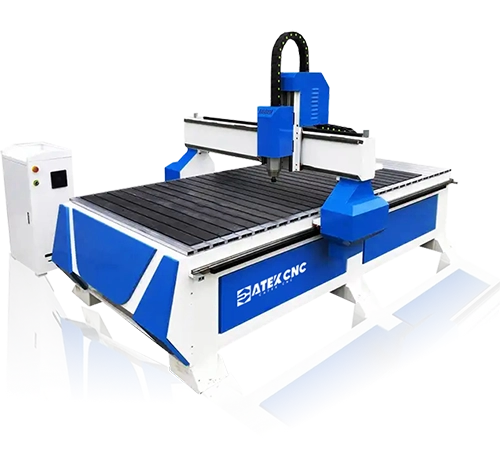
The CK-1325 is a standard-sized CNC router featuring simple operation and affordable pricing, making it ideal for small furniture manufacturing workshops, personal studios, and hobbyists. It is widely used for various processing techniques on solid wood, plywood, and MDF materials, including engraving, cutting, milling, drilling, and grooving of wave boards, doors/windows, cabinets, tables/chairs, and signage letters.
$2,570.00~$5,370.00
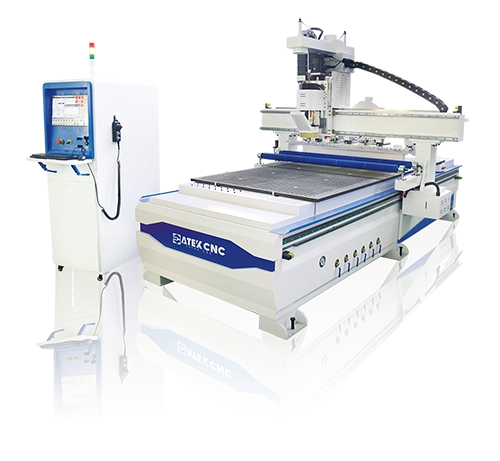
CNC routers equipped with automatic tool changers are referred to as CNC ATC routers. This machine features a linear 8/12/16-position tool magazine that automatically switches tools based on machining requirements. It comes standard with a vacuum adsorption table and automatic tool setting device, making it particularly suitable for processing tasks such as nesting, cutting, drilling, grooving, engraving, and milling of wardrobes, cabinets, and office furniture.
$8,285.00~$9,700.00
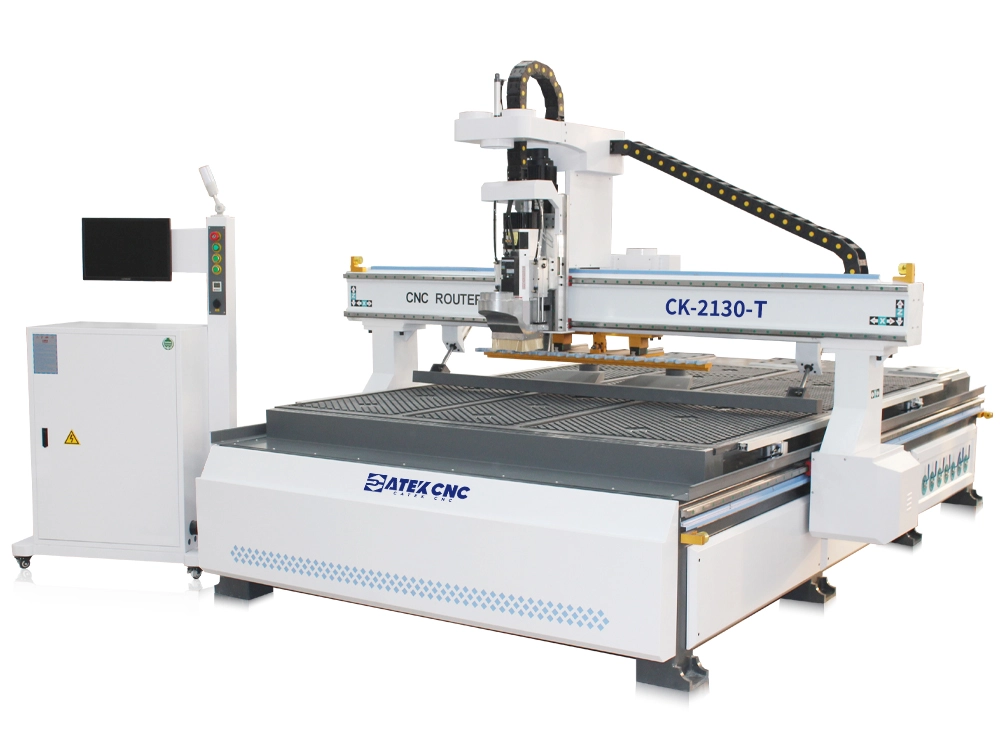
The 7x10ft ATC CNC router is a machine equipped with an oversized worktable, featuring a maximum processing size of 2100*3000mm. Capable of handling full-size panels, it comes standard with a vacuum adsorption worktable, HSD automatic tool-changing spindle, and linear tool magazine to meet diverse panel processing requirements across various dimensions.
$11,800.00~$16,800.00
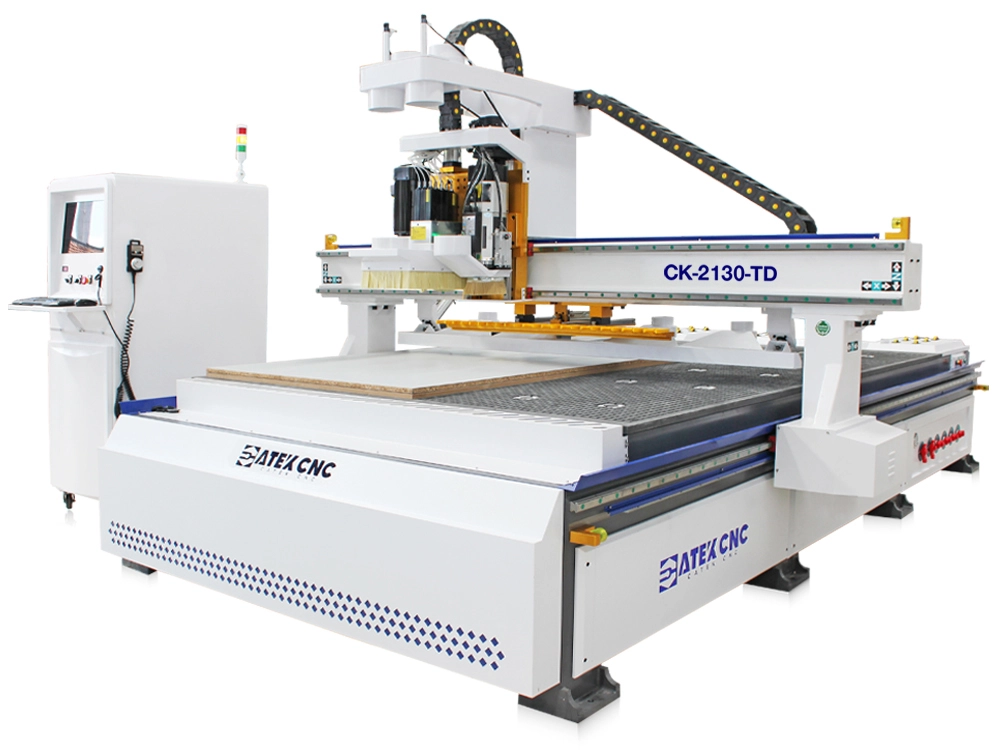
This machine is a 7×10ft ATC CNC wood router machine equipped with a 9+8 pneumatic drilling bank, featuring a linear tool magazine with 12-tool capacity. Combined with the 9KW HQD ATC spindle and automatic tool setting device, it can automatically change tools on demand during processing, while automatically measuring tool tip position and performing compensation. The inclusion of the 9+8 pneumatic drilling bank (with 9 vertical drills and 8 horizontal drills) provides powerful drilling capabil...
$13,800.00~$19,800.00
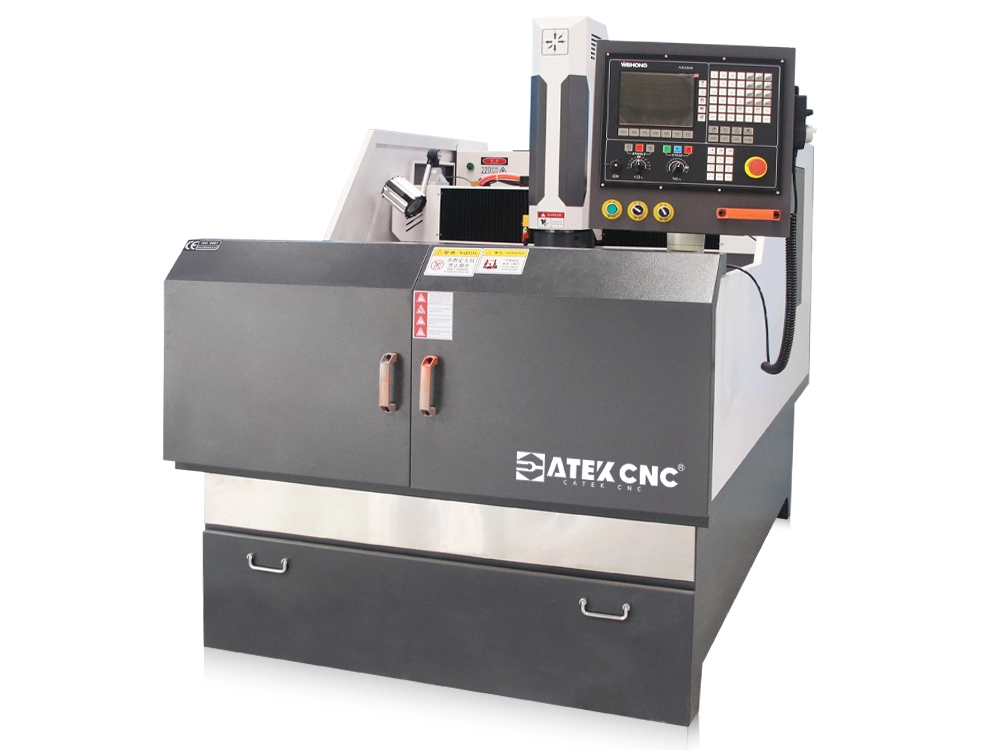
This is a CNC metal milling machine with a maximum machining dimension of 600*900*250mm. The machine features an automatic tool-changing function, equipped with a compact linear tool magazine capable of holding five tools and an automatic tool-setting function, enabling on-demand automatic tool changes during machining. The cooling system adopts an flood coolant, automatically spraying coolant onto the machining area to reduce tool and workpiece temperatures. In terms of appearance, the machine ...
$5,680.00~$7,570.00
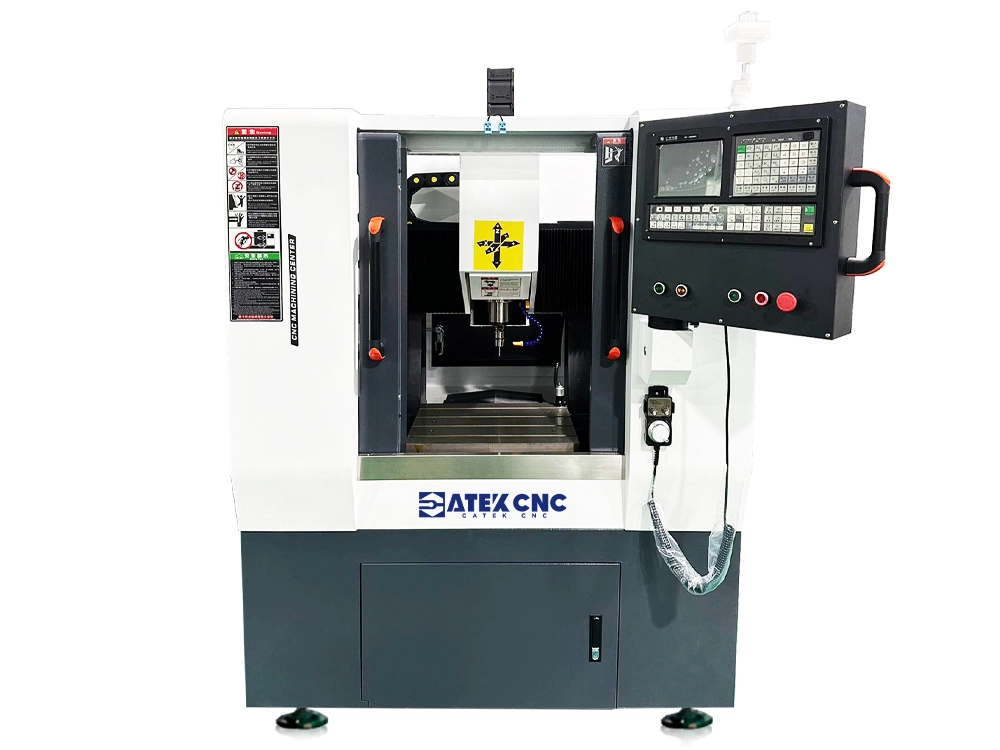
This is a vertical CNC milling machine used for metal milling. It is equipped with a fully enclosed shell, a fully automatic cutting fluid spraying and filtering system, a lubrication system, an automatic tool changer, an automatic tool setting device, etc. It is inexpensive and can be used for processing various metal parts.
$9,700.00~$14,000.00
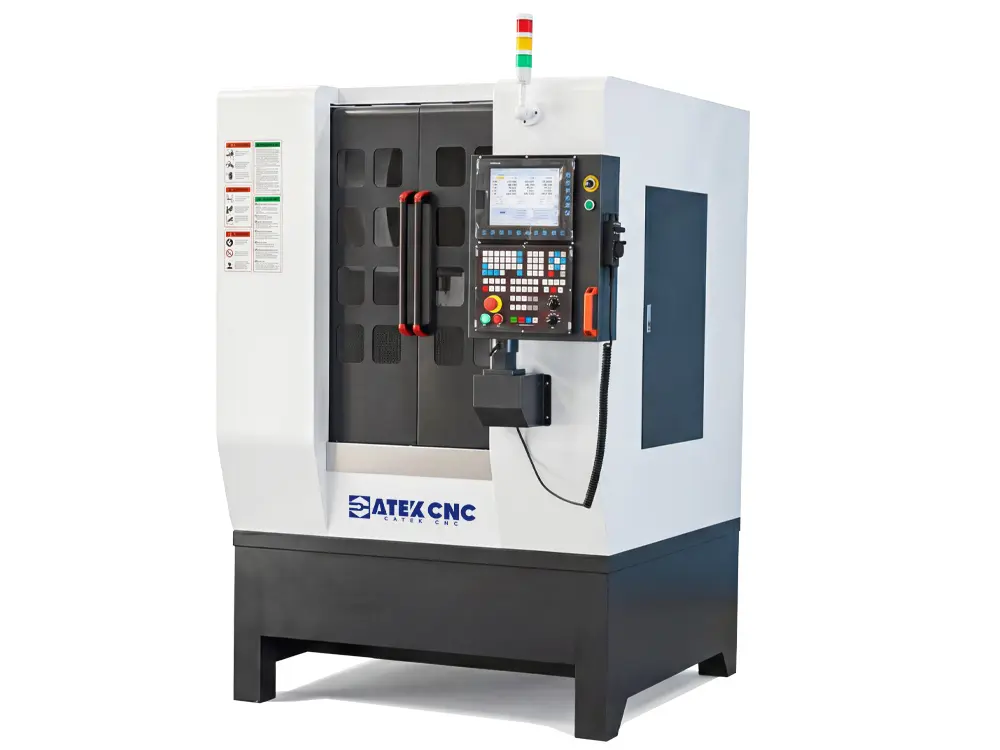
This is a 5-axis CNC metal milling machine designed with a trunnion-type (cradle-type) 5-axis configuration, where the three linear axes work in coordination with the A-axis and C-axis to enable machining from any angle on all faces of a workpiece. Equipped with an infrared touch probe, the machine rapidly performs workpiece positioning, and machining accuracy verification, ensuring machining precision and efficiency. It also comes with an automatic tool changer (ATC) kit, which allows on-demand...
$16,800.00~$27,800.00