


{{goods.model}}
Why Does the Same Industrial CNC Wood Router Produce Such Different Machining Quality?

Industrial CNC wood routers are widely used, covering nearly all industries that require precision machining. In woodworking production, they are commonly used for batch production of office furniture, cabinet doors, wall panels, and decorative carvings. In the sign-making industry, they can simultaneously cut and engrave materials such as MDF, acrylic, and PVC to produce lettering, logos, and decorative panels. In the model and mold manufacturing sector, they are used to make various wooden molds. These machines are also applied in musical instrument manufacturing, handicraft production, and architectural decoration.
Because of their wide range of applications, many factories equip themselves with multiple industrial CNC routers for mass production. However, during actual processing, you may notice that even the same model and brand of industrial CNC wood router can produce finished products of varying quality. Why does this happen? How can this problem be solved? Many manufacturers have likely had these questions. This article combines the professional expertise of CNC router manufacturers with real-world workshop processing conditions to explore the underlying causes and provide you with solutions.
I. Inconsistent accuracy among multiple Industrial CNC routers of the same model
In sign-making factories and panel furniture workshops that handle mass production, there are typically multiple Industrial CNC wood routers of the same model running simultaneously. The machines are shipped with the same factory precision, but after two or three years of use, each machine experiences different levels of wear and calibration status. Some receive regular maintenance, while others do not. With different accuracy conditions, the quality of finished products will naturally vary.
1. Different degrees of wear on the transmission system
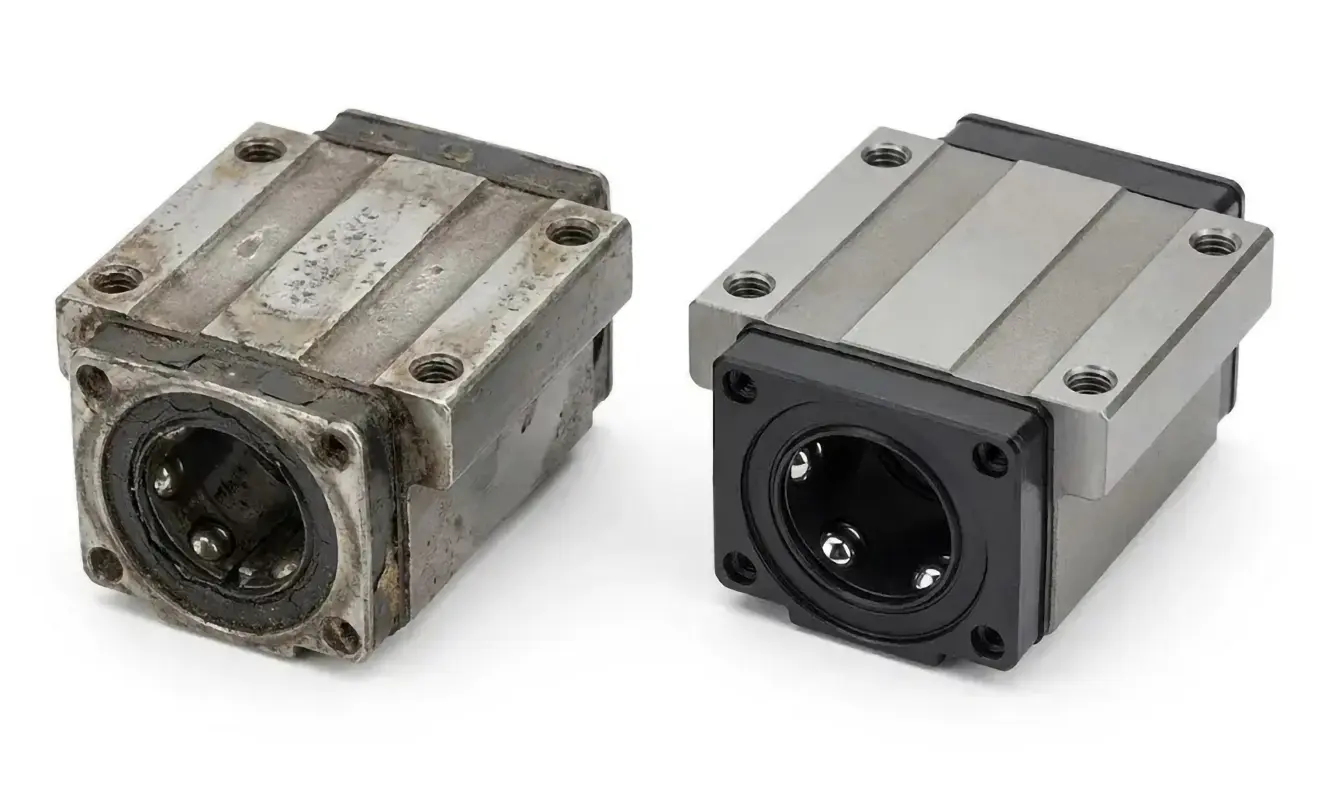
As the machines are used over time, the same cutting instructions produce different levels of surface smoothness on the cut edges. This is due to wear on transmission components. When wear levels differ, the feedback errors generated by the machine's transmission system become magnified. For example, varying wear on guide rails, ball screws, and gears leads to motion deviations, resulting in different machining accuracy.
2. Inconsistent spindle operating conditions
The CNC spindle is the core component of the machine tool. Its operating condition directly affects the efficiency and precision of CNC machining. This is especially true in the sign-making industry and fine CNC router MDF cutting applications, where even slight spindle vibration can cause chipping on the board surface. However, since each machine has different operating hours and cutting load intensities, spindle conditions also vary. Even if the machine models and machining parameters are identical, after prolonged high-speed operation, the degree of spindle accuracy degradation will differ, ultimately affecting cutting stability and surface quality. For factories, this means secondary sanding of workpieces, reduced production efficiency, and increased costs.
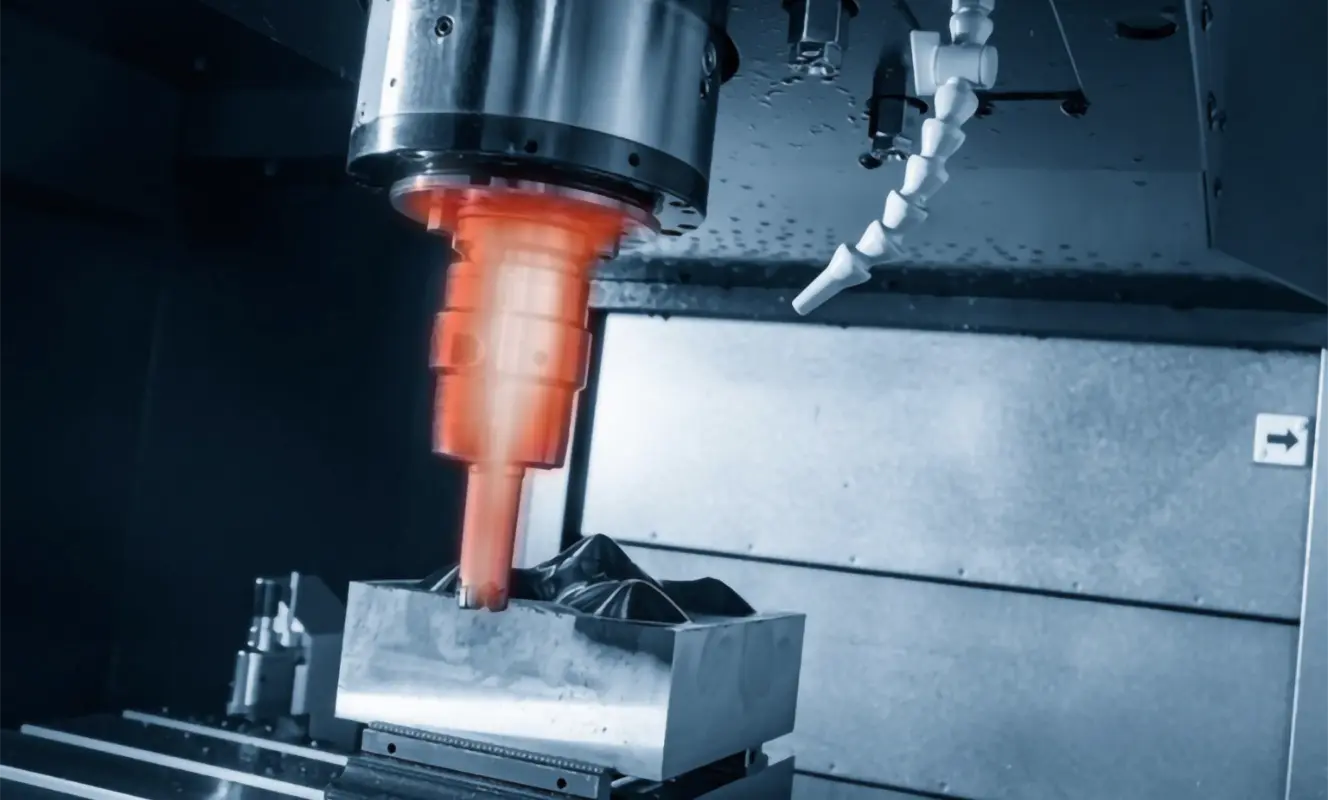
3. Differences in workpiece clamping stability
In CNC machining, workpiece clamping is often treated as a secondary procedure by many factories, with insufficient attention paid to clamping methods and stability. In reality, ensuring that workpieces are securely fixed to the machine table directly determines machining accuracy, production safety, and surface quality. Unstable clamping can cause workpieces to shift, vibrate, or even fly out under cutting forces, significantly increasing rework rates and material scrap rates, while also accelerating equipment damage and creating serious safety hazards.
After long-term use, table wear, seal aging, and vacuum hole blockage vary from machine to machine, resulting in noticeable differences in clamping firmness across devices. Even if the machine parameters, tools, and boards are identical, differences in fixture stability can lead to inconsistent machining quality among the same model of equipment.
4. Whether regular precision calibration is performed
Experienced factories perform regular laser calibration and backlash compensation, while many other factories neglect post-maintenance calibration. These differences in maintenance frequency accumulate over time into significant quality discrepancies.
Many people believe that as long as the machine models are the same, machining accuracy is guaranteed, overlooking the machine's inherent accuracy stability, wear condition, and maintenance status. For the same CNC wood router, one machine that undergoes regular precision calibration and another that runs under heavy load for extended periods without timely accuracy compensation—even with identical hardware configurations—will produce minor deviations during machining. This is also a key reason for inconsistent quality in furniture CNC router and sign-making industrial CNC router mass production.

II. Inaccurate tool precision
In the industrial CNC wood router processing system, cutting tools are critical components that directly determine machining accuracy, surface finish, and dimensional stability. When tool parameters for an industrial router machine are not standardized, accuracy deviations from different processes will accumulate and compound during complex machining operations requiring multiple tool changes, severely compromising the overall quality of the finished panel.
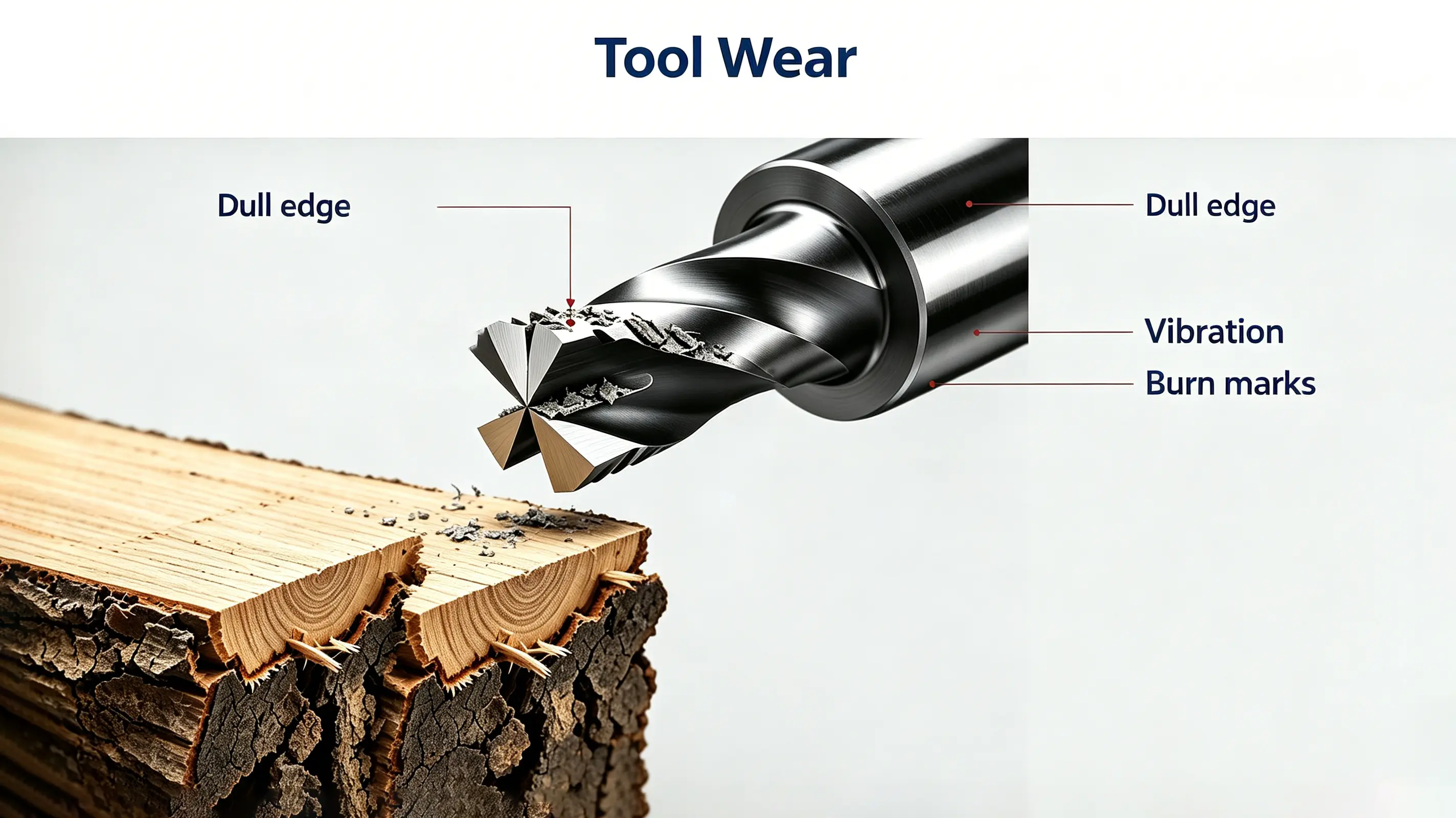
- Tool dulling: After prolonged cutting, tools become dull. This significantly increases cutting resistance and vibration, resulting in rough edges, burning, and fiber tearing on the workpiece surface, leading to poor surface finish.
- Parameter compensation errors: This is the most easily overlooked issue on the shop floor. After replacing a tool, if the diameter compensation parameters are not updated or are set incorrectly, the actual tool diameter will not match the programmed parameters. This can cause problems such as excessive or insufficient cutting depth, resulting in batches of workpieces failing to meet size requirements.
III. Inconsistent material batches
CNC industrial routers are compatible with a wide range of materials including MDF, PVC, acrylic, plywood, and solid wood. However, each type of material has different density, moisture content, and resin content, making standardization difficult. Whether it is an industrial CNC wood router or a specialized CNC router for cabinet making, all face the same challenges when processing different batches of materials.
For example, when MDF has a higher moisture content, the board fibers become more flexible, cutting resistance increases, tool wear accelerates, and the heat generated during cutting can melt the resin glue inside the board, leading to tool dulling.
Even with the same nesting CNC router, spindle speed, and feed rate, when making cabinets with a CNC router, switching to a different batch of MDF from a different supplier can produce noticeably different edge quality. If the processing parameters from the previous batch are reused, surface quality will inevitably vary.
IV. Inconsistent operating standards
Different operators may set different parameters for feed rate, depth of cut, and other variables, resulting in completely different machining outcomes.
- Blindly increasing feed rate: In an effort to boost production, some operators recklessly raise the feed rate. This causes insufficient cutting, increased vibration, and easily leads to edge chipping and deformation. It not only reduces machining accuracy but also accelerates tool wear, significantly shortening tool life and causing a continuous decline in machining stability.
- Excessive depth of cut: If the depth of cut is too large, tool load increases substantially, causing machine resonance and tool deflection. This ultimately results in uneven grooves, inaccurate hole sizes, and uneven flat surfaces. Beyond scrapping workpieces, this severely damages the machine's accuracy and raises production costs.
Even with identical hardware configurations, if operating standards such as feed rate, depth of cut, and spindle speed are not unified, final products will show significant differences in dimensional accuracy, surface finish, and edge quality, severely impacting mass production stability. This is especially critical for more automated industrial ATC CNC router machines with four spindles—without standardized parameters during complex machining processes, large batches of finished products will suffer inconsistent dimensions, eroding factory profits.
V. How to avoid quality inconsistency when using industrial CNC wood routers?
1. Regular equipment maintenance and calibration
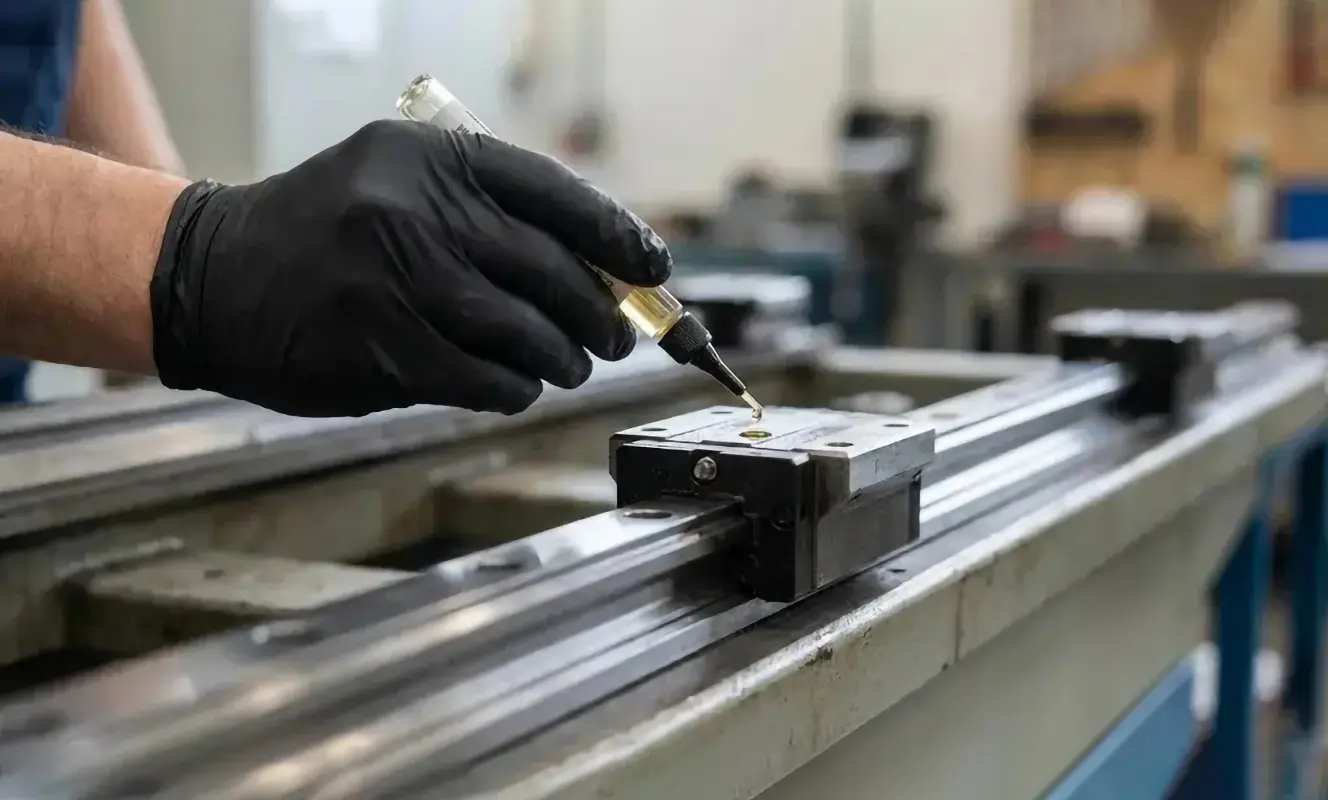
Regularly lubricate transmission components, check spindle condition, and calibrate backlash to ensure machine accuracy.
2. Tool management
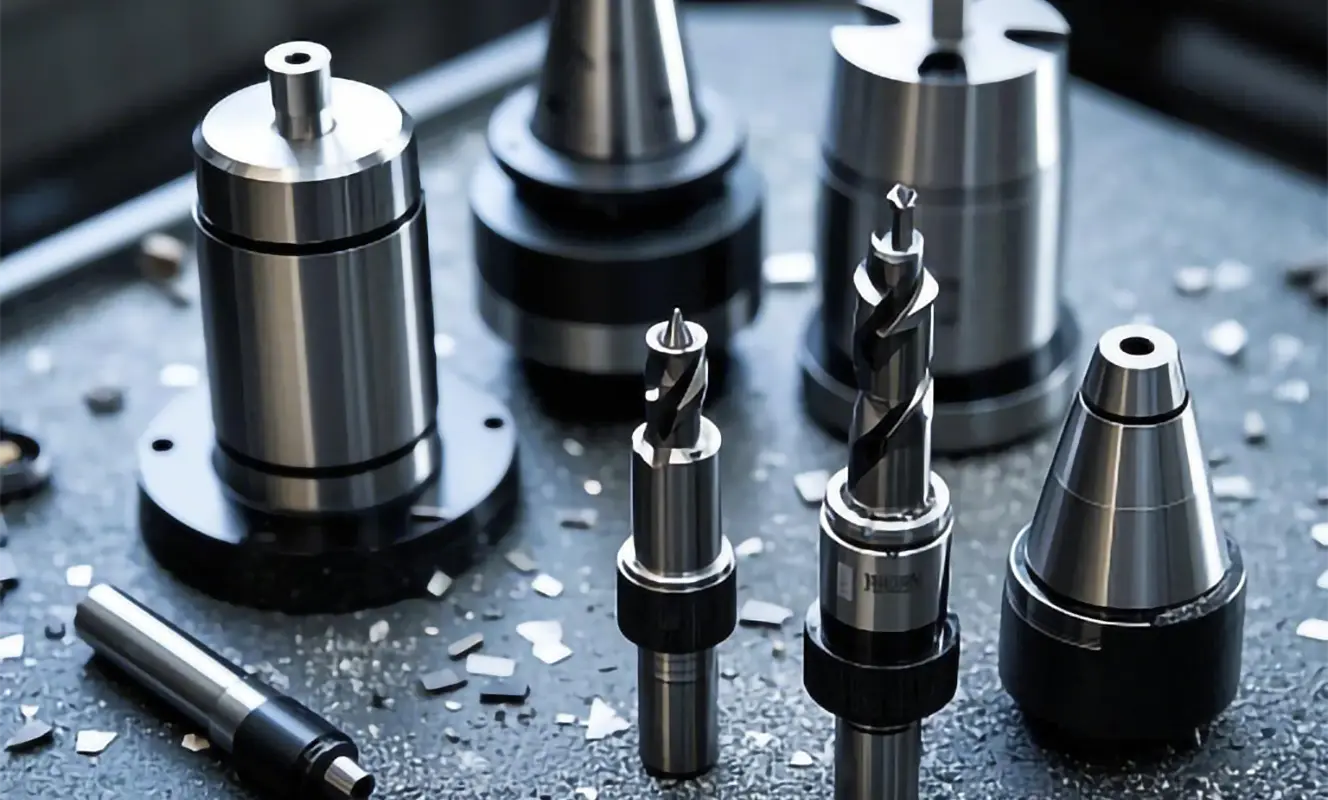
Excessively high spindle speeds increase heat generation and tool wear, while excessively low speeds create excessive friction and stress. Use high-precision tools and replace worn tools promptly. In daily machining, ensure that the spindle speed matches the tool's recommended speed to extend tool life. If you wish to increase production efficiency by raising the spindle speed, you must correspondingly increase the feed rate to prevent tool overheating, which can cause burning and edge chipping, thereby extending both tool and machine service life.
3. Adopt different strategies for different materials
Different types of wood require different machining strategies. High-density, high-hardness woods typically yield better machining quality but also require more precise parameter control. Tool selection should be adjusted according to the specific wood species. For example, wood with high moisture content generally accelerates tool wear. When each batch of material arrives at the warehouse, record its density and moisture content. When switching materials, do not rush into full production—first cut a test piece to verify whether the parameters are still suitable, and only proceed with mass production once confirmed.
| Material Type | Core Challenges | Key Machining Strategies | Recommended Tool Types |
|---|---|---|---|
| MDF | Prone to moisture absorption and softening; high temperatures melt internal resin, affecting tool life | Layered cutting; focus on chip removal and heat dissipation to prevent heat buildup | Compression router bits |
| High-hardness solid wood | Dense grain structure; cutting against the grain easily causes chipping | Cut along the grain direction; plan toolpaths to avoid grain conflicts | Spiral flat-bottom router bits |
| Acrylic/PVC | Heat-sensitive; prone to melting and sticking to the tool under heat | High-speed rapid feed; avoid tool dwell time at any position | Single-flute mirror-finish polishing bits |
4. Strengthen workpiece clamping stability
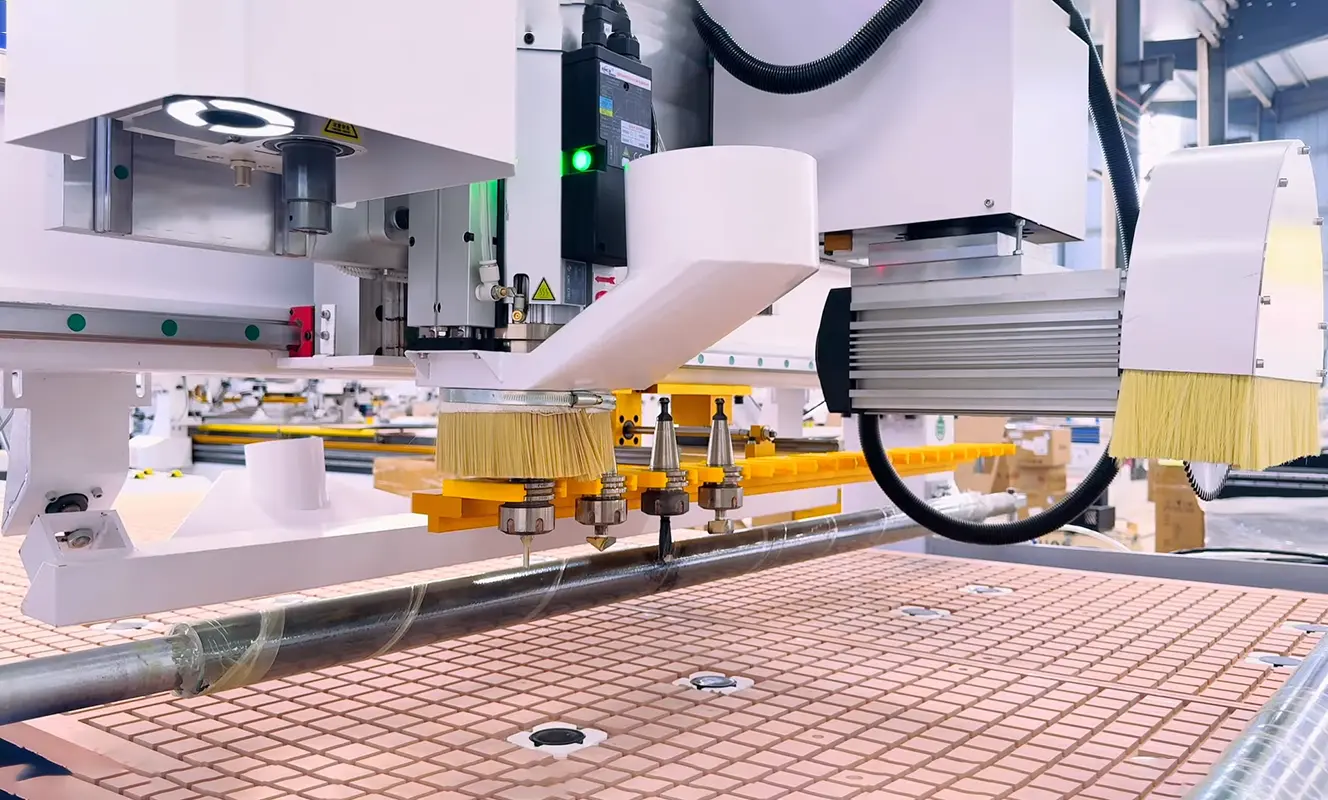
- Large panel machining: For large-format panels used in the furniture industry, a vacuum suction table is recommended for handling and securing oversized workpieces, ensuring uniform adsorption and reliable fixation.
- Small panels and complex-shaped parts: For industries such as sign-making, musical instrument manufacturing, precision molds, and handicrafts—where workpieces are typically small and intricately shaped—dedicated mechanical fixtures are recommended for clamping. Standardize the clamping position and pressure across all fixtures to prevent quality variations caused by loosening from the outset.
- Seal maintenance: Seals are critical to maintaining suction force. If a drop in holding power is observed, inspect the seals for aging and ensure the table vacuum level remains consistently high and stable.
5. Standardize operating procedures
To thoroughly eliminate quality deviations caused by human factors, the core lies in standardizing workshop operating procedures, solidifying tool setup and cutting process protocols, and properly configuring cutting parameters.
- Standardize tool setup procedures: Before machining, tools must be assembled and calibrated uniformly. After tool changes, verify and promptly update the tool diameter compensation values.
- Scientifically configure cutting parameters: Control feed rate and optimize spindle speed. In daily production, cutting parameters must be reasonably set based on different materials—unifying feed rate, spindle speed, depth of cut, and other variables to standardize machining operations and prevent human factors from directly eroding factory capacity and profits.
Ⅵ.FAQ
Q1: The new equipment was very accurate when first purchased. Why does it start deviating after just six months?
When new equipment leaves the factory, accuracy is uniform. Over time, natural wear occurs on guide rails, ball screws, spindles, and other components. Combined with a lack of regular calibration and compensation, this leads to issues like rough edges and dimensional deviations. This is a natural decline in equipment accuracy, not a machine malfunction.
Q2: Why does the same CNC router machine produce significantly different quality when processing different types of wood?
Wood is a natural biological material, and different tree species vary significantly in density, hardness, and grain structure. Studies have shown that wood with higher density and hardness and finer grain texture tends to yield better carving quality under the same machining conditions.
Q3: To improve machining consistency, should I prioritize adjusting parameters or maintaining the equipment?
Prioritize CNC router accuracy calibration and maintenance. Parameter optimization can only fine-tune machining results, while transmission backlash and spindle runout are structural precision issues that must be addressed at the equipment level.
Q4: When machining MDF, it always burns and sticks to the tool—is it a machine problem or a parameter problem?
It is mostly a matter of improper parameter settings or poor chip evacuation. Excessive spindle speed, slow feed rate, and tool wear can all cause heat to build up and burn the board. Replacing with a single-flute or compression router bit, increasing the feed rate, and improving dust extraction usually yield significant improvement.
Ⅶ.Conclusion
The significant quality differences seen with the same industrial CNC wood router are mostly not due to the machine itself, but rather to inadequate daily maintenance, poor tool management, inconsistent material batches, and non-uniform operating parameters.
Many manufacturers focus only on the machine's factory-delivered accuracy, while neglecting post-maintenance calibration, tool replacement, material adaptation, and standardized operations. As a result, even the best machines produce unstable output, high scrap rates, and eroded profits.
To achieve stable quality, there is no need to blindly replace equipment. By implementing regular maintenance and calibration, unifying tool management, adjusting parameters according to materials, and solidifying operating standards, you can ensure consistent machining results across multiple machines, reduce waste, and improve efficiency.
RELATED MODELS
We recommend some related models for you...
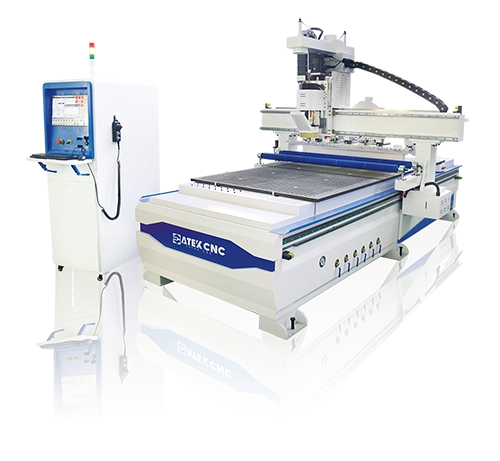
CNC routers equipped with automatic tool changers are referred to as CNC ATC routers. This machine features a linear 8/12/16-position tool magazine that automatically switches tools based on machining requirements. It comes standard with a vacuum adsorption table and automatic tool setting device, making it particularly suitable for processing tasks such as nesting, cutting, drilling, grooving, engraving, and milling of wardrobes, cabinets, and office furniture.
$8,285.00~$9,700.00
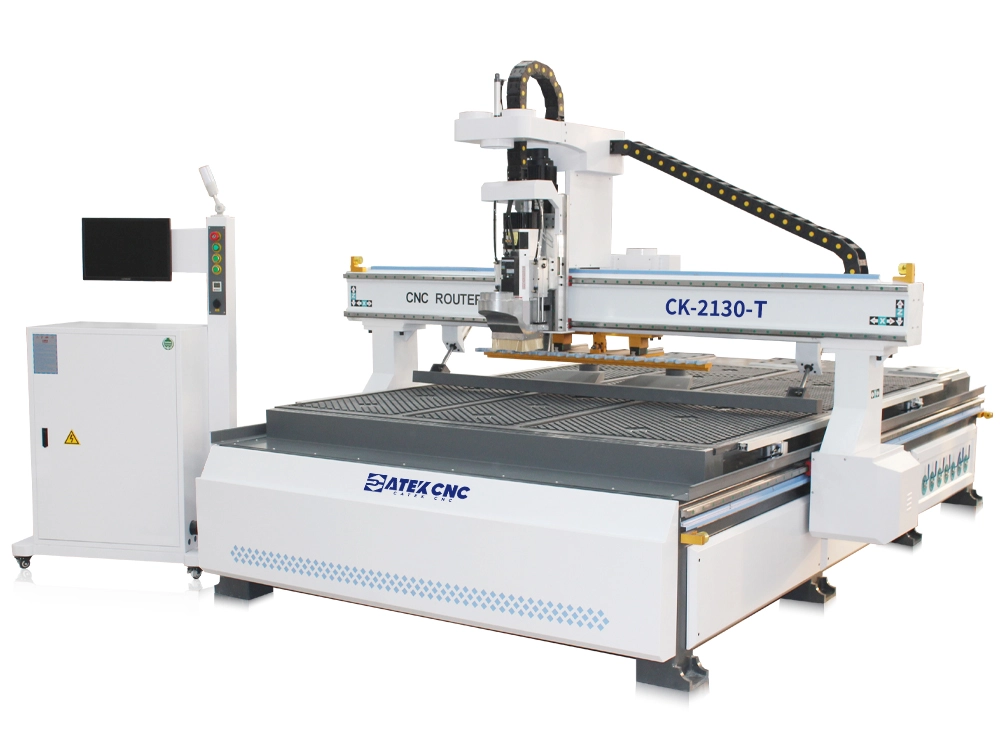
The 7x10ft ATC CNC router is a machine equipped with an oversized worktable, featuring a maximum processing size of 2100*3000mm. Capable of handling full-size panels, it comes standard with a vacuum adsorption worktable, HSD automatic tool-changing spindle, and linear tool magazine to meet diverse panel processing requirements across various dimensions.
$11,800.00~$16,800.00
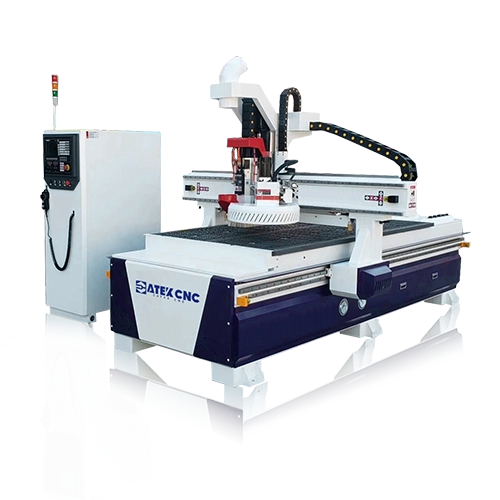
This CNC nesting machine is specifically developed for whole-house customized panel furniture production. It incorporates all functionalities of a linear ATC CNC router and is equipped with a 5+4 pneumatic drilling bank that can mount 9 different drill bits simultaneously, capable of completing 99% of drilling tasks, making it particularly suitable for manufacturing panel furniture like wardrobes and cabinets. Additionally, it features a 3D rotary fourth axis for processing 3D products such as E...
$13,800.00~$17,500.00
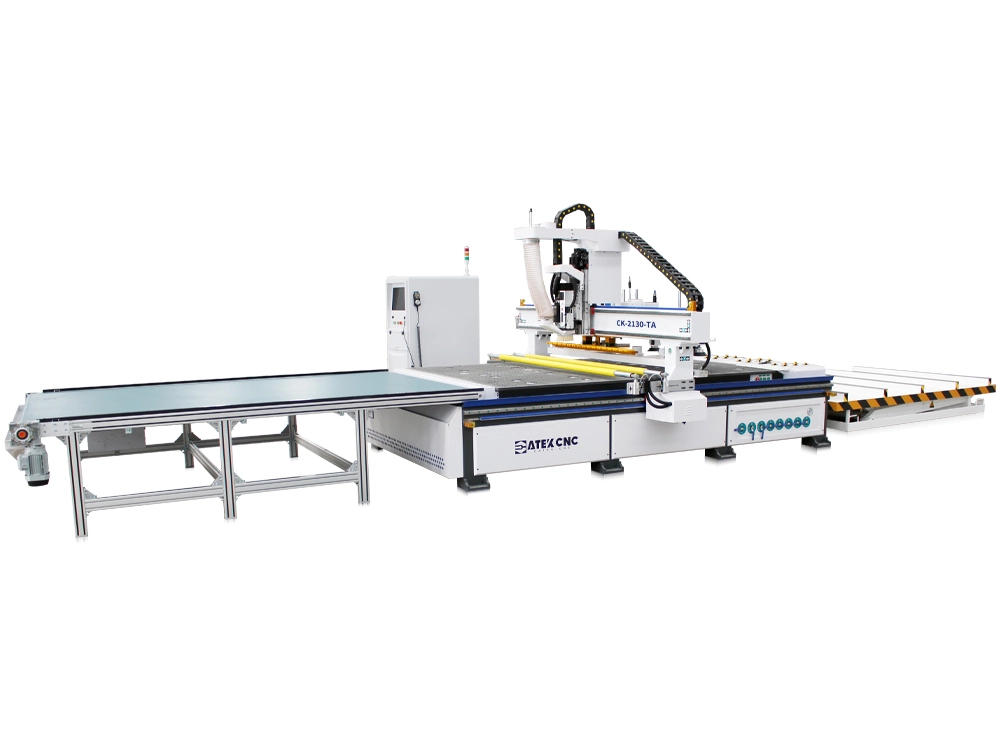
This router is equipped with a large-sized workbench, with a maximum processing size of 2100*3000mm (7x10 feet). It comes standard with a 9-zone 30-hole vacuum adsorption workbench, an HSD automatic tool change spindle, a linear tool change magazine, two pneumatic pressure roller, and a fully automatic loading and unloading platform, capable of meeting the fully automated processing needs of large-sized panels.
$14,800.00~$19,800.00
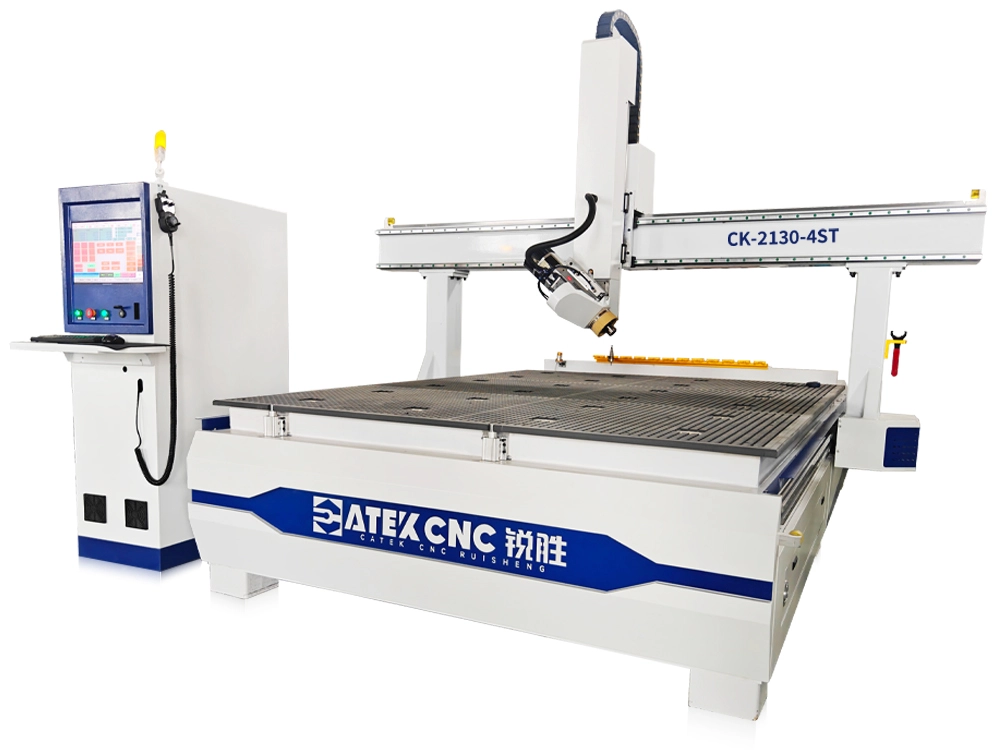
This is a typical four-axis CNC router, which adds a rotary device to the traditional three-axis router. This device allows the spindle to rotate ±90 degrees around its top endpoint on the X-Z plane, enabling the spindle to perform tilt machining on the workpiece. Combined with the movement of the Z-axis, the spindle can follow curved paths, making it capable of machining curved surfaces. When rotated to the maximum 90 degrees (spindle horizontal), it can drill or mill the sides of the workpiec...
$11,600.00~$15,900.00