


{{goods.model}}
How to Extend CNC Router Tool Life?

In CNC engraving, cutting tools are critical components for achieving precise cutting and fine carving—especially in industries such as furniture manufacturing and sign making, where tool condition directly affects the stability of the machining process and the quality of the final product. Extending the service life of cutting tools is a practical technique in CNC machining for improving production efficiency and maintaining machining accuracy. Every tool has a finite service life, but that life is not fixed—by mastering the right techniques, you can maximize tool longevity and ensure that CNC engraving machine tools perform at their best.
This article provides a detailed introduction to the mainstream types of tools used in CNC engraving, the signs of tool wear, the factors that affect tool life, and practical tips for extending tool life—helping you reduce unnecessary tool change costs in your daily CNC engraving operations.
Ⅰ. Types of CNC Engraving Machine Tools
To effectively extend tool life, the first step is to understand the types of tools used in CNC engraving processes. Different tool types vary significantly in their structural characteristics and application scenarios. In the field of CNC engraving, end mills, ball nose cutters, V-groove bits, and compression bits are the most widely used mainstream tools, with a rich variety of applications.
1. End Mills
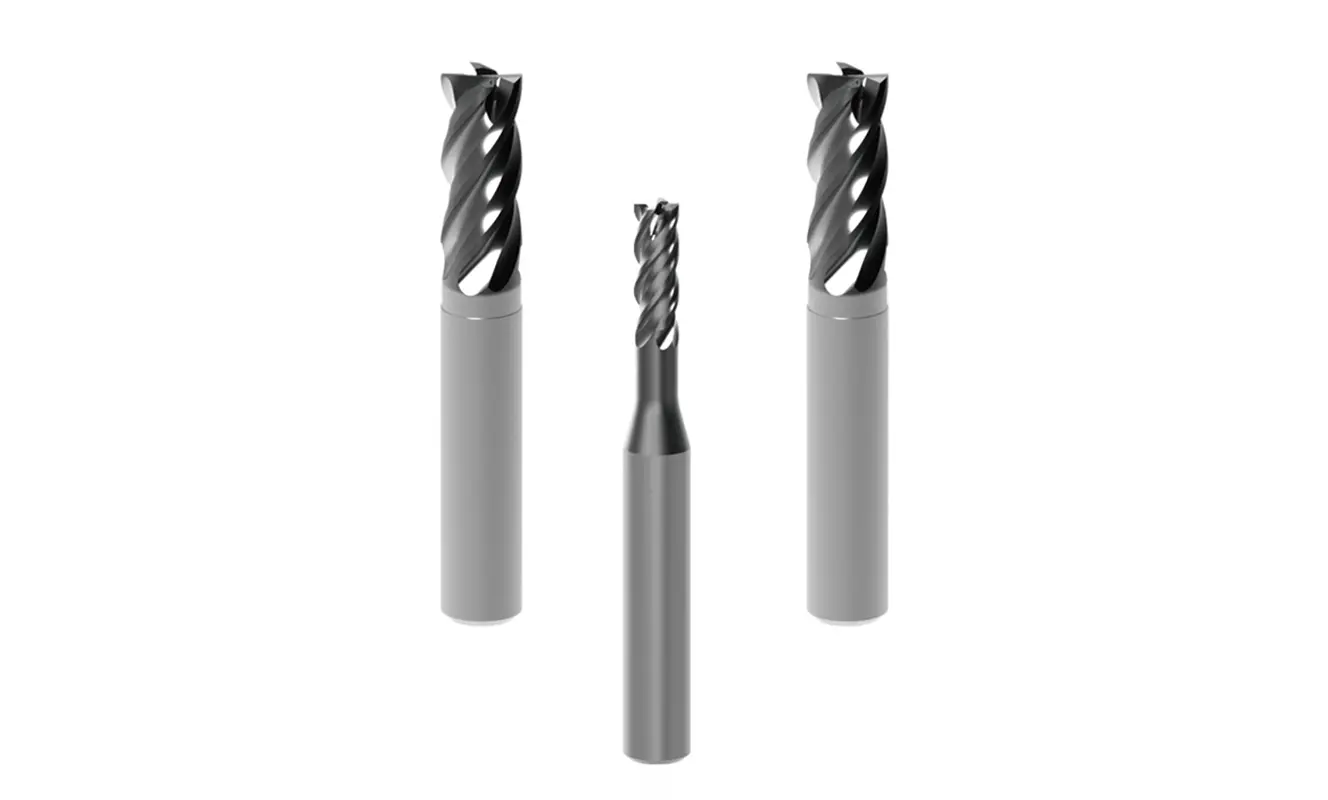
End mills are the most basic general-purpose tools, typically featuring cutting edges on both the side and the bottom. They are mainly used in flat-surface machining scenarios such as slotting and contour cutting of sheet materials. They come in a variety of shapes, sizes, and materials, making them highly versatile across different machining operations.
Depending on the specific application, end mills are available in different shapes and specifications. For example, flat-end end mills have a nearly right-angle transition between the peripheral face and the bottom face, allowing them to cut clean square corners at the bottom and produce a flat surface on the top. They are widely used for roughing, slot cutting, and 2D contouring. Corner-radius end mills, on the other hand, feature a small radius at the corner of the cutting edge, which helps prevent chipping and improves the surface finish of the machined part.
2. Ball Nose Cutters
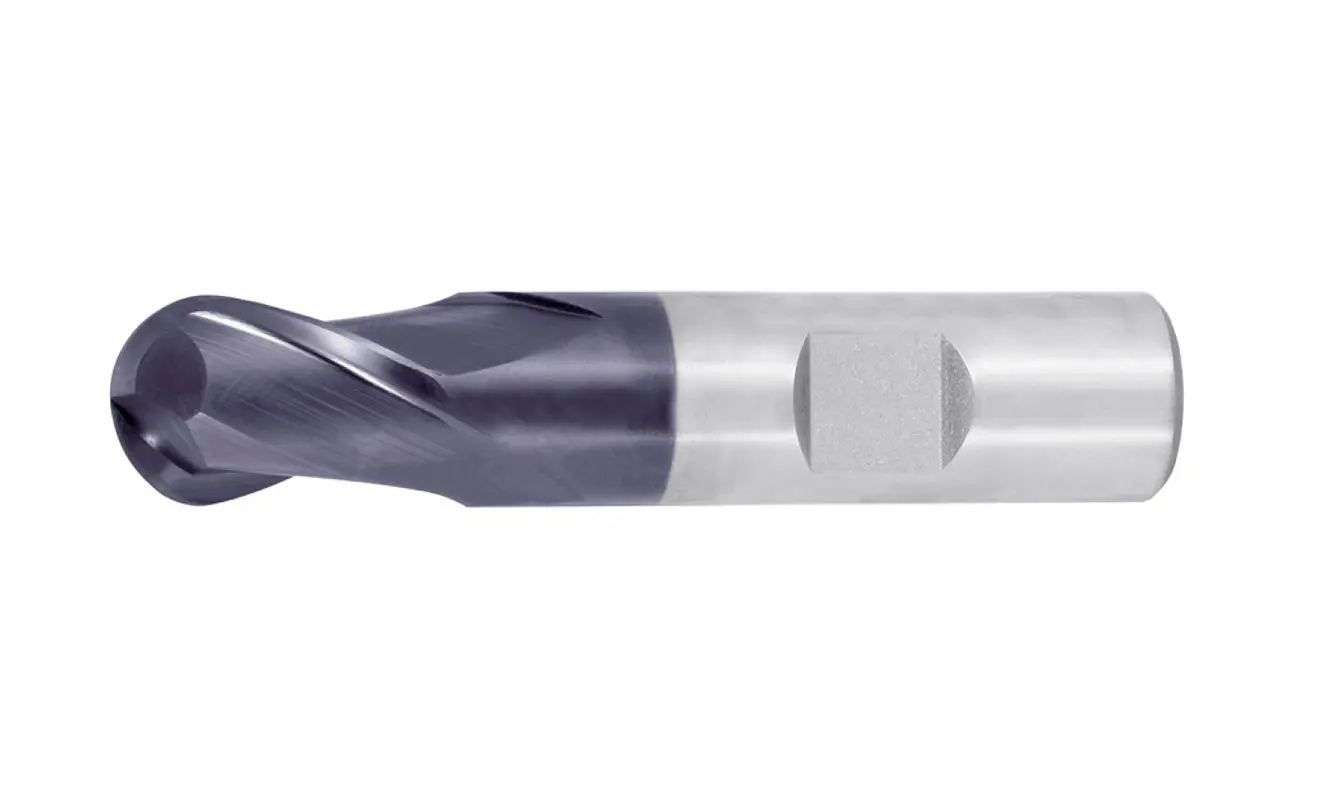
Compared to end mills, ball nose cutters are more "gentle." They feature a hemispherical tool tip, with the cutting edge forming a curved arc at the tip. This unique design enables them to machine smooth curved surfaces and complex three-dimensional shapes. In daily machining, ball nose cutters are commonly used for furniture reliefs, 3D sculpting, and other workpieces that require fine contoured surfaces.
Application scenarios:
- 3D engraving and relief machining
- Mold making
- Artistic carving
- Aerospace
3.V-type cutter
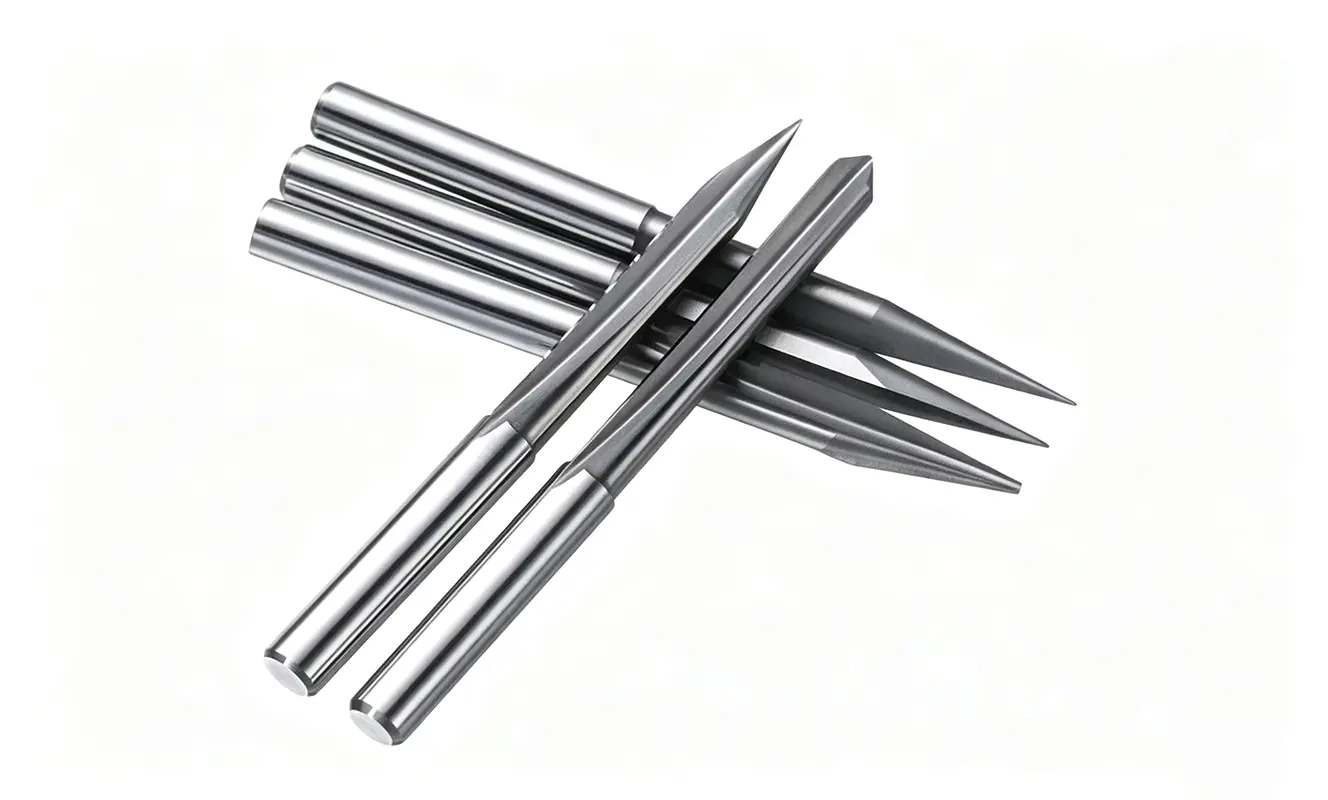
The V-bit cutter features a pointed conical tip and is a specialized tool for CNC engraving, designed for precise shaping, grooving, edging, and creating decorative patterns. It is widely used in processing scenarios such as advertising signage, furniture panels, and decorative carving.
With its sharp tip and thin cutting edges, it is highly prone to chipping and is one of the fastest-wearing tools, making it only suitable for fine, light-cutting processes.
Application Scenarios:
- Precise engraving of advertising fonts and signage
- Edge chamfering and V-grooving of panels
- Fine engraving of lines and patterns on furniture panels
- Edging and detailing of small relief carvings and decorative shapes
Common Angles:
The machining effect and cutting strength of V-bit cutters are entirely determined by the tip angle. A smaller angle results in a sharper tip, ideal for fine micro-engraving; a larger angle creates a wider, thicker tip with higher strength, suitable for wide grooves and large chamfers. There are four mainstream angles in daily use, each tailored to specific application scenarios.
- 30°V-bit cutter: With an extremely fine tip, it specializes in ultra-fine small characters, delicate patterns and detailed engraving.
- 60°V-bit cutter: Suitable for most conventional engraving and signage production, with the highest practicality.
- 90°V-bit cutter: Ideal for bold character engraving and deep chamfering of panels.
- 120°V-bit cutter: Featuring the widest tip angle, it is mainly used for wide groove processing and decorative wide edging of panels.
Ⅱ、What Are the Signs of Tool Wear?
Any tool will wear with prolonged use. In daily processing, tools are often replaced prematurely, discarded before reaching their maximum service life, resulting in tool waste and increased processing costs. Alternatively, overusing worn tools leads to workpiece scrap, machine downtime, and a significant drop in processing efficiency. Therefore, recognizing the various signs of tool wear is crucial for controlling processing costs, ensuring product quality, and improving production efficiency.
To address this issue, learning how to identify tool wear is the key.
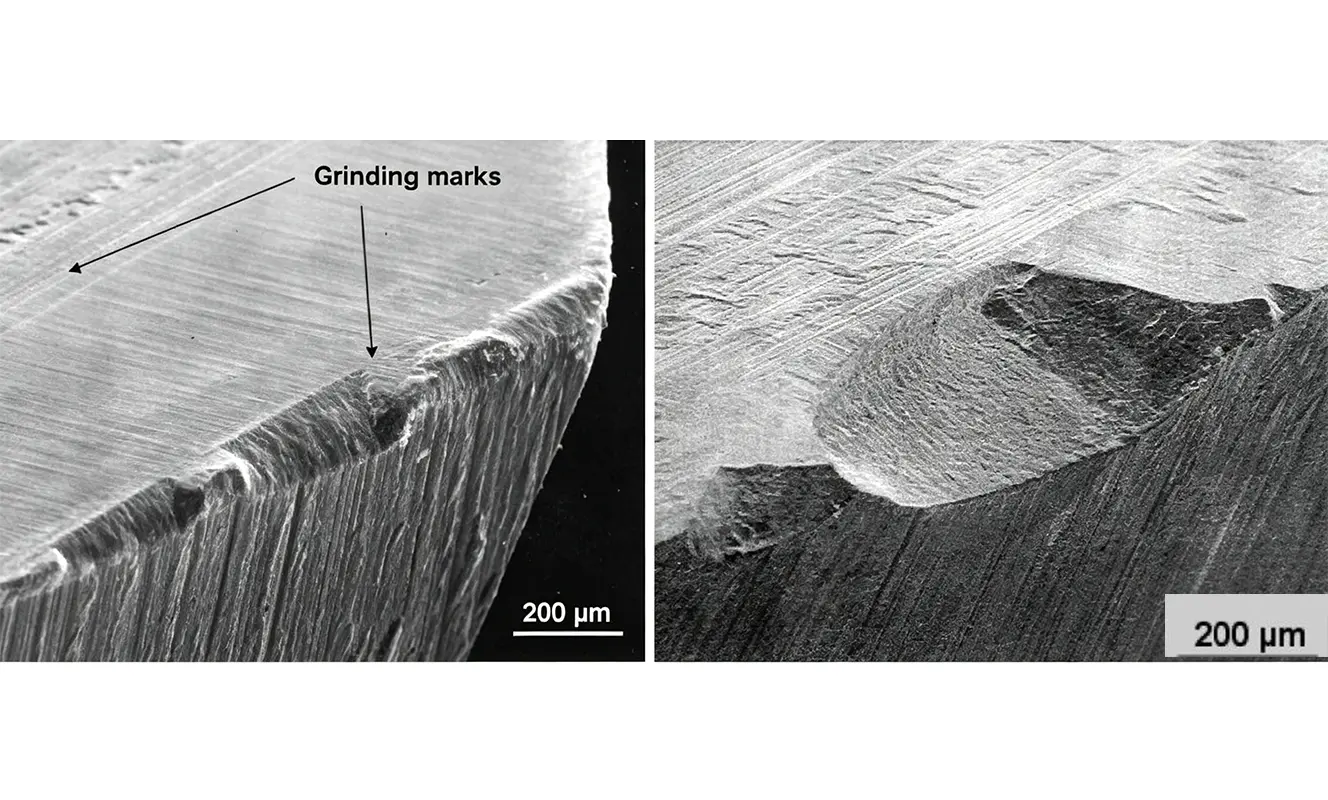
- Blade edges become rounded or dull
- Burn marks or discoloration
- Cracks develop
- Abnormal vibration or noise during cutting
- Rough or uneven surface
III. What factors affect tool life?
In CNC engraving/machining, extending tool life can help factories significantly reduce tool change costs, minimize downtime, while ensuring consistent machining accuracy across batches of workpieces, avoiding large amounts of scrap caused by tool wear, and ensuring more stable and efficient processing.
In everyday machining, the factors affecting tool life can be categorized as follows:
1. Tool material and coating configuration
The material of the tool itself directly determines its hardness, heat resistance, and other characteristics. Tools with different properties are suitable for different application scenarios. Commonly used tools in CNC engraving are mainly divided into three types of materials, with notable differences in applicable scenarios and durability:
- High-speed steel: Good toughness and cost-effective, but its hardness is slightly lower than that of cemented carbide, making it more prone to wear. Suitable for soft wood carving.
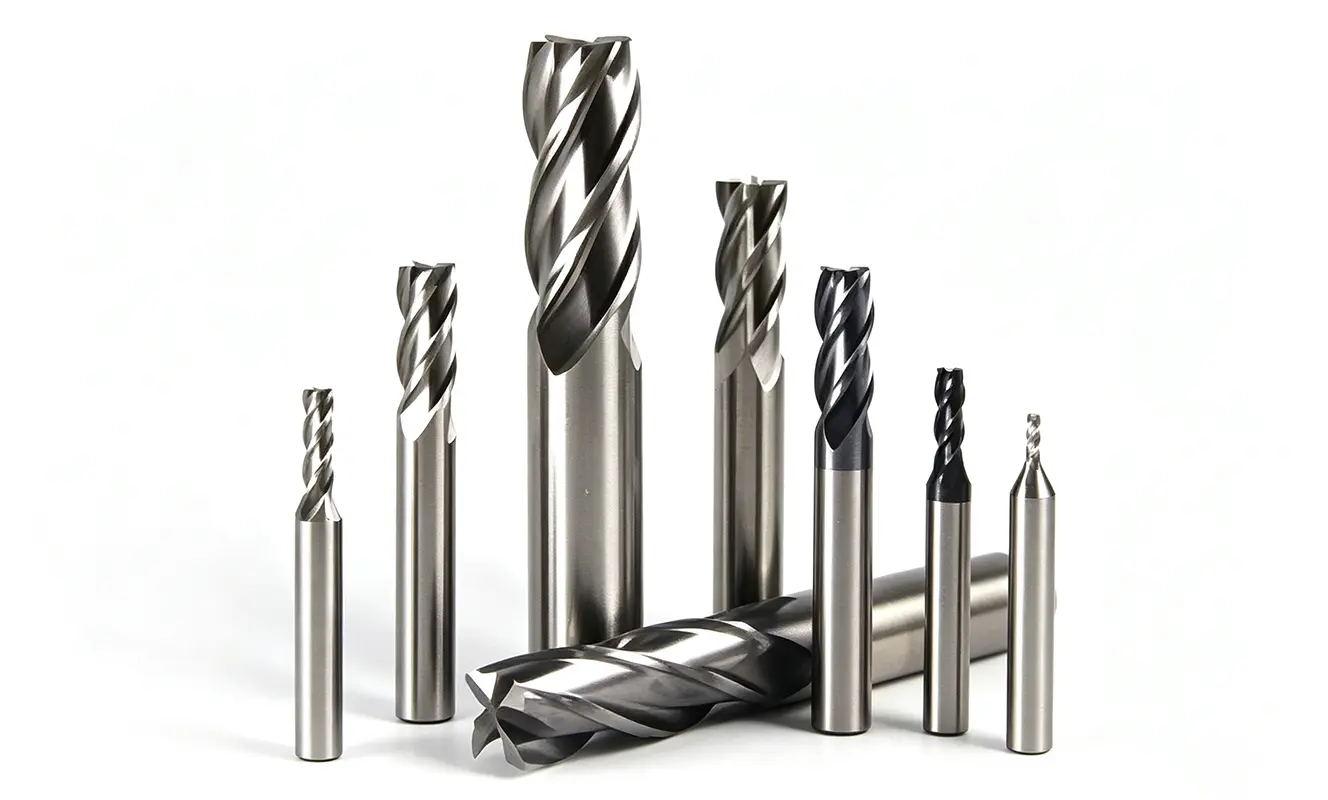
- Solid carbide: High hardness, excellent wear resistance and heat resistance. It is the mainstream material currently used in CNC machining, suitable for processing metals, acrylic, and high-density hard woods.
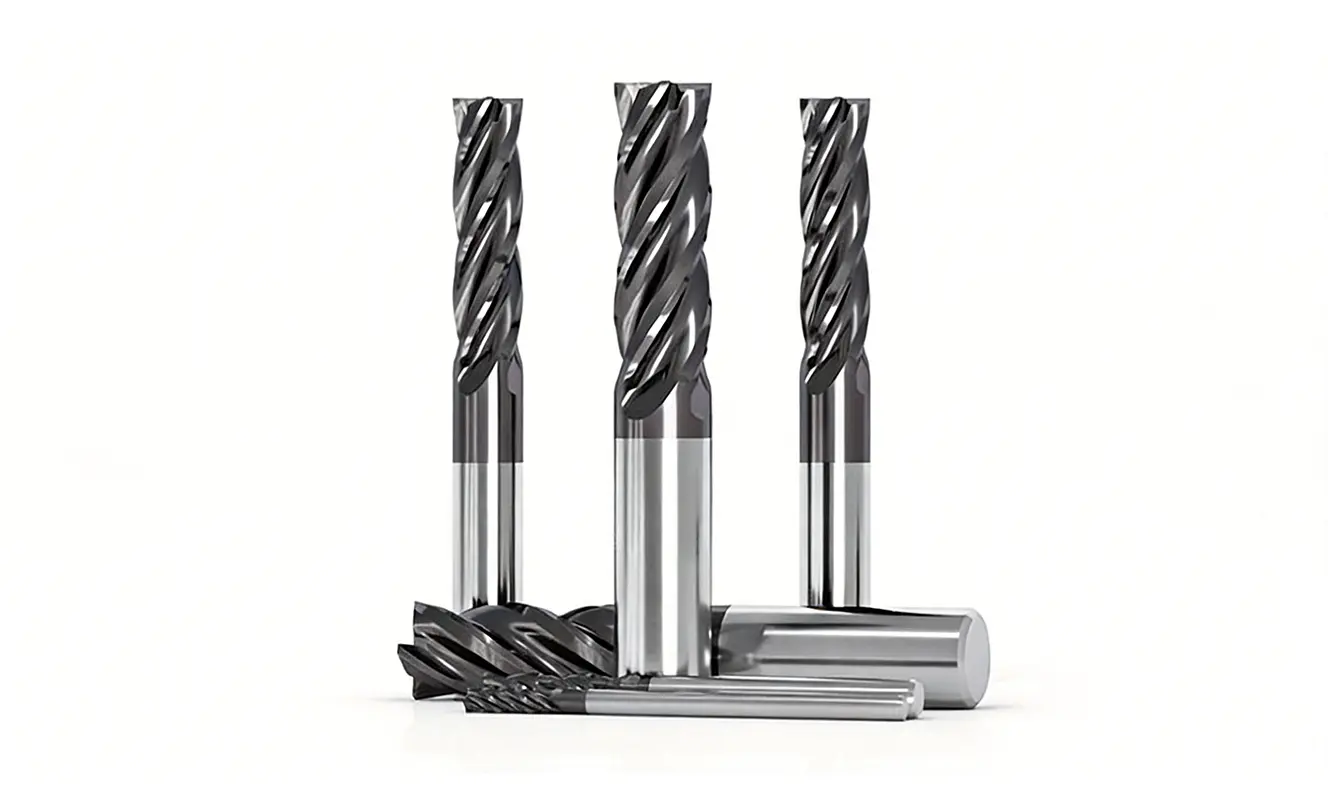
- Diamond: Extremely strong wear resistance, suitable for machining high-hardness special panels, with the longest durability. Ideal for high-wear-resistance panels, graphite, and similar materials.
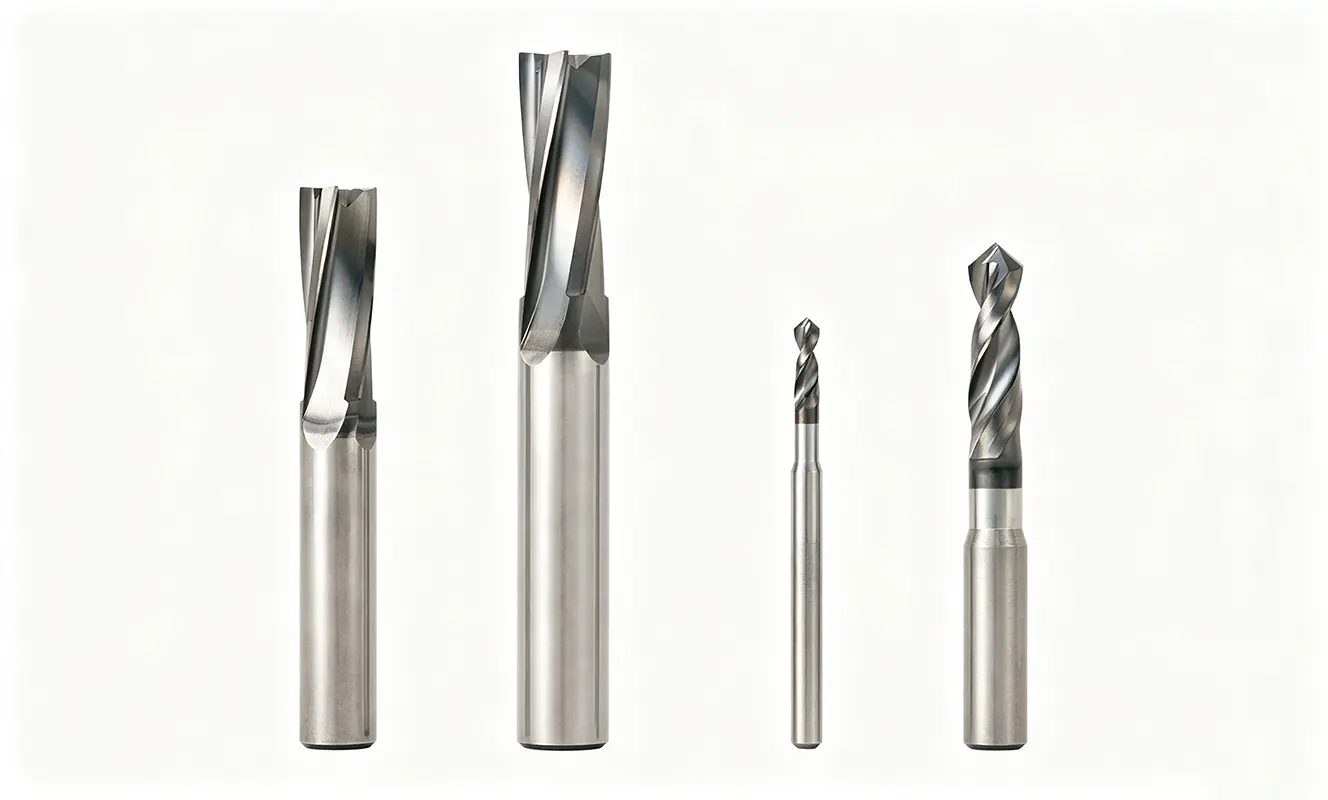
In addition to the material, the right coating can also extend tool life. Common coatings such as titanium nitride and titanium aluminum nitride help reduce the heat generated during machining and slow down edge wear.
2. Workpiece material
Different materials have different hardness and density, resulting in completely different cutting resistance. Many people experience rapid tool wear simply because the tool and workpiece material are mismatched—forcing the machining process leads to premature chipping and dulling of the tool.
For harder metallic materials such as stainless steel, tools with strong durability like carbide or diamond should be selected. For softer woods or plastics, high-speed steel (HSS) tools are sufficient to meet the requirements.
Based on the characteristics of different workpiece materials, selecting the right tool and optimizing cutting strategies can significantly extend tool life.
3. Vibration during cutting
Vibration is a major factor that accelerates tool wear. When the tool impacts the workpiece too forcefully during cutting or experiences chatter, the cutting edge can quickly become dull due to vibration, or even develop chips and cracks. In severe cases, the tool may break outright and be scrapped. This not only reduces tool life and cutting efficiency, but also adversely affects the surface quality of the machined workpiece.
In actual production, factories can effectively reduce vibration by optimizing machining methods, securely clamping the workpiece, and selecting the appropriate tool. This not only protects the tool but also ensures more stable machining results.
4. Cutting speed and feed rate
Cutting speed and feed rate directly affect the rate of tool wear. If the feed rate is too fast while the spindle speed cannot keep up, the tool will struggle to cut, and the cutting edge will quickly become worn and dull. On the other hand, if the feed rate is too slow and the spindle speed is too high, the tool and material will rub against each other for an extended period, causing the tool to overheat.
Many factory operators believe that simply increasing cutting speed will improve production efficiency and thus increase profits. In reality, while increasing cutting speed can speed up production, it shortens tool life.
The effect of cutting speed on tool life is very significant—even a slight increase in speed can cause cutting temperatures to rise sharply. If the speed is increased by 20%, tool life may be cut in half. In contrast, feed rate has a relatively smaller impact on tool life. Appropriately increasing the feed rate within a reasonable range not only improves efficiency but also helps extend tool life.
To maximize tool life, the optimal approach is to moderately reduce cutting speed while proportionally increasing feed rate, finding the most stable balance point. Specific parameters should be determined based on the material, tool type, and actual working conditions.
IV. 5 ways to extend the life of CNC engraving machine tools
Continuing to use a tool that has already reached the end of its service life will not improve production efficiency—on the contrary, it will reduce product quality and increase rework rates. CNC engraving machine tools that can be used for a long time help the machine operate efficiently, ensure product quality, and help factories reduce unnecessary cost losses.
Tip 1: Use the appropriate feed rate and spindle speed
Using the right feed rate and cutting speed is not only critical to machining quality and efficiency, but also has a significant impact on tool life. For most manufacturers, pursuing higher machining speed alone is meaningless. Only by using the appropriate feed rate and spindle speed can you effectively slow down tool wear and greatly extend tool service life while ensuring machining quality.
Once the parameters are set, it does not mean they are fixed for the entire process. During machining, parameters can be flexibly adjusted based on machining needs to protect the tool accordingly: To improve workpiece surface finish and reduce chip accumulation, you can appropriately increase spindle speed and decrease feed rate; To improve material removal rate while also taking tool life into account, you can reduce spindle speed and moderately increase feed rate within the safe cutting load range—this is the most cost-effective parameter setting range that best protects the tool.
If you hear obvious abnormal noise during machining, it may indicate unreasonable parameter settings causing tool wear. It is recommended to prioritize reducing spindle speed, fine-tune the feed rate, and optimize the cutting condition promptly to avoid rapid tool wear.
Tip 2: Improve chip evacuation and heat dissipation
A large amount of heat is generated during the cutting process. If chips accumulate and cannot be discharged in time, it can cause the tool to overheat, the cutting edge to dull, and may even lead to tool chipping or workpiece deformation. Therefore, selecting the appropriate chip evacuation and heat dissipation method based on the workpiece material is crucial for extending tool life:
Metal and hard material machining: Use an appropriate amount of cutting coolant/lubricant to rapidly carry away cutting heat, prevent high-temperature aging of the cutting edge, while lubricating the tool and reducing wear.
Non-metal machining such as wood and acrylic: Rely on the tool's own helical chip-flute design combined with powerful air cooling to discharge wood chips and dust in a timely manner, preventing heat buildup and tool clogging.
Tip 3: Avoid re-cutting chips
During CNC engraving machining, chips themselves play an important auxiliary role—they help carry away most of the heat generated during cutting in a timely manner, alleviating high-temperature wear on the tool.
However, if the machining parameters or toolpath settings are unreasonable, chips cannot be discharged in time, leading to the problem of re-cutting chips. This is also a common factor that accelerates tool wear.
Therefore, to protect the tool in daily machining, you should optimize the CNC engraving toolpath, adjust cutting parameters based on the workpiece material and tool type, ensure proper chip evacuation and dust removal, and promptly clear any unmoved chips from the machining area. This prevents chip accumulation, reduces unnecessary tool wear, and effectively extends tool service life.
Tip 4: Regularly maintain and care for the tool
Whether a tool can be used for a long time depends largely on daily maintenance.
Regular lubrication, inspection, and maintenance can increase tool life by more than 30%. Proper maintenance of CNC engraving machine tools is crucial for reducing workpiece wear and ensuring smooth operation.
- Clean after each use
During machining, wood chips, dust, and various debris tend to accumulate on the tool surface and in the chip flutes. If not cleaned in time, it can cause poor chip evacuation during the next use, leading to tool overheating and accelerated wear.
It is recommended to use a soft brush or soft cloth to clean the tool promptly, preventing debris buildup that could affect machining accuracy in subsequent use.
- Regularly inspect for wear
Inspect the tool weekly for signs of dulling, chipping, or obvious wear. Worn tools not only affect machining accuracy but can also damage the workpiece material and even machine components.
Ⅴ、FAQ
Q1: What are the main reasons for short tool life and rapid wear of CNC engraving tools?
In most cases, rapid tool wear in woodworking CNC machining is not due to poor tool quality. The main reasons are: mismatch between the tool and the workpiece material, improper spindle speed and feed rate settings, excessive machining vibration, and chip accumulation leading to re-cutting.
Q2: How should engraving tools be properly selected for woodworking CNC machining?
Select the tool type based on the specific machining process and requirements: end mills are suitable for slotting and contour cutting; ball-nose cutters are used for 3D curved surfaces and relief carving; V-groove bits are primarily for engraving letters, fine detailed patterns, and panel chamfering; and compression cutters are ideal for precision trimming and edge finishing of wood boards, achieving a chip-free edge effect.
Q3: Can tool coatings effectively extend CNC tool life?
Yes. Professional tool coatings such as titanium nitride and titanium aluminum nitride can effectively reduce machining friction and cutting temperatures, slow down edge oxidation and dulling wear, and significantly extend the tool's service life in continuous machining operations.
Q4: How can CNC machining vibration be reduced to prevent tool chipping and damage?
Control the tool overhang length, securely fix the workpiece material, avoid excessively large cutting parameters, and optimize the engraving toolpath. Reducing machining vibration can effectively prevent issues such as edge chipping and tool breakage.
Q5: How should CNC woodworking tools be maintained daily to reduce wear?
Clean wood chips and dust from the tool promptly after machining, regularly check the cutting edge for dulling and chipping, avoid re-cutting chips, and combine reasonable cutting depth with appropriate feed rate to reduce tool wear through everyday operations.
Ⅵ、Conclusion
For CNC production scenarios such as woodworking, signage, and panel processing, properly matching tools with workpiece conditions, standardizing cutting operations, and implementing routine maintenance can effectively slow down tool wear and significantly extend tool service life. This not only ensures stable machining quality, but also reduces tool replacement costs, improves workshop production efficiency, and helps factories achieve high-efficiency production.
RELATED MODELS
We recommend some related models for you...
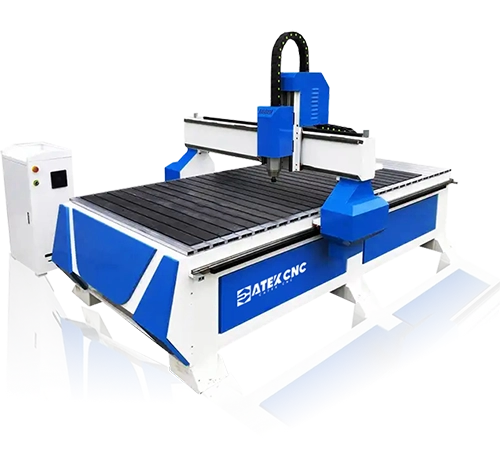
The CK-1325 is a standard-sized CNC router featuring simple operation and affordable pricing, making it ideal for small furniture manufacturing workshops, personal studios, and hobbyists. It is widely used for various processing techniques on solid wood, plywood, and MDF materials, including engraving, cutting, milling, drilling, and grooving of wave boards, doors/windows, cabinets, tables/chairs, and signage letters.
$2,570.00~$5,370.00
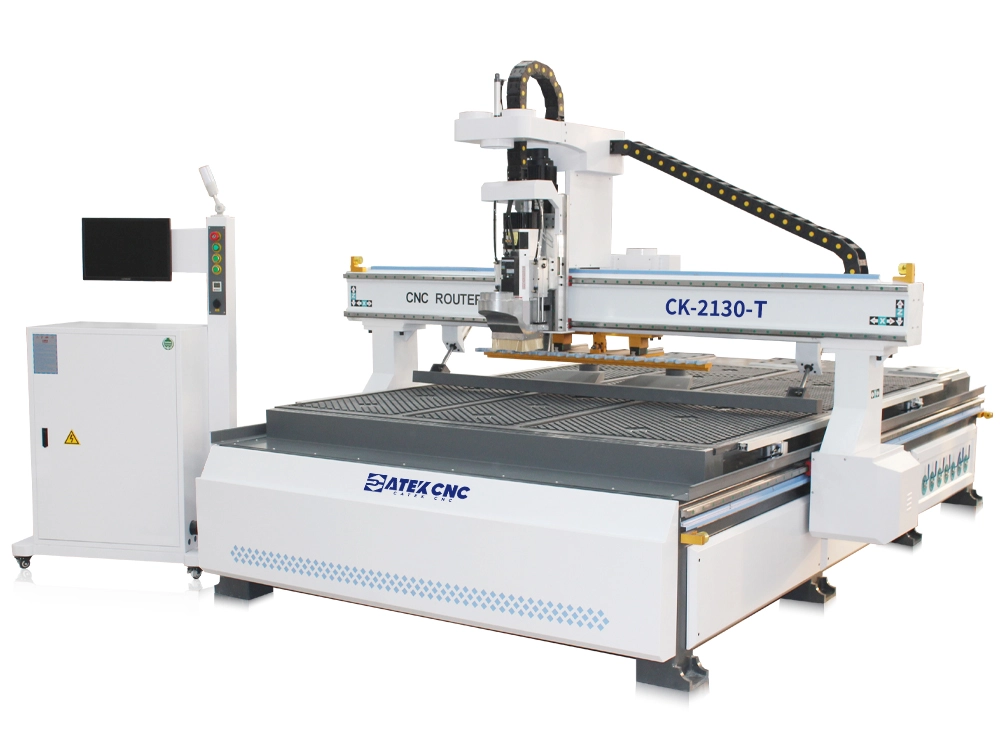
The 7x10ft ATC CNC router is a machine equipped with an oversized worktable, featuring a maximum processing size of 2100*3000mm. Capable of handling full-size panels, it comes standard with a vacuum adsorption worktable, HSD automatic tool-changing spindle, and linear tool magazine to meet diverse panel processing requirements across various dimensions.
$11,800.00~$16,800.00
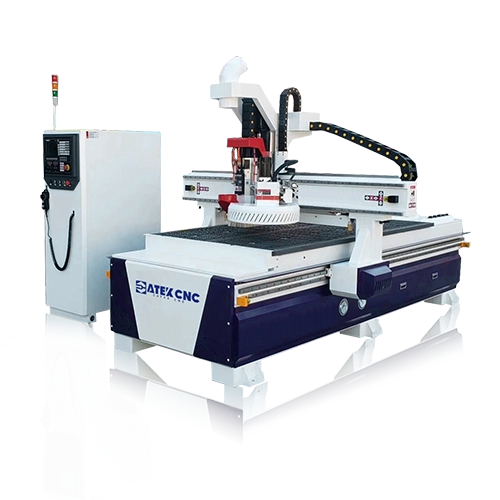
This CNC nesting machine is specifically developed for whole-house customized panel furniture production. It incorporates all functionalities of a linear ATC CNC router and is equipped with a 5+4 pneumatic drilling bank that can mount 9 different drill bits simultaneously, capable of completing 99% of drilling tasks, making it particularly suitable for manufacturing panel furniture like wardrobes and cabinets. Additionally, it features a 3D rotary fourth axis for processing 3D products such as E...
$13,800.00~$17,500.00
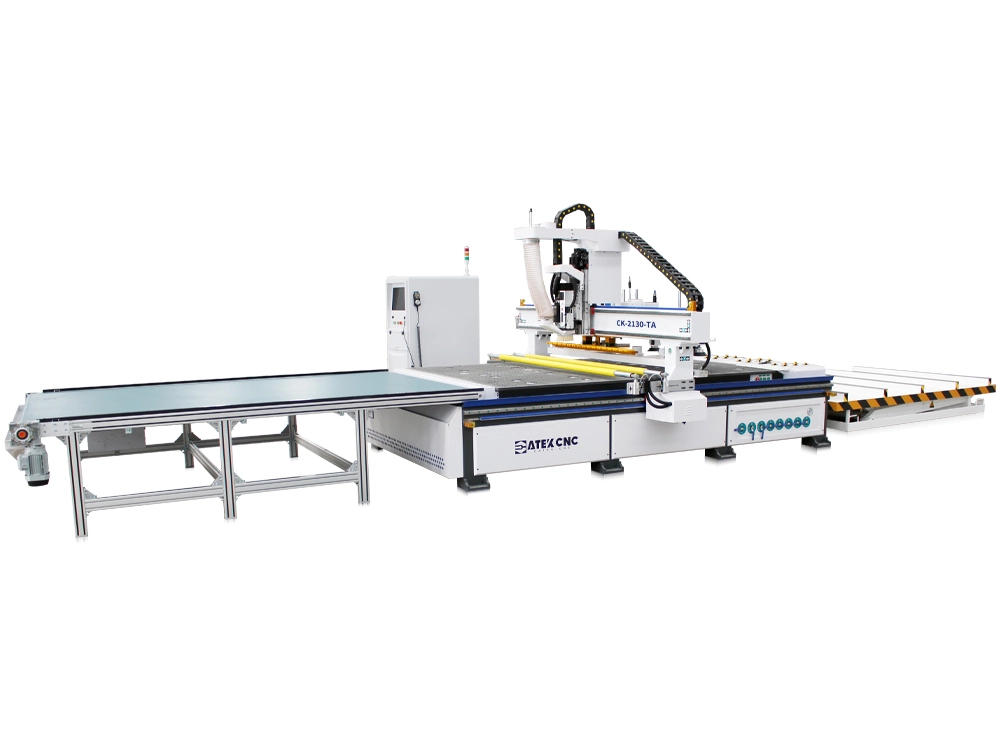
This router is equipped with a large-sized workbench, with a maximum processing size of 2100*3000mm (7x10 feet). It comes standard with a 9-zone 30-hole vacuum adsorption workbench, an HSD automatic tool change spindle, a linear tool change magazine, two pneumatic pressure roller, and a fully automatic loading and unloading platform, capable of meeting the fully automated processing needs of large-sized panels.
$14,800.00~$19,800.00
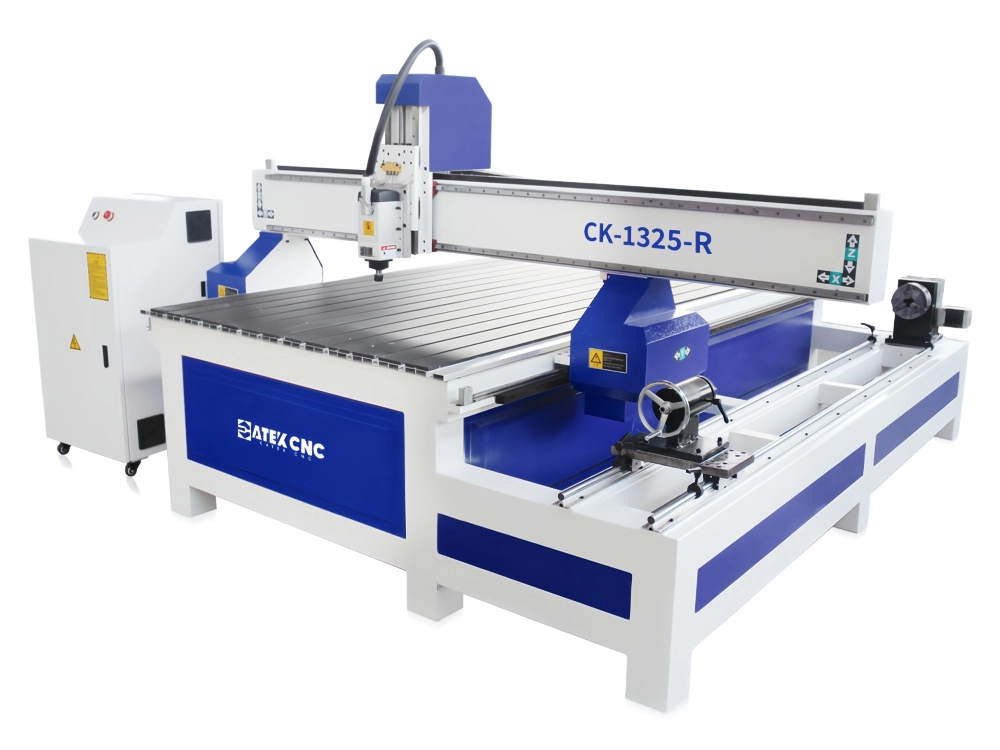
The machine features a 4x8ft worktable specifically designed for sheet material machining, along with a rotary 4th axis for clamping and rotating workpieces. This dual-functionality enables both planar engraving and 3D carving operations. Serving dual purposes with a single machine not only reduces procurement costs and floor space requirements but also lowers subsequent maintenance expenses. If your operations require both flat-surface processing and 3D machining, this equipment deserves your s...
$4,000.00~$5,570.00
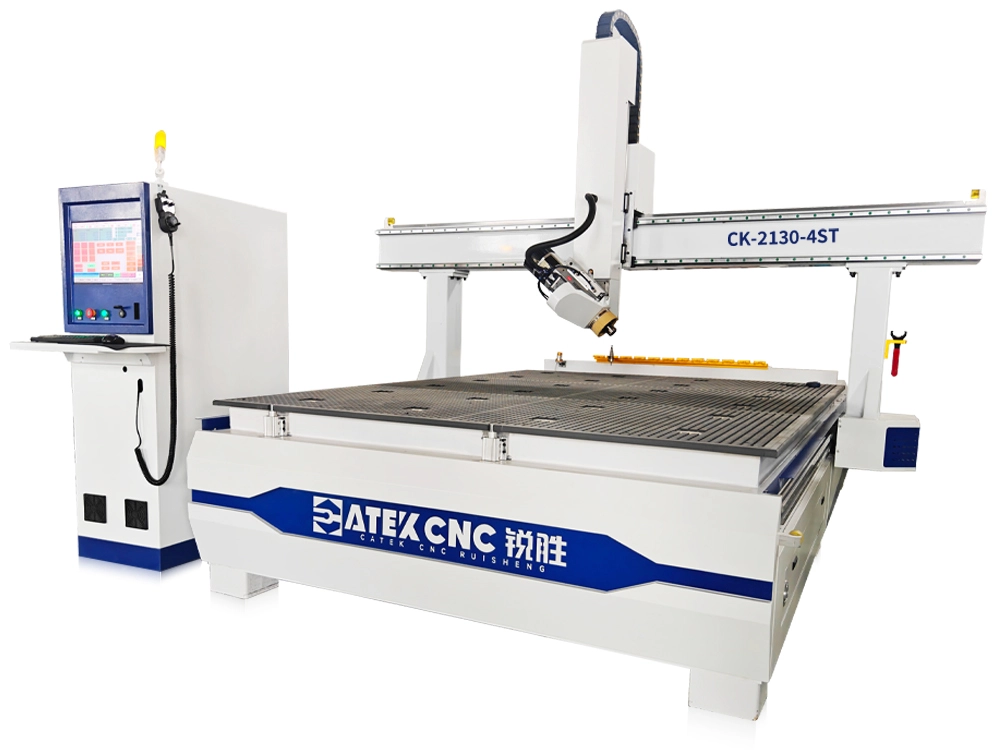
This is a typical four-axis CNC router, which adds a rotary device to the traditional three-axis router. This device allows the spindle to rotate ±90 degrees around its top endpoint on the X-Z plane, enabling the spindle to perform tilt machining on the workpiece. Combined with the movement of the Z-axis, the spindle can follow curved paths, making it capable of machining curved surfaces. When rotated to the maximum 90 degrees (spindle horizontal), it can drill or mill the sides of the workpiec...
$11,600.00~$15,900.00
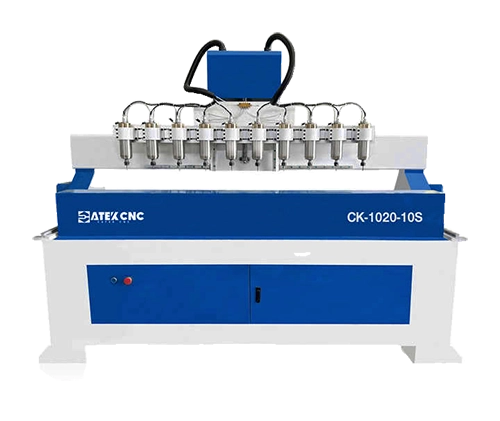
This is a multi-head CNC router that can perform 3D carving. The drive center clamps the cylindrical workpiece and rotates it. The drive center is controlled by the CNC system to rotate to a specified angle and cooperates with the engraving spindle above to complete the processing. Because it has multiple stations that can be processed simultaneously, it is very suitable for large factories to engrave and mill cylindrical workpieces, such as small sculptures, Buddha statues, and various table an...
$10,300.00~$13,900.00
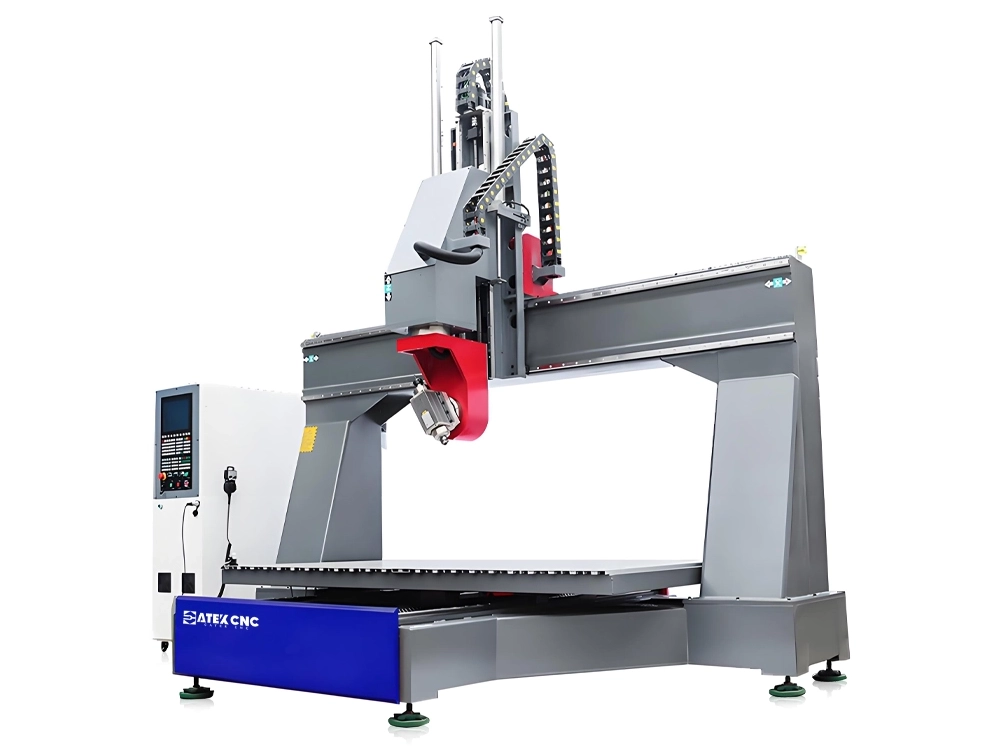
This is a five-axis CNC router with a movable worktable. The transverse slide can move along the X-axis, the worktable can move along the Y-axis, and the spindle moves along the Z-axis, equipped with A and C rotary axes to achieve five-axis linkage. This equipment is suitable for complex 3D carving of intricate curved surfaces on three-dimensional workpieces and is widely used in industries such as furniture manufacturing and mold production. It can machine various complex-shaped components, inc...
$37,000.00~$65,000.00