


{{goods.model}}
Fiber Laser Cutting Machine for Stainless Steel: A Complete Cutting Guide

Stainless steel is one of the most widely used metals in modern manufacturing. Its corrosion resistance, strength, durability, and attractive surface finish make it suitable for everything from kitchen equipment and electrical cabinets to automotive components, architectural products, and industrial machinery.
However, cutting stainless steel is not simply a matter of using a laser with enough power. Stainless steel behaves differently from mild steel during laser processing, and factors such as material grade, thickness, laser power, cutting speed, focus position, nozzle condition, and assist gas can all affect the final result.
A fiber laser cutting machine for stainless steel provides manufacturers with a precise and flexible way to process stainless steel sheets. Compared with traditional mechanical cutting methods, fiber laser technology can produce complex shapes without physical contact between the cutting tool and the material. With the right configuration and cutting parameters, manufacturers can achieve consistent edges while maintaining high production efficiency.
But how do you choose the right fiber laser for stainless steel? What laser power do you need? Which gas should you use? How thick can the machine cut? And how can you avoid burrs and rough edges?
This guide answers these questions and explains the key factors to consider when selecting and operating a stainless steel laser cutting machine.
I.Can a Fiber Laser Cutting Machine Cut Stainless Steel?
Fiber laser cutting machines are widely used for stainless steel cutting, particularly in sheet metal fabrication and industrial manufacturing.
The basic principle is straightforward. A fiber laser generates a concentrated beam of light that is directed through the cutting head and focused onto the surface of the stainless steel. The concentrated energy rapidly heats and melts the material along the programmed cutting path. At the same time, an assist gas helps remove the molten metal from the cutting area.
Because the laser does not physically contact the stainless steel, there is no cutting tool that needs to press against the material. This makes the process suitable for producing intricate contours, small holes, slots, and other complex geometries that can be difficult or time-consuming to produce using conventional mechanical methods.
Another important advantage is CNC control. Once the cutting file and parameters have been prepared, the machine can repeatedly produce the same parts with a high level of consistency. This is particularly valuable for manufacturers producing batches of stainless steel components.
1.Why Are Fiber Lasers Suitable for Stainless Steel?
Stainless steel has good corrosion resistance and strength, but these properties can also make conventional machining more demanding. Fiber laser technology provides a non-contact alternative that concentrates a large amount of energy into a very small area.
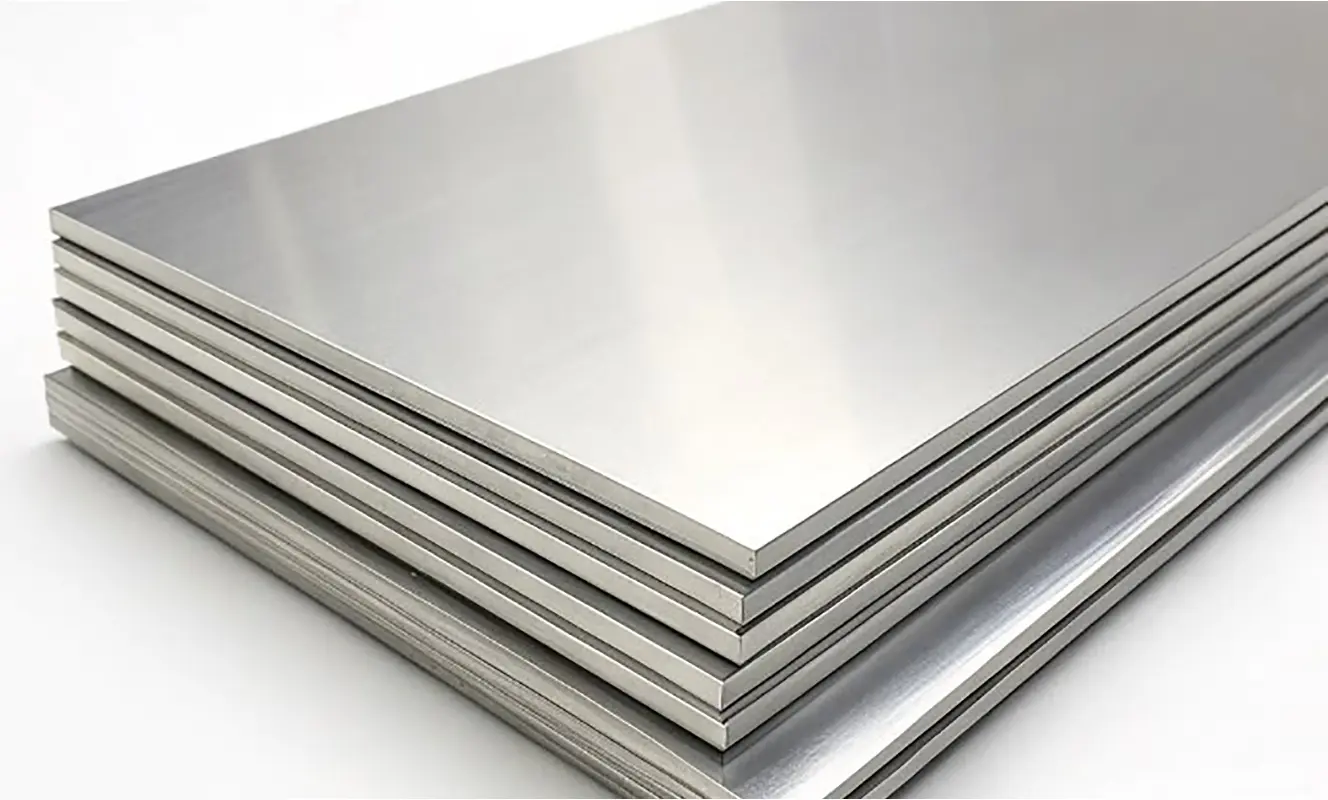
The result is a narrow cutting path and relatively limited heat input compared with some traditional thermal cutting processes.
For manufacturers, this means a fiber laser can be used for both simple and highly detailed components. A single machine may process everything from rectangular brackets and panels to decorative patterns and complex industrial parts.
However, the quality of the result depends heavily on parameter matching. A powerful laser source alone does not guarantee a clean edge. The laser power, cutting speed, focus, nozzle, assist gas, and material thickness must be properly matched.
2.What Types of Stainless Steel Can Be Cut?
Common stainless steel grades such as 304, 316, and 430 stainless steel can be processed with fiber laser technology.
304 stainless steel is particularly common in general fabrication, kitchen equipment, architectural products, and industrial components. 316 stainless steel is often used where greater corrosion resistance is required, while 430 stainless steel is found in various appliances and decorative applications.
Although these materials are all classified as stainless steel, their composition and physical characteristics are not identical. Therefore, cutting parameters developed for one grade should not automatically be transferred to another grade without testing.
For production environments, it is better to establish parameters according to the actual material grade, thickness, surface condition, and required edge quality.
II.How Does a Fiber Laser Cutting Machine Cut Stainless Steel?
The fiber laser cutting process for stainless steel involves several systems working together rather than the laser source alone.
First, the part geometry is prepared using CAD/CAM software. The design is then converted into instructions that the CNC system can understand. Nesting software can also arrange multiple parts on a single sheet to improve material utilization and reduce scrap during stainless steel laser cutting.
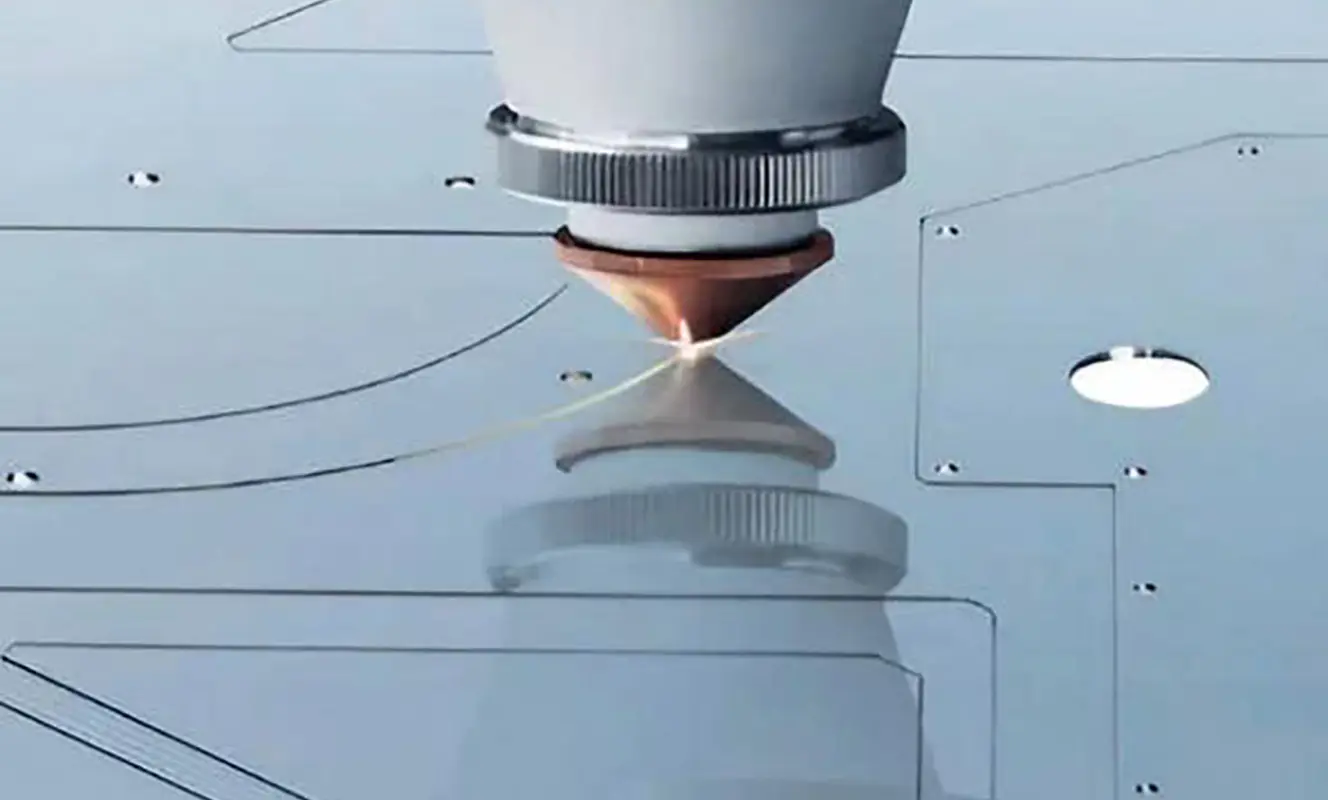
Once the stainless steel sheet is positioned on the machine, the fiber laser source generates the beam. The beam travels through the optical system and reaches the laser cutting head, where it is focused onto the material surface.
At the focal point, the laser produces enough energy density to melt the stainless steel. The assist gas is then directed through the nozzle around the laser beam. Its job is to help remove molten material from the kerf and maintain a stable fiber laser cutting stainless steel process.
The CNC system simultaneously controls the movement of the cutting head along the programmed path. Because the movement is digitally controlled, the machine can produce complex geometries without requiring a custom mechanical cutting tool for every part.
This is one of the major advantages of laser cutting stainless steel for manufacturers that frequently change product designs or produce customized parts.
A typical stainless steel laser cutting workflow can be understood as:
CAD design → nesting → sheet positioning → laser focusing → assist gas → CNC cutting → part unloading
The efficiency of this process depends on the complete machine system. A high-quality laser source combined with a poorly matched cutting head or unstable motion system will not necessarily produce good results. For this reason, buyers should evaluate the complete fiber laser cutting machine configuration rather than looking at the laser source specification alone.
III.How to Choose the Right Laser Power for Cutting Stainless Steel
Choosing the right laser power for cutting stainless steel depends on more than the machine's maximum cutting thickness. A better starting point is to consider the common stainless steel thickness you process, the required cutting speed, production volume, and your future product range.
Below is a reference range for different fiber laser cutting machine power levels when processing stainless steel:
| Laser Power | Stainless Steel Cutting Thickness |
|---|---|
| 1,500W | ≤8 mm |
| 2,000W | ≤10mm |
| 3,000W | ≤12mm |
| 4,000W | ≤12mm |
| 6,000W | ≤20mm |
| 8,000W | ≤30mm |
| 12,000W | ≤40mm |
| 15,000W | ≤50mm |
| 20,000W | ≤80mm |
| 30,000W | ≤100mm |
| 40,000W | ≤120mm |
| 60,000W | ≤200mm |
| 80,000W | ≤200mm |
If you mainly process thin to medium-thickness stainless steel sheets, 1,500W–4,000W can cover many common applications. For manufacturers that need to process 20–50 mm stainless steel, 6,000W–15,000W machines can be considered. Ultra-high-power fiber laser cutting machines above 20,000W are more commonly used for thick-plate and heavy-duty industrial applications.
However, the maximum cutting thickness does not necessarily represent the best production thickness. For example, a 2,000W fiber laser cutting machine may theoretically process relatively thick stainless steel, but if a factory processes material close to its maximum thickness every day, cutting speed and production efficiency may be more important than simply being able to cut through the material. Therefore, if your main orders involve 6–10 mm stainless steel, it is more useful to compare the actual cutting speed and edge quality achieved at different laser power levels rather than looking only at the machine's maximum cutting capacity.
In addition, stainless steel grade, nitrogen or oxygen pressure, nozzle size, focus position, laser source, and laser cutting head can all affect the final cutting results. The thickness figures in the table should therefore be used as a reference for machine selection, while actual cutting performance should be verified through a stainless steel laser cutting test using the specific material.
When selecting a stainless steel laser cutting machine, you can first determine three key factors: the most commonly processed thickness, the maximum material thickness, and the required cutting speed. With these three parameters, you can determine the appropriate laser power for stainless steel more accurately instead of simply choosing the highest available power.
IV.Key Factors for Stainless Steel Laser Cutting
When laser cutting stainless steel, achieving consistent cutting results requires several factors to work together. Laser power is important, but it is only one part of the cutting process. Material thickness, cutting speed, focus position, nozzle selection, and assist gas can all affect cutting efficiency and edge quality.
1. Laser Power
Laser power determines the energy available to melt and penetrate stainless steel. Thicker materials generally require higher power, while lower power can be sufficient for thin sheets. The right power should also be matched to the required cutting speed and production volume.
2. Cutting Speed
Cutting speed affects both productivity and cut quality. If the speed is too high for the selected laser power and material thickness, incomplete cutting or rough edges may occur. If it is too slow, excessive heat can build up around the cutting area, causing dross or discoloration.
3. Focus Position
The focus position determines where the laser beam reaches its highest energy density. A suitable focus position helps concentrate energy in the cutting zone and achieve stable penetration. Incorrect focusing can result in poor cutting quality, particularly when processing thicker stainless steel.
4. Nozzle and Assist Gas
The nozzle controls the flow of assist gas around the laser beam and helps remove molten metal from the cutting area. Proper nozzle selection and stable gas pressure are important for maintaining a consistent kerf and clean edge.
For stainless steel, nitrogen is commonly used when a bright, low-oxidation edge is required. Oxygen and compressed air can also be used for specific applications depending on the required edge quality and operating cost.
5. Stainless Steel Grade and Thickness
Different stainless steel grades can behave differently during laser cutting. 304, 316, and 430 stainless steel are commonly processed, but their composition and thickness can affect the required cutting settings.
As thickness increases, the machine may require higher laser power, adjusted cutting speed, different focus settings, and appropriate gas pressure. Therefore, cutting parameters should be selected according to the specific stainless steel grade and thickness, rather than applying the same settings to every material.
V.Which Assist Gas Is Best for Stainless Steel Laser Cutting
The choice of assist gas for stainless steel laser cutting directly affects cutting quality, edge appearance, cutting speed, and operating cost. The three commonly used assist gases are nitrogen, oxygen, and compressed air, each offering different advantages depending on the application.
1. Nitrogen for Stainless Steel Laser Cutting
When a clean and bright cutting edge is required, nitrogen (N₂) is the most commonly used assist gas. Because nitrogen is relatively inert during the cutting process, it helps minimize oxidation and discoloration on the cutting surface.
Nitrogen is particularly suitable for stainless steel products where appearance is important, such as kitchen equipment, decorative panels, architectural components, and precision sheet-metal parts. The main consideration is gas consumption and operating cost, especially when cutting thick materials or running the fiber laser cutting machine continuously.
2. Oxygen
Oxygen (O₂) participates in the cutting reaction and can provide additional energy during the cutting process. Therefore, oxygen can be used for certain stainless steel laser cutting applications where a highly oxidation-free cutting edge is not essential.
The main drawback is that oxygen can cause oxidation and discoloration on the cutting edge. For applications where the edge will be ground, painted, coated, or further processed, this may be acceptable.
3. Compressed Air
Compressed air is another option for stainless steel laser cutting, particularly when reducing operating costs is important. Since compressed air is readily available in many factories, it can significantly reduce the cost associated with purchasing high-pressure nitrogen.
However, because compressed air contains oxygen, the cutting edge may show more noticeable oxidation compared with nitrogen cutting. In addition, the air supply should be sufficiently clean and dry to avoid affecting cutting stability and component life.
4. Which Gas Should You Choose?
For most applications where stainless steel cutting edge quality and appearance are important, nitrogen is generally the preferred choice. If oxidation is acceptable and factors such as cutting requirements or operating cost are more important, oxygen or compressed air can be considered.
The final choice should be based on stainless steel grade, material thickness, required edge quality, cutting speed, and production cost, rather than using the same assist gas for every application.
VI.Common Stainless Steel Laser Cutting Problems and Troubleshooting
Even with the right fiber laser cutting machine for stainless steel, cutting problems can occur when the power, speed, focus, nozzle, or assist gas is not properly matched to the material. Understanding the symptoms can help operators quickly identify the cause and adjust the cutting settings.
1. Excessive Dross on the Cutting Edge
If molten metal remains on the bottom or edge of the stainless steel, the cutting speed, laser power, focus position, or assist gas pressure may need adjustment. A worn or incorrectly sized nozzle can also cause unstable gas flow and increase dross.
2. Rough or Uneven Cutting Edge
A rough edge can result from an incorrect focus position, unstable cutting speed, contaminated protective lens, or unsuitable nozzle. Check the optical components and nozzle first, then fine-tune the focus and cutting speed according to the material thickness.
3. Incomplete Cutting
If the laser does not completely penetrate the stainless steel, the first factors to check are laser power and cutting speed. The material may be too thick for the selected power, or the cutting speed may be too high. Insufficient assist-gas pressure or an incorrect focus position can also prevent molten metal from being removed effectively.
4. Excessive Discoloration
Blue, yellow, or dark discoloration around the cutting edge is often related to oxidation. When a clean, bright edge is required, nitrogen is generally preferred over oxygen or compressed air. Gas purity, pressure, and flow should also be checked.
5. Unstable Cutting Quality
If cutting quality varies across the same sheet, inspect the nozzle, protective lens, laser beam alignment, gas supply, and material surface. Changes in stainless steel thickness or surface condition can also affect cutting stability.
In practice, troubleshooting should start with the simplest factors—nozzle condition, gas pressure, focus position, cutting speed, and power—before adjusting more complex machine settings. For new materials or thicknesses, a small cutting test is recommended to establish the appropriate parameters before full production.
VII.Which Industries Use Fiber Laser Cutting for Stainless Steel?
Stainless steel combines corrosion resistance, strength, durability, and an attractive surface finish, making it widely used across different manufacturing industries. Fiber laser cutting machines allow manufacturers to process stainless steel sheets and components into precise shapes without requiring traditional cutting dies.
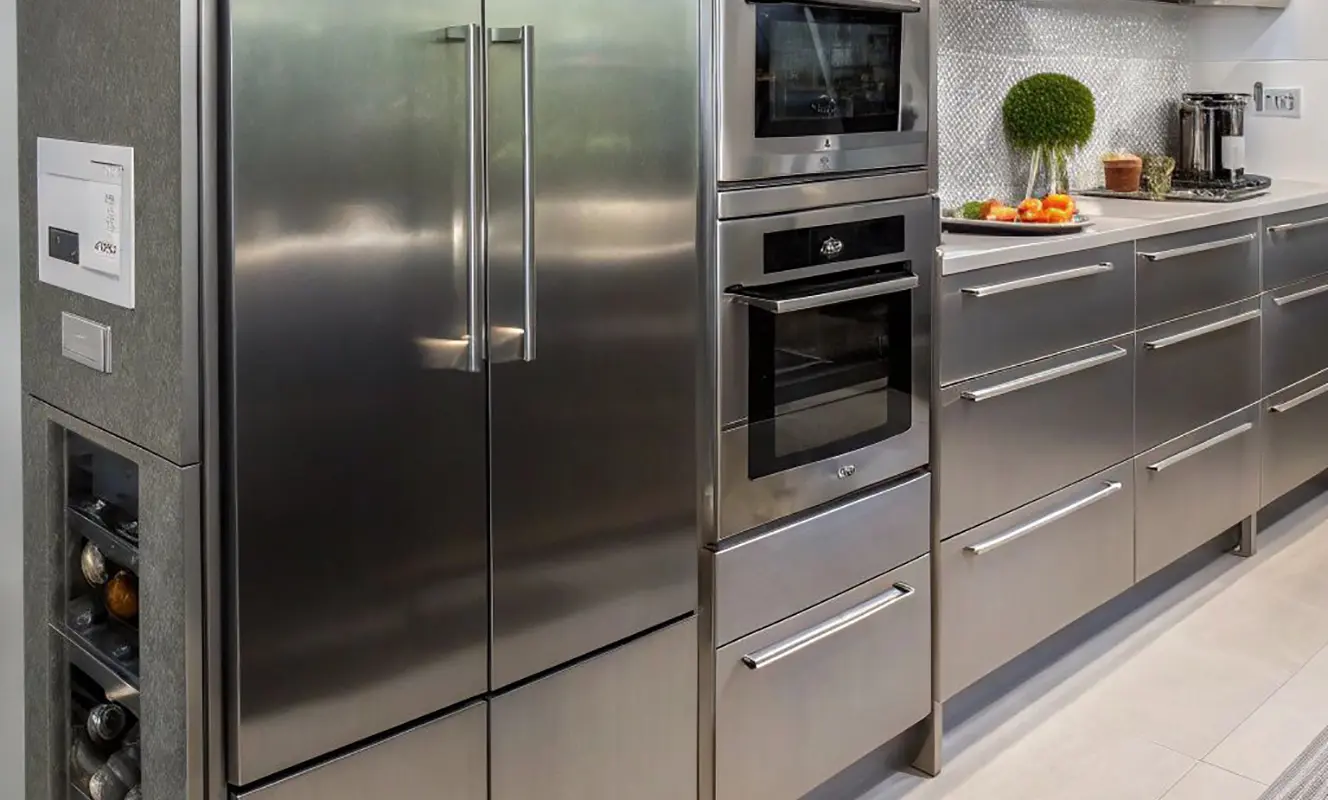
1. Kitchen Equipment Manufacturing
Stainless steel is widely used for commercial kitchens, sinks, worktables, cabinets, shelves, and other equipment. A fiber laser can cut complex profiles and mounting holes with high accuracy, making it suitable for both standard products and customized orders.
2. Architectural and Decorative Metalwork
Stainless steel is commonly used for decorative panels, screens, partitions, railings, signs, and architectural features. Laser cutting stainless steel allows manufacturers to create detailed patterns and customized designs while maintaining consistent dimensions.
3. Electrical and Electronic Equipment
Electrical cabinets, control boxes, enclosures, panels, and equipment housings often require accurately cut openings, mounting holes, and edges. Fiber laser cutting provides the precision needed for these sheet-metal components.
4. Machinery and Industrial Equipment
Manufacturers of machinery and industrial equipment use stainless steel for components that require durability and corrosion resistance. Fiber laser cutting can process brackets, covers, frames, panels, and customized machine parts in different sizes and thicknesses.
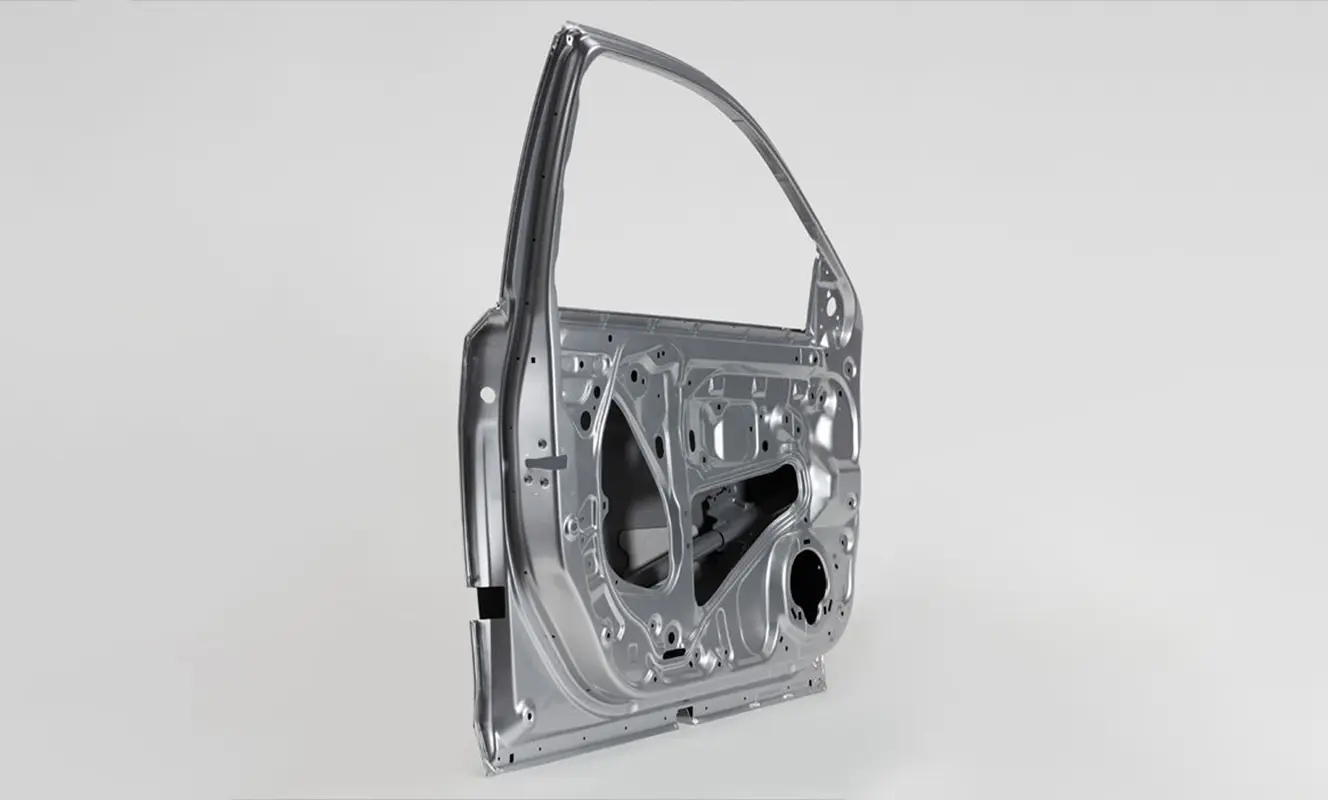
5. Automotive and Transportation
Stainless steel components are used in selected automotive, rail, and transportation applications where corrosion resistance and durability are important. Laser cutting can produce brackets, structural components, covers, and other precision metal parts.
6. Food and Pharmaceutical Equipment
Because stainless steel is widely used in hygienic production environments, it is common in food-processing equipment, storage systems, laboratory equipment, and pharmaceutical machinery. Laser cutting helps manufacturers produce accurately shaped components while supporting customized equipment designs.
7. Metal Fabrication and Custom Manufacturing
Metal fabrication companies often handle different stainless steel grades, thicknesses, and product designs for multiple customers. A stainless steel laser cutting machine provides the flexibility to move between different jobs without dedicated dies, making it suitable for prototypes, small batches, and high-volume production.
From kitchen equipment and architectural products to industrial machinery and custom fabrication, the wide range of stainless steel applications makes fiber laser cutting a valuable processing solution for manufacturers that need accurate, flexible, and repeatable cutting.
VIII.How to Choose a Fiber Laser Cutting Machine for Stainless Steel
Choosing a fiber laser cutting machine for stainless steel should start with your actual production requirements rather than simply choosing the highest laser power. The right machine needs to match your material thickness, sheet size, cutting speed, production volume, and future processing needs.
1. Match Laser Power to Stainless Steel Thickness
Laser power determines the machine's cutting capacity. If you mainly process thin stainless steel, a lower-power machine may be sufficient. For thicker materials or higher production speeds, higher power provides greater processing capacity.
Consider both your most commonly processed thickness and maximum thickness. A machine should be selected based on the material you process regularly, not only the thickest material you occasionally cut.
2. Choose the Right Working Area
The working area should correspond to the stainless steel sheet sizes you commonly purchase.
For example, a 3015 fiber laser cutting machine provides a working area of approximately 3000 × 1500mm and is suitable for many standard sheet-metal applications. Larger formats such as 4020, 6020, or 6025 can be considered when your production involves larger stainless steel sheets.
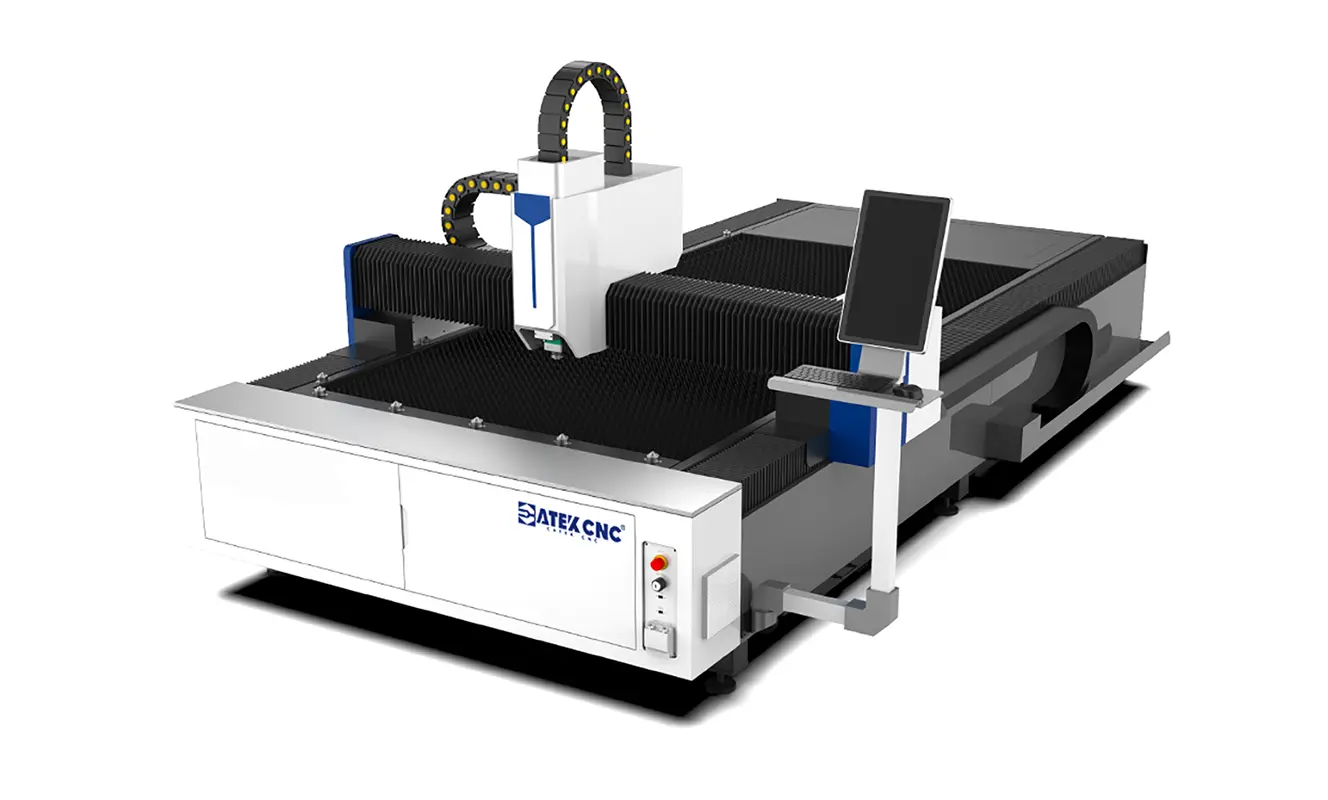
Choosing the appropriate table size can reduce material repositioning and make better use of standard sheet formats.
3. Consider Cutting Speed and Production Volume
If the machine will operate for several hours a day, maximum cutting thickness is not enough to evaluate its performance. Cutting speed, acceleration, positioning accuracy, and cycle time can have a significant impact on overall productivity.
For high-volume production, features such as automatic focusing, shuttle tables, automatic loading and unloading, and nesting software can help reduce handling time and improve machine utilization.
4. Check the Complete Machine Configuration
The laser source is only one component of the cutting system. The laser cutting head, CNC control system, machine bed, motion system, cooling system, and assist-gas system all influence cutting performance.
For stainless steel, also pay attention to the gas system, especially if nitrogen cutting is required for clean, low-oxidation edges.
5. Choose the Configuration Based on Your Applications
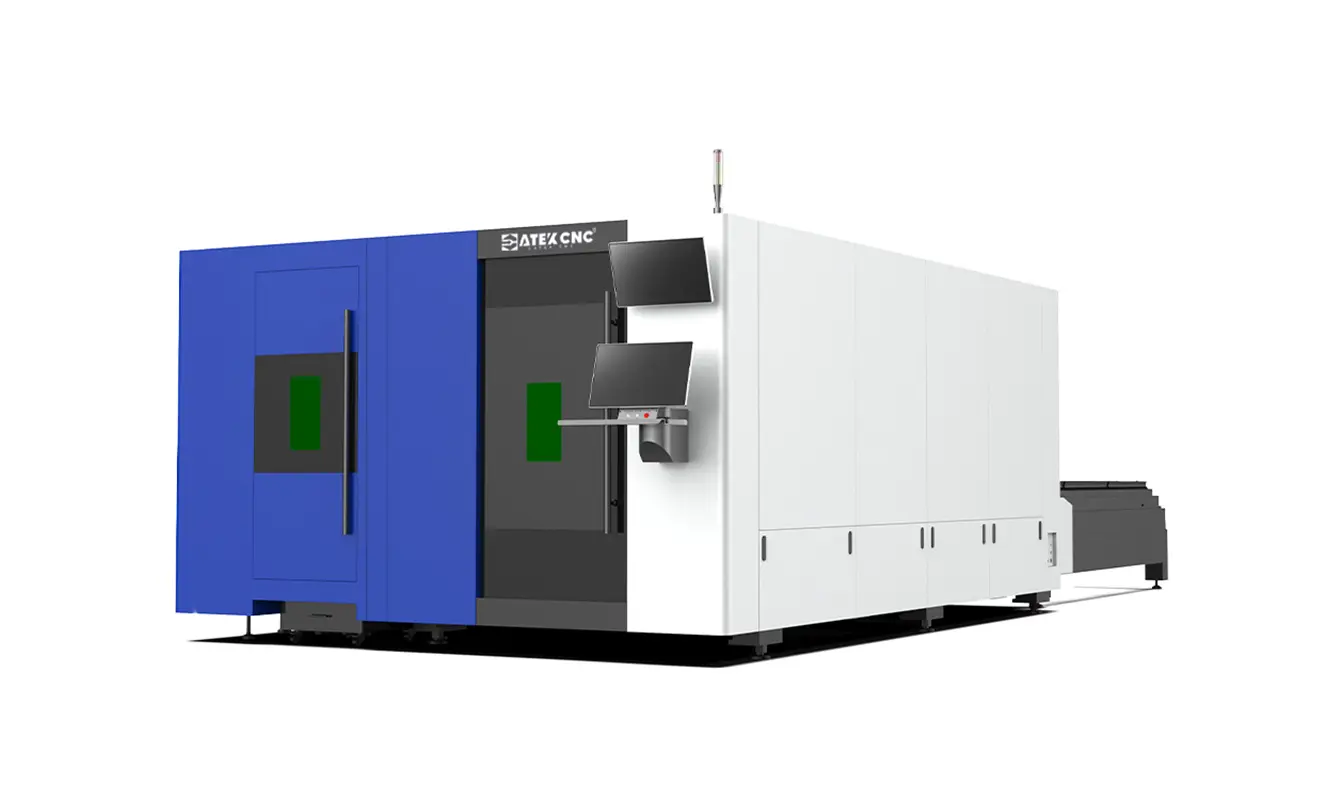
An open-type machine can be suitable for general sheet-metal production, while an enclosed fiber laser cutting machine provides a more enclosed working environment.
If you process both stainless steel sheets and tubes, a fiber laser sheet and tube cutting machine can combine both functions in one machine and provide greater production flexibility.
6. Test Your Actual Stainless Steel Before Purchasing
The most reliable way to evaluate a machine is to test the material you actually use. Provide the supplier with your stainless steel grade, thickness, sheet size, required cutting speed, and desired edge quality.
A cutting test can help you compare actual penetration, cutting speed, edge quality, and dross before making a final equipment decision.
Ultimately, the right stainless steel laser cutting machine is the one whose laser power, working area, cutting system, and automation match your current production requirements while leaving reasonable capacity for future growth.
IX. Frequently Asked Questions About Laser Cutting Stainless Steel
1. Can One Fiber Laser Machine Process Different Stainless Steel Products?
Yes. A single machine can process different stainless steel parts as long as their material dimensions and thicknesses fall within the machine's working range. For manufacturers producing customized products, this flexibility allows the same stainless steel laser cutting machine to handle different orders without major tooling changes.
2.Can Fiber Laser Cut Stainless Steel with Intricate Designs?
Yes. A CNC fiber laser can follow complex CAD drawings to cut curves, slots, narrow contours, mounting holes, and other detailed patterns. This makes it suitable for decorative stainless steel panels as well as precision components.
3.Can Fiber Laser Cutting Replace Traditional Punching for Stainless Steel?
For many stainless steel sheet applications, it can reduce the need for dedicated punching dies. Laser cutting is especially useful when products have frequently changing designs, different hole patterns, or relatively small production batches.
4.What Workshop Requirements Are Needed for a Stainless Steel Laser Cutting Machine?
The workshop needs sufficient space for the machine, material loading and unloading, electrical supply, cooling equipment, and assist-gas equipment. Adequate ventilation and appropriate safety measures should also be considered when planning the installation.
X. Conclusion
A fiber laser cutting machine for stainless steel provides manufacturers with a flexible way to produce precise, repeatable, and complex stainless steel parts. However, successful fiber laser cutting stainless steel depends on more than laser power alone. Material grade, sheet condition, cutting technology, machine configuration, and production requirements all need to be considered together.
If you are looking for a stainless steel laser cutting machine, CATEKCNC can help you evaluate the appropriate machine configuration based on your material and production requirements. Contact our team to discuss your stainless steel cutting application or arrange a cutting test.