


{{goods.model}}


[Function Description]
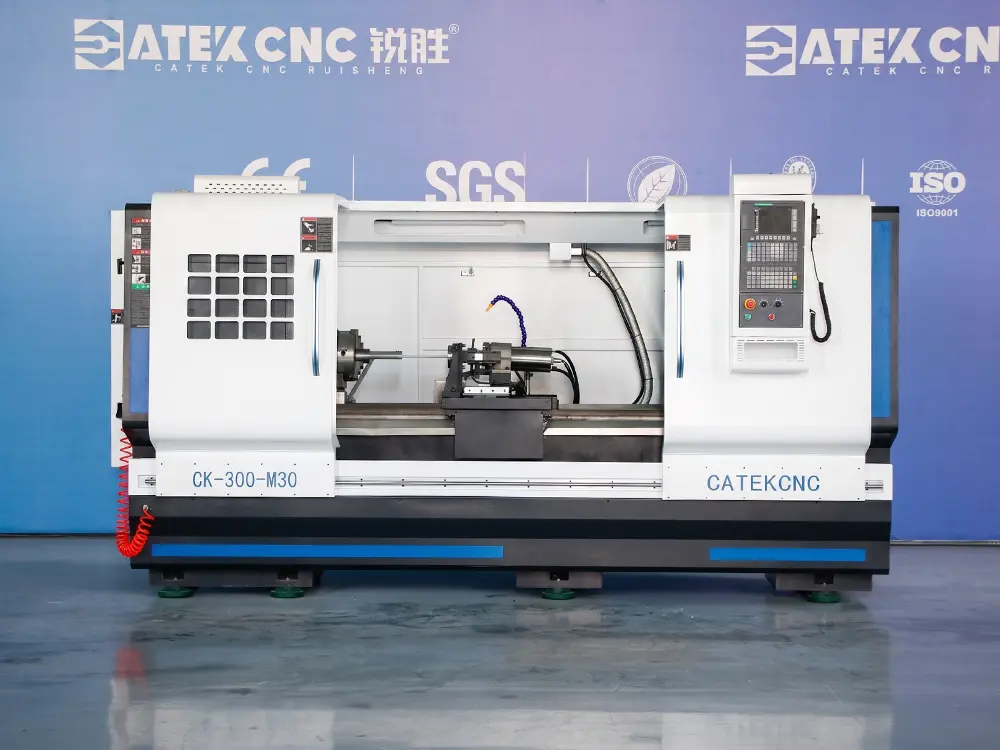
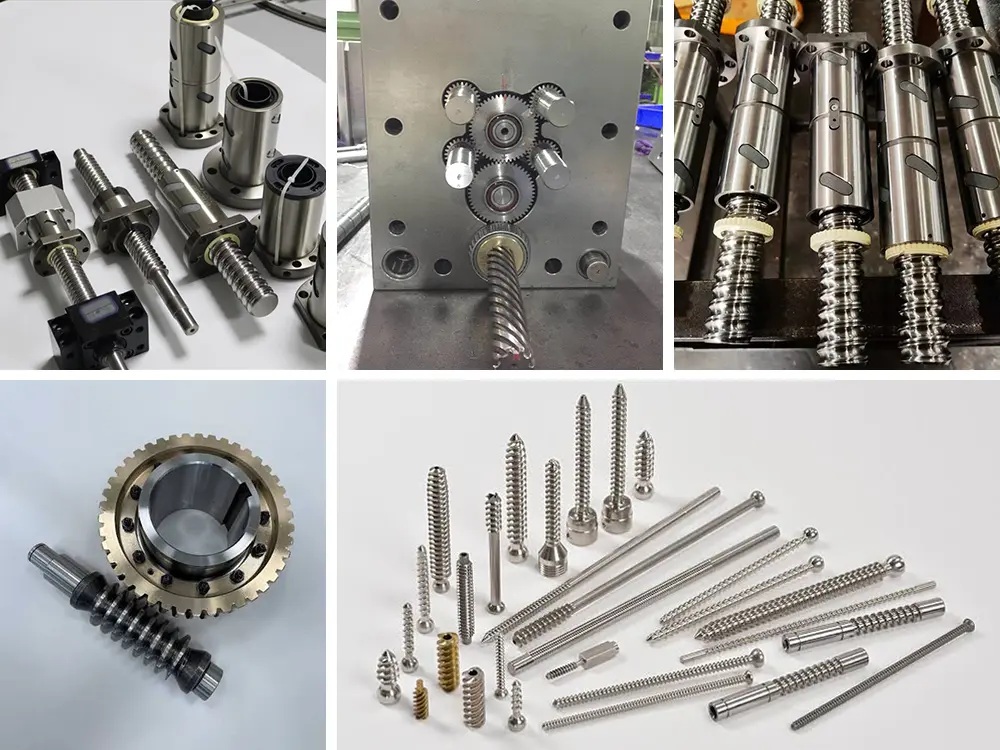
CK-300-M30 is a CNC external whirling machine specially designed for external thread machining. The machine adopts a side-mounted external cutter head structure, machining the workpiece through the combination of low-speed workpiece rotation, high-speed cutter head rotation, and synchronized axial feed motion. During the machining process, multiple cutting inserts engage in cutting sequentially, which significantly improves machining efficiency while reducing heat accumulation caused by continuous cutting with a single insert. To meet the strict requirements for machine accuracy and stability in precision screw machining, the machine is manufactured with rigorous precision control. The repeat positioning accuracy of each axis can reach 0.002 mm, while the axial and radial runout of the spindle is controlled within 0.003 mm. These capabilities effectively ensure thread lead accuracy, thread profile accuracy, and consistent quality in batch production. With its high-speed multi-edge cutting capability and high-precision motion control system, the machine is suitable for machining a wide range of power transmission components, including ball screws, lead screws, worm gears, orthopedic screws, pump shafts, extruder screws, feed screws, and other precision threaded parts.
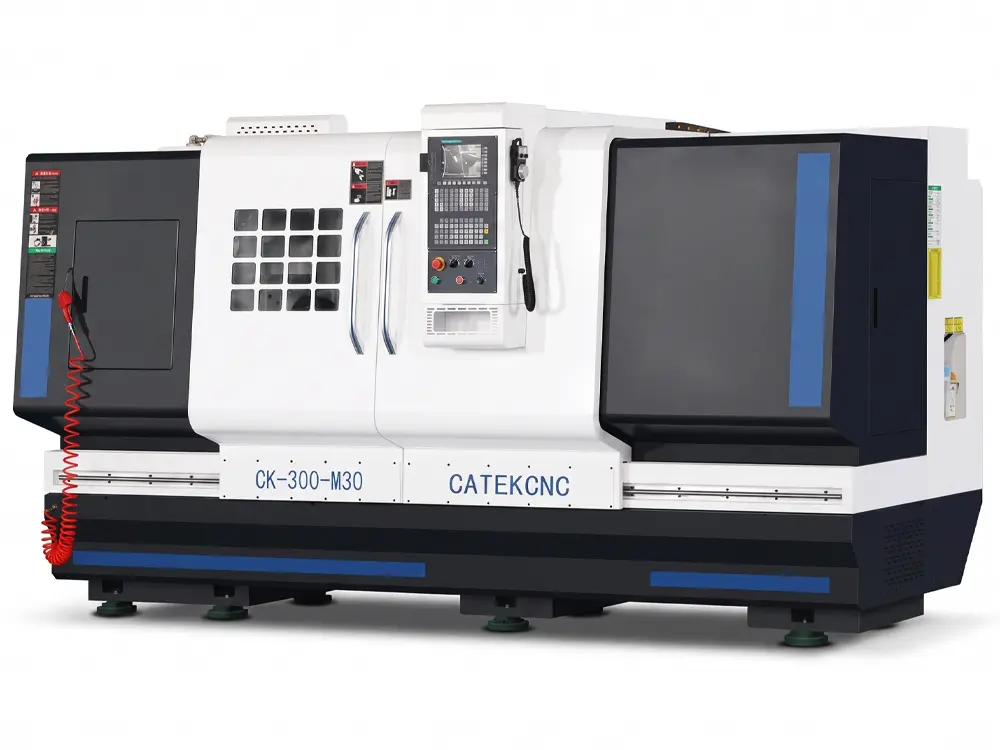
CK-300-M30 is a high-precision external thread machine designed for screw manufacturing. The machine uses a high-speed rotating cutter head or grinding wheel to perform milling or grinding operations on the workpiece, while the workpiece rotates at a low speed. During machining, the cutter head rotates at high speed and moves synchronously with the workpiece. The cutting inserts continuously engage the material along a circular path, while the axial feed generates a helical trajectory, enabling precise thread forming.
The CK-300-M30 precision screw whirling machine supports multiple machining tools. According to different material characteristics and processing requirements, it can be equipped with a whirling cutter head featuring multiple cutting inserts or a grinding wheel, enabling efficient machining of both metal and non-metallic screw components. The machine supports screw machining with diameters ranging from 3 to 120 mm and maximum lengths of up to 1700 mm. It is widely used in the manufacturing of various precision transmission components, including helical threads, ball screws, lead screws, worm shafts, trapezoidal threads, drive shafts, pump spindles, and other power transmission components.
Thread machining requires extremely high levels of motion accuracy and operational stability. The CK-300-M30 precision screw whirling machine features a high-rigidity machine bed structure and implements strict control over critical parameters, including the positioning accuracy of each motion axis, spindle radial runout, cutter head mounting accuracy, and axial/radial runout of the cutter head. These measures ensure that the machining tool moves smoothly and accurately along the programmed trajectory, guaranteeing thread lead accuracy, thread profile accuracy, and consistent quality during batch production.
The repeat positioning accuracy of each linear axis can reach up to 0.002 mm, while both the axial and radial spindle runout are controlled within 0.003 mm. The machined surface roughness can reach Ra 1.6, allowing the machine to meet the high-precision machining requirements of advanced threaded components such as ball screws and precision lead screws.
Details of the External-Tool Thread Whirling Machine
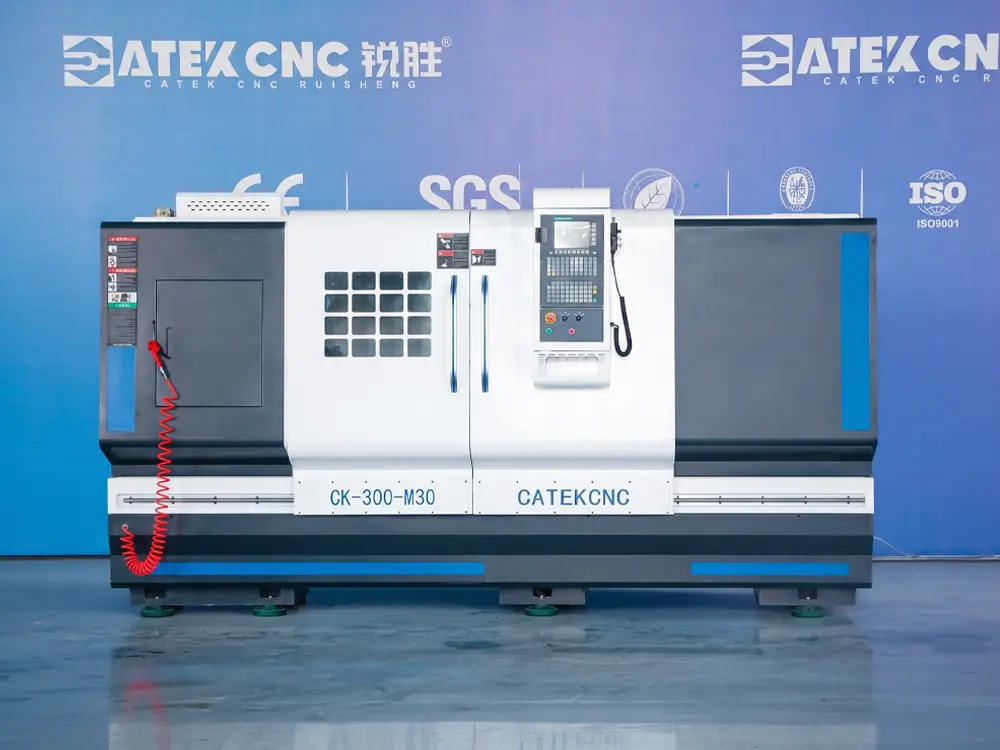
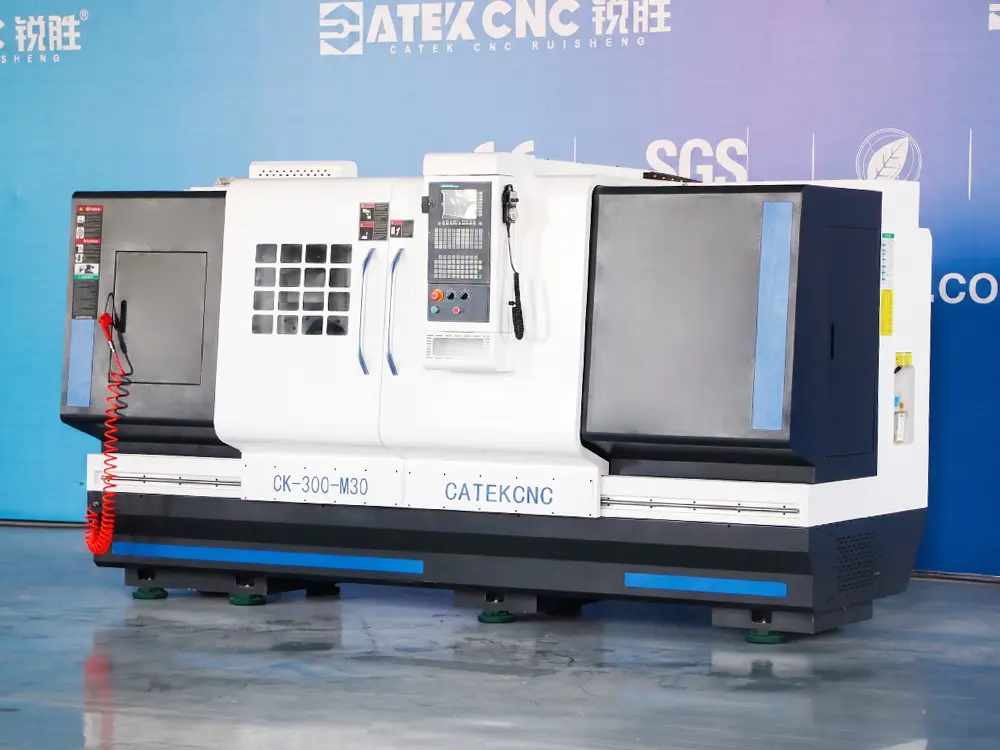
- High-rigidity machine bed
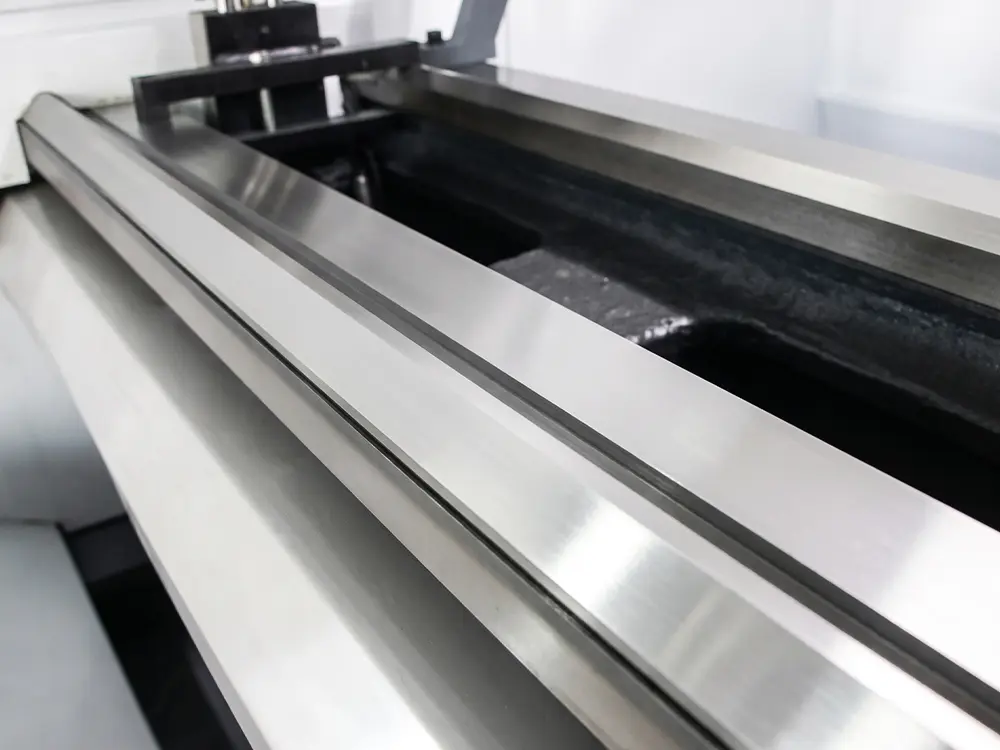
The machine bed, headstock, and tailstock are all manufactured through integral casting and undergo strict heat treatment processes to effectively relieve internal stresses. This enhances structural stability and resistance to deformation, ensuring consistent machining accuracy during long-term operation.

- Fully enclosed machine housing
The machine adopts a fully enclosed housing design, which effectively isolates chips, dust, and noise generated during machining, providing operators with a safer and cleaner working environment.
The housing is equipped with a sliding observation door, allowing operators to monitor the machining process in real time.
- Headstock and tailstock
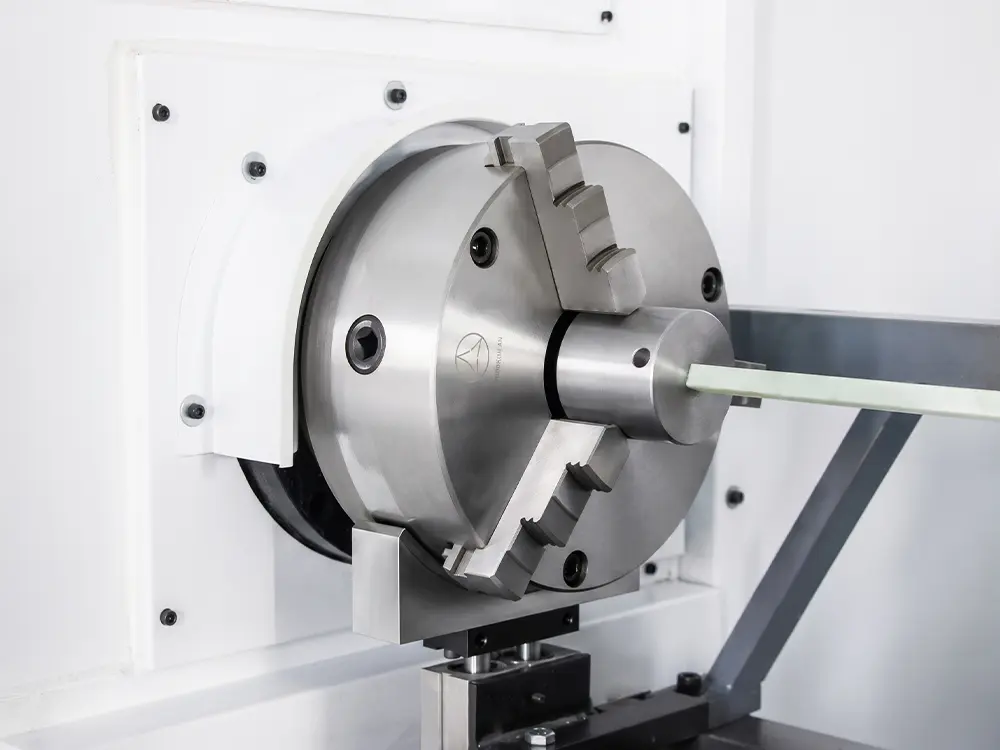
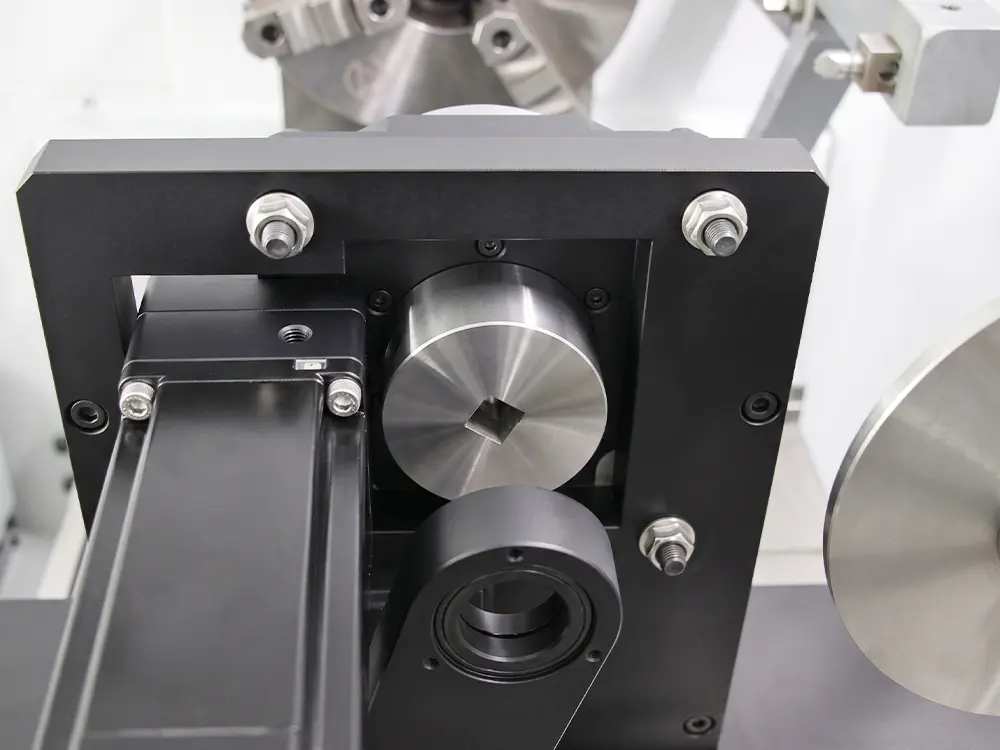
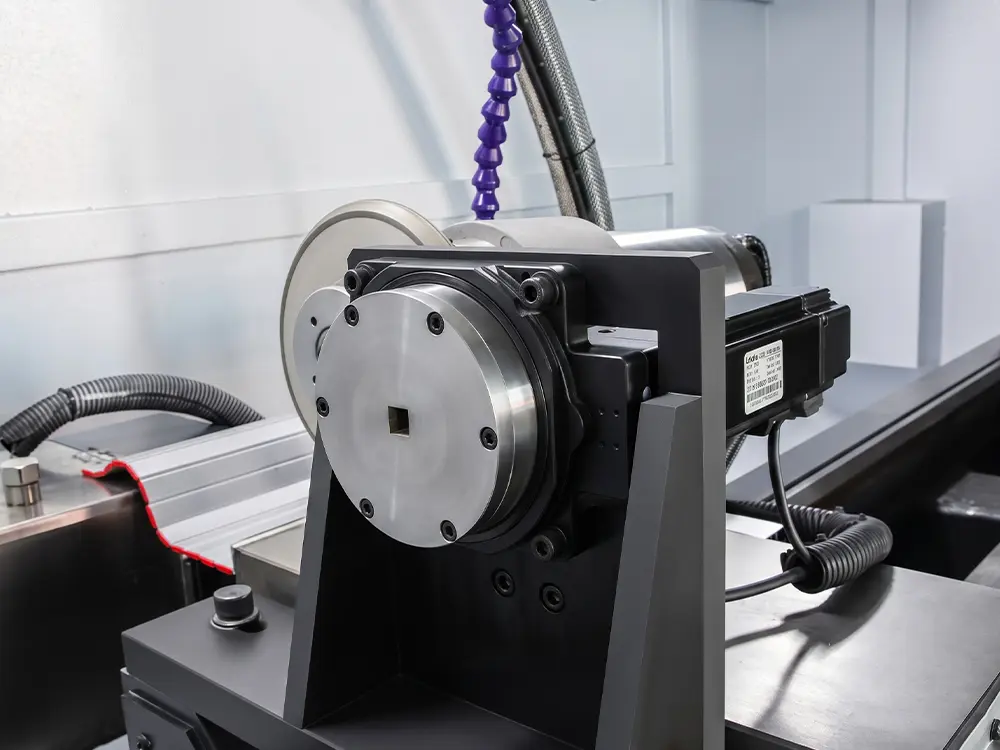
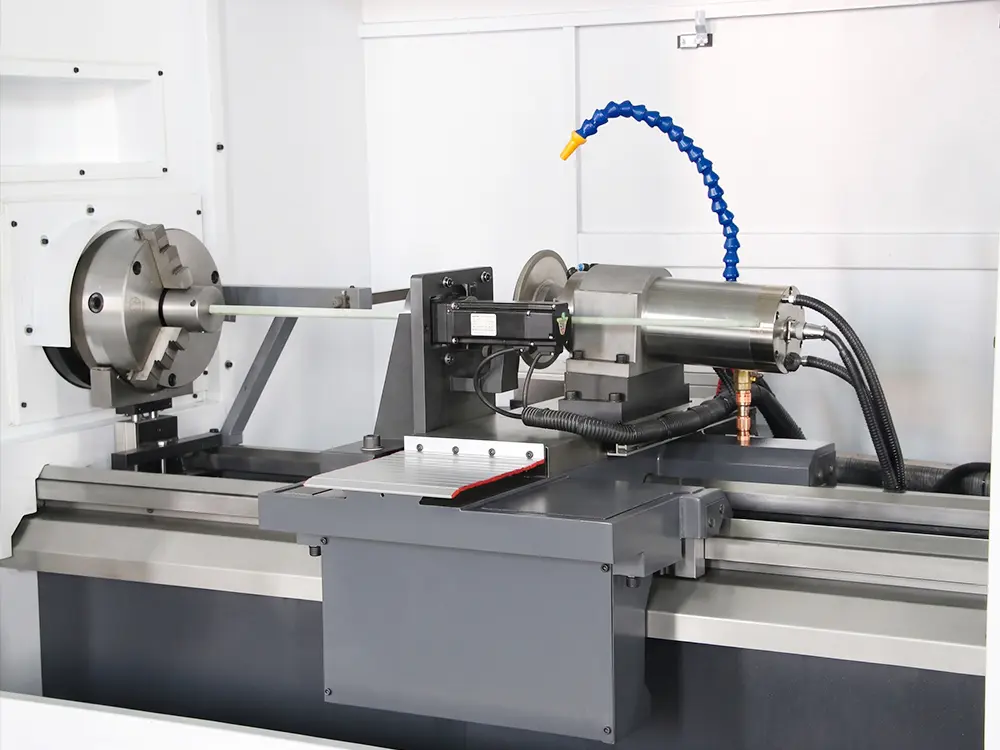
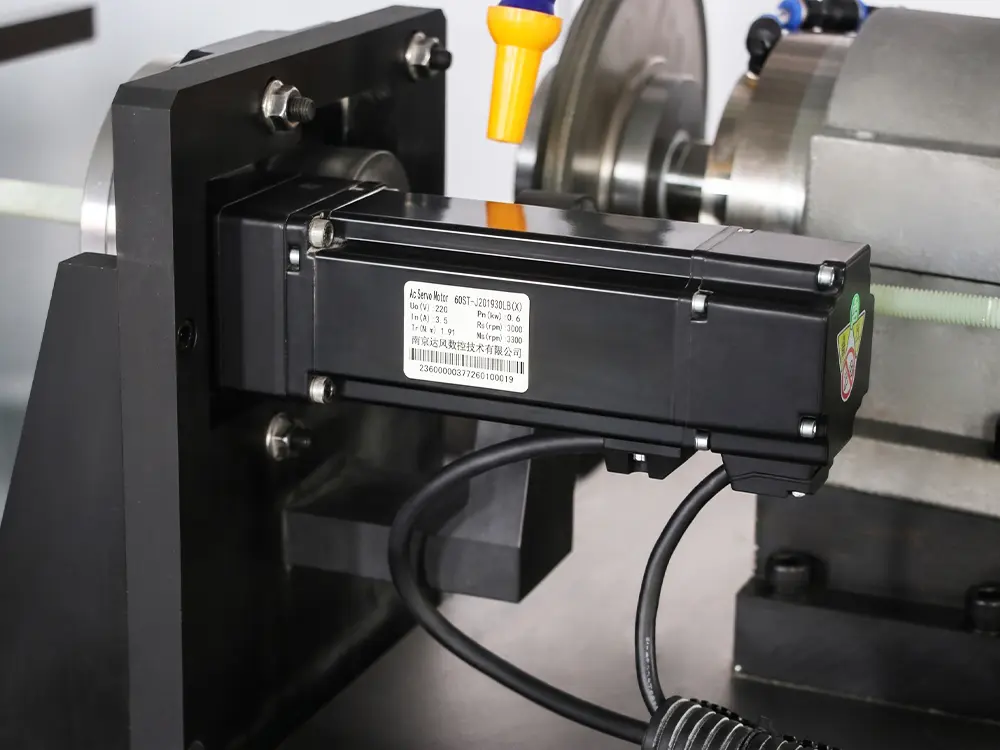
During screw machining, the workpiece is clamped and indexed by the headstock chuck together with a customized steady rest. The steady rest is equipped with a 370W servo motor, which provides auxiliary rotational drive for the workpiece and operates synchronously with the headstock, effectively reducing deflection and vibration of long slender screws.
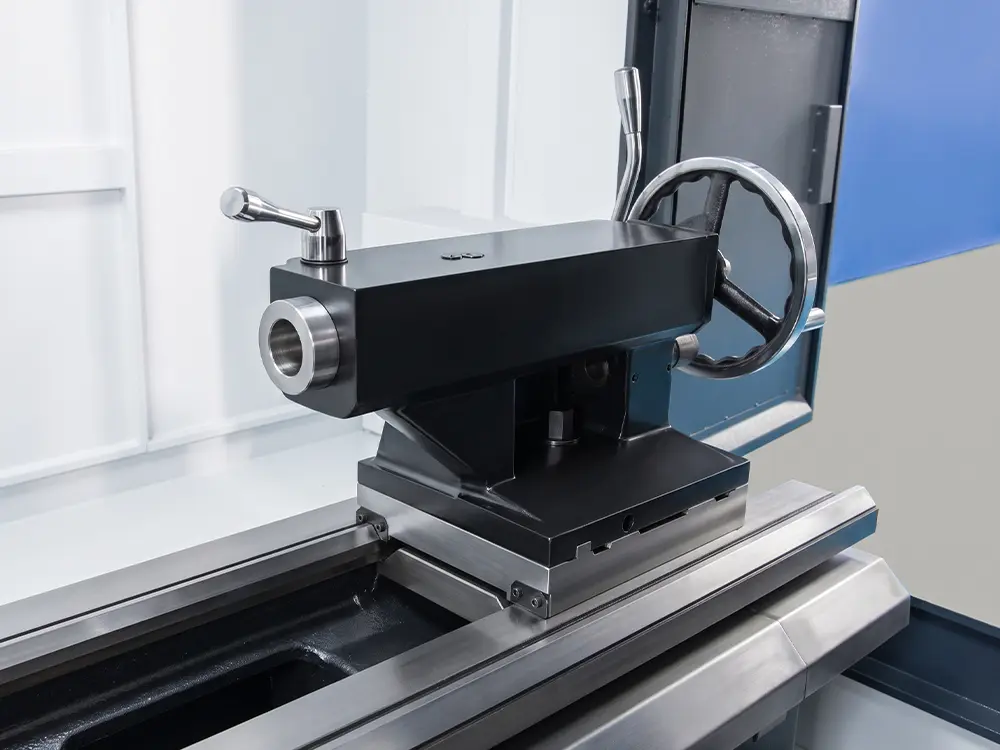
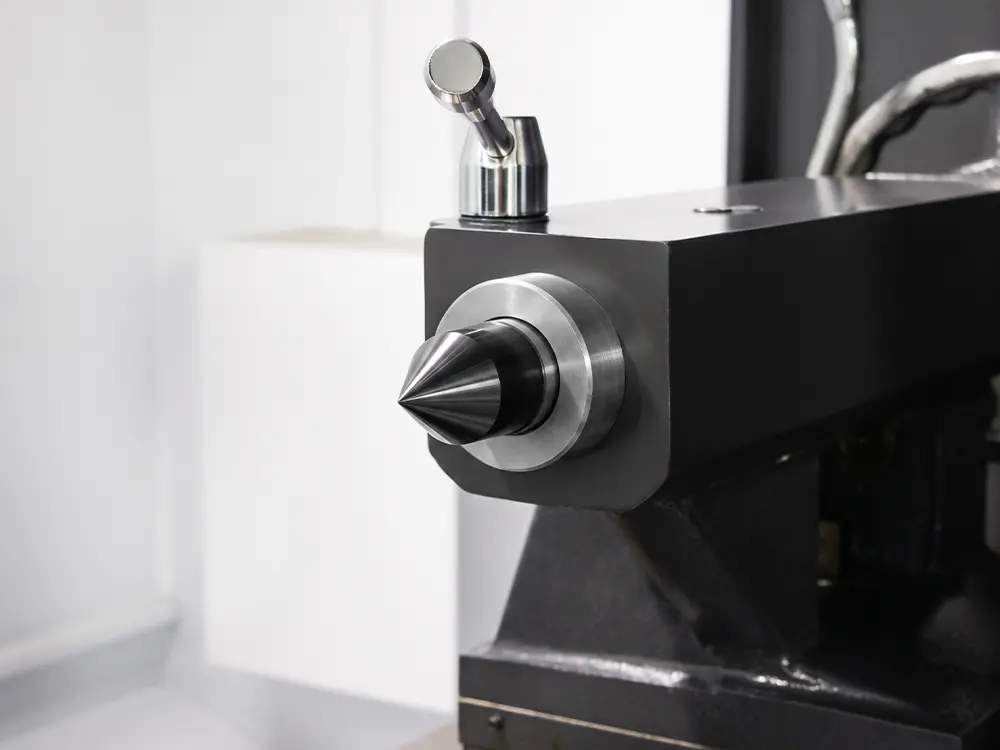
Since the CK-300-M30 thread whirling machine adopts a relatively complete lathe-type structure, it can also perform turning operations after certain modifications, such as replacing the cutter head with a turning tool holder. During turning operations, the workpiece is supported by both the headstock and tailstock, enabling between-centers turning to meet the machining requirements of different workpieces.
- Machining tool
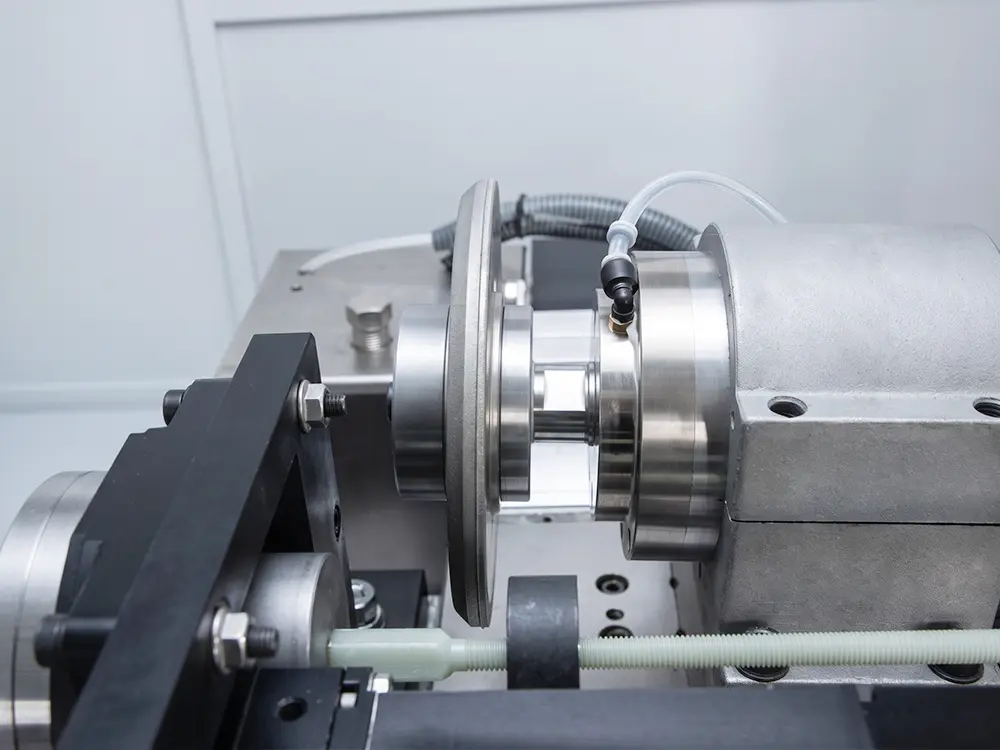
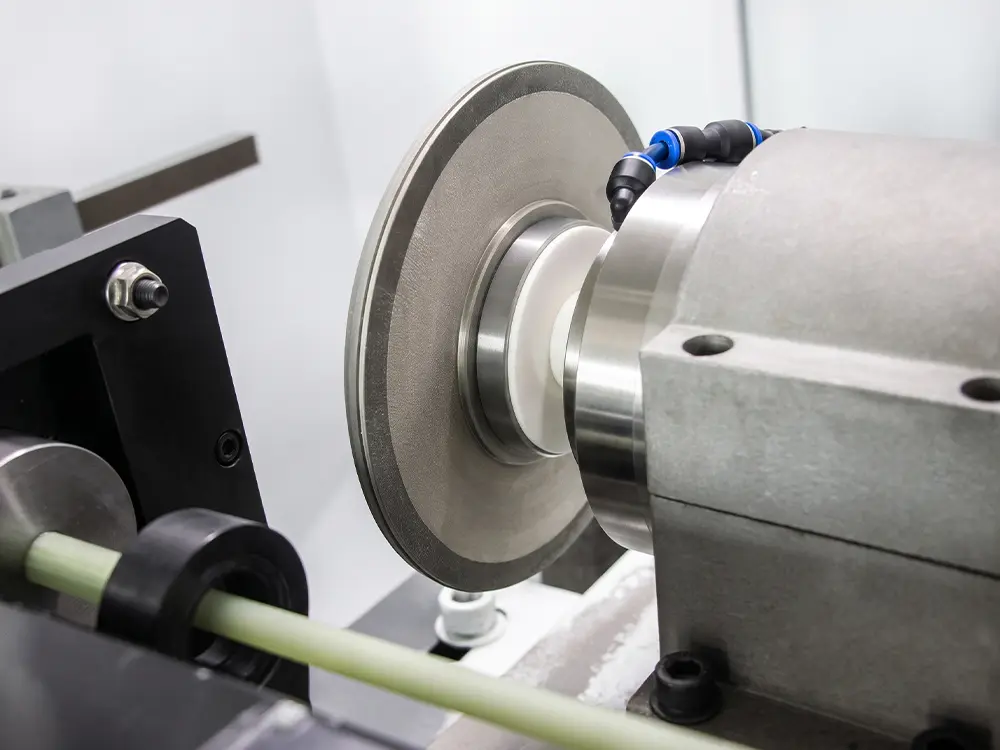
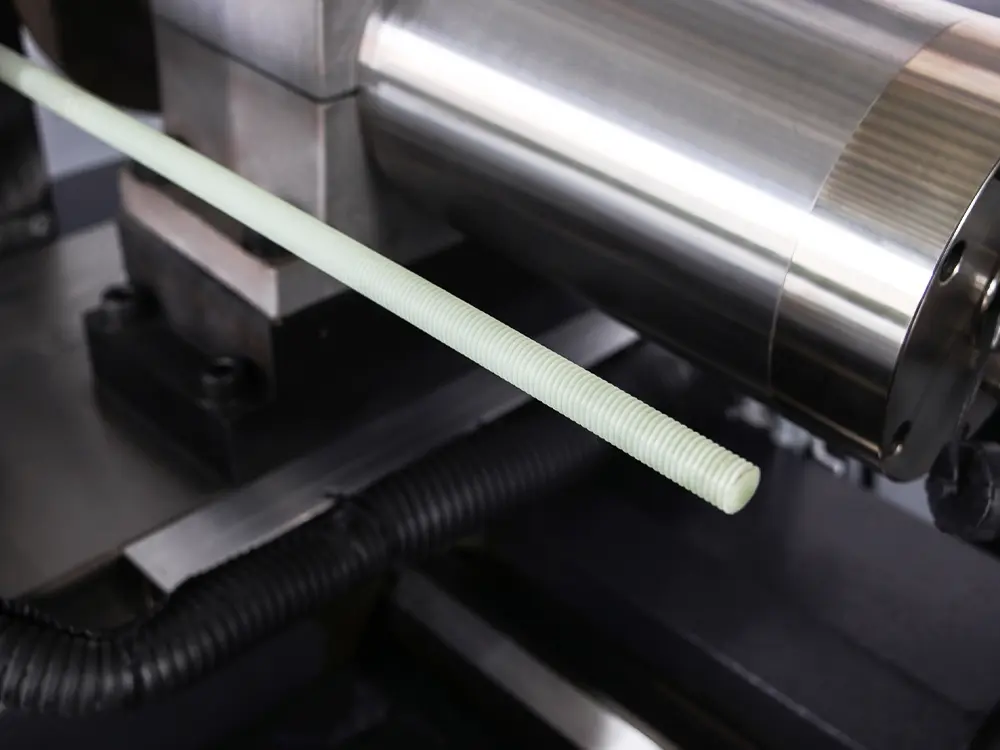
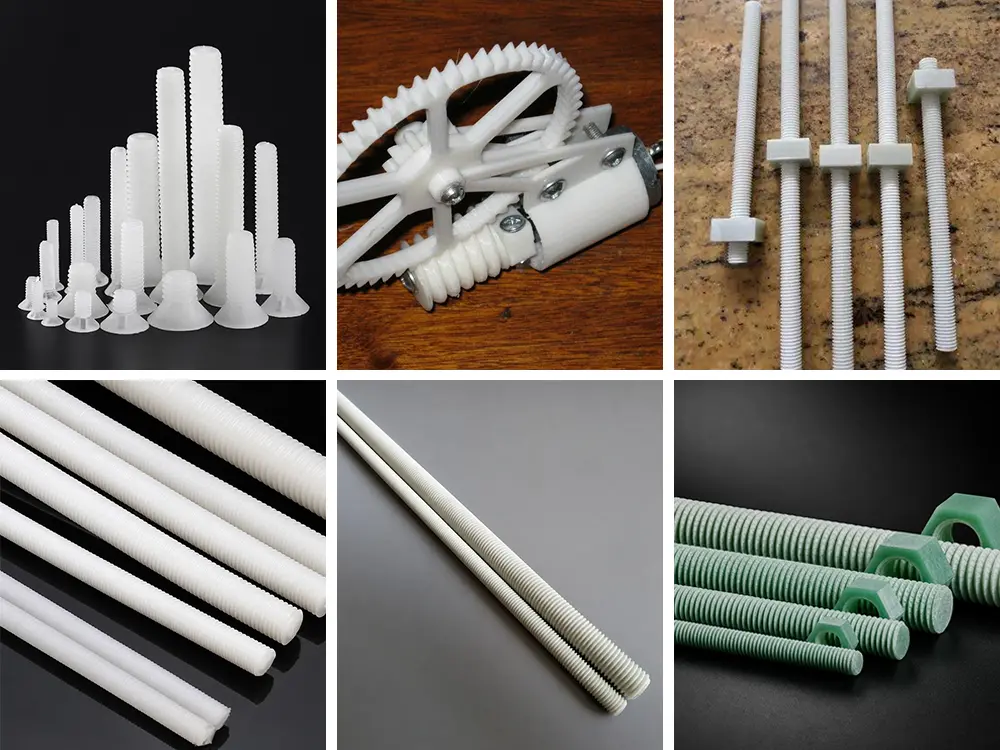
For relatively low-hardness materials such as fiberglass, nylon, polyurethane, and plastics, thread machining can be performed using a grinding wheel, which reduces cutting forces and produces a smoother finish.
For harder metals like steel and stainless steel, thread machining can be performed using a cutter head equipped with multiple carbide inserts for high-speed cutting.
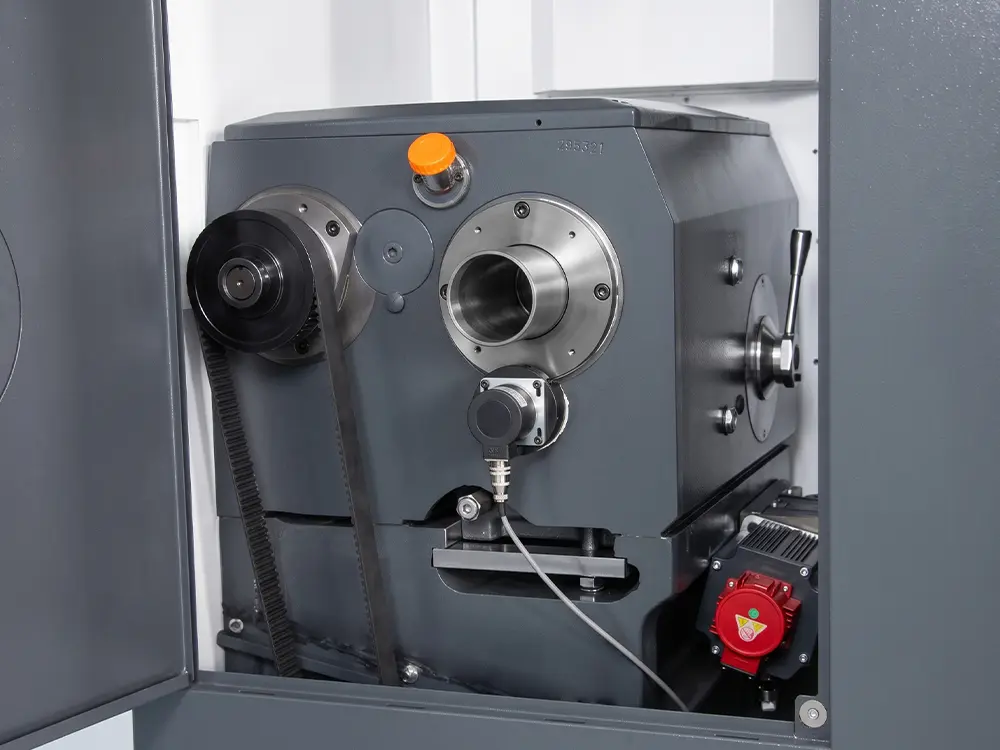
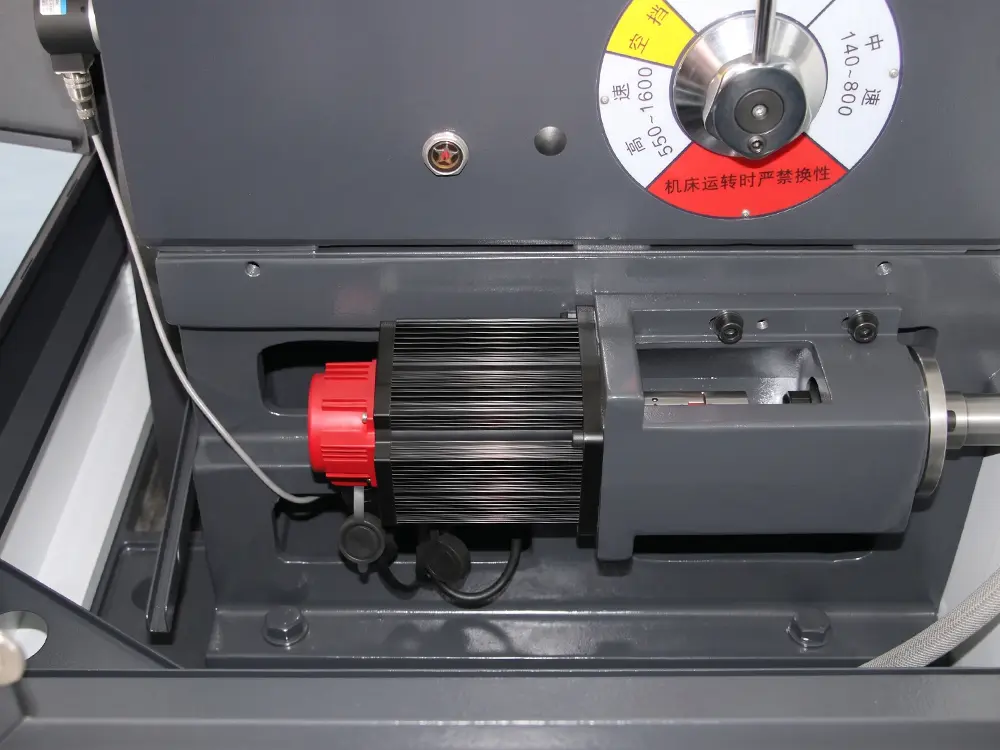
The machine is driven by a 5.5 kW Haotian spindle with a maximum speed of 10,000 r/min. It incorporates angular contact bearings and a precision steel-ball retainer. The spindle end features a dual dust-sealing design to prevent external contamination, and its water-cooling system ensures efficient heat dissipation, preventing overheating even under prolonged operation.
- Diamond dressing tool
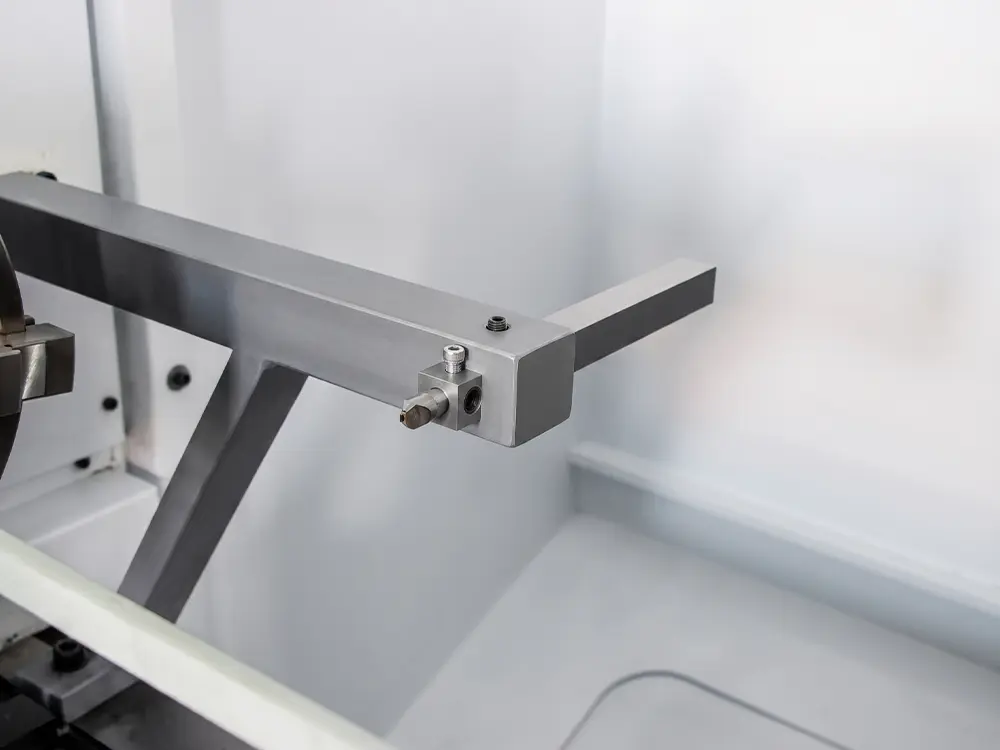
Diamond dressing tools are used to dress the cutting surface of diamond-resin grinding wheels, ensuring consistent grinding performance and optimal machining results.
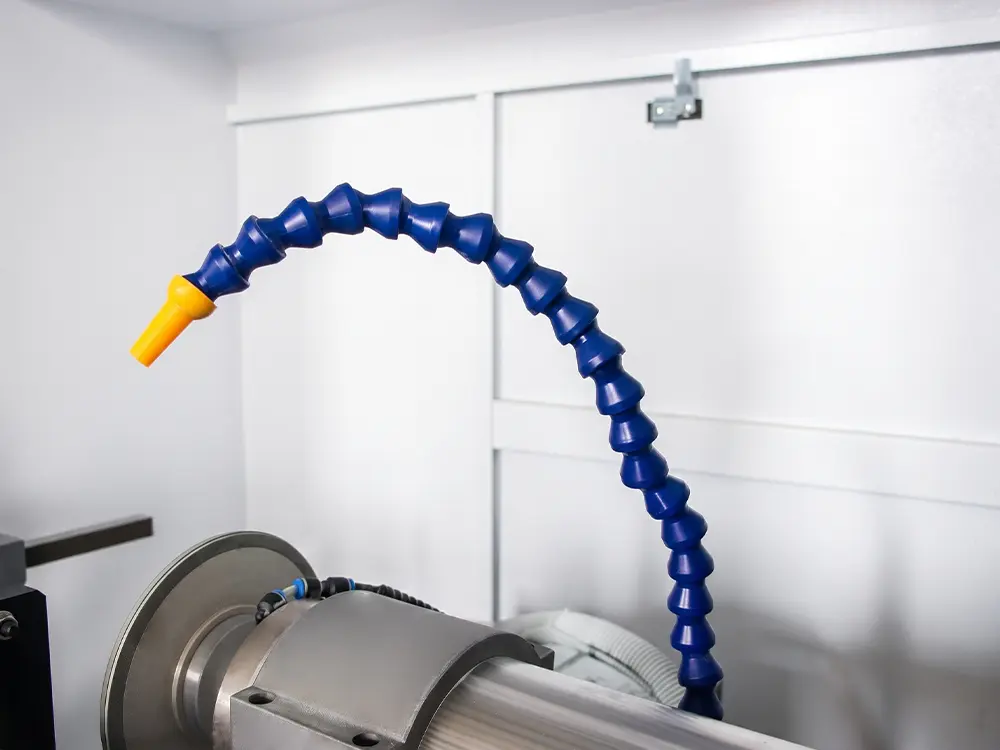
- Flood cooling system
The flood cooling system continuously delivers coolant to the cutting tool and workpiece, effectively reducing the temperature in the cutting zone and minimizing heat accumulation during machining. For high-precision processes such as thread machining, stable temperature control is essential. It helps prevent dimensional deviations caused by thermal expansion of the workpiece or temperature rise of the cutting tool, ensuring thread accuracy and surface quality.
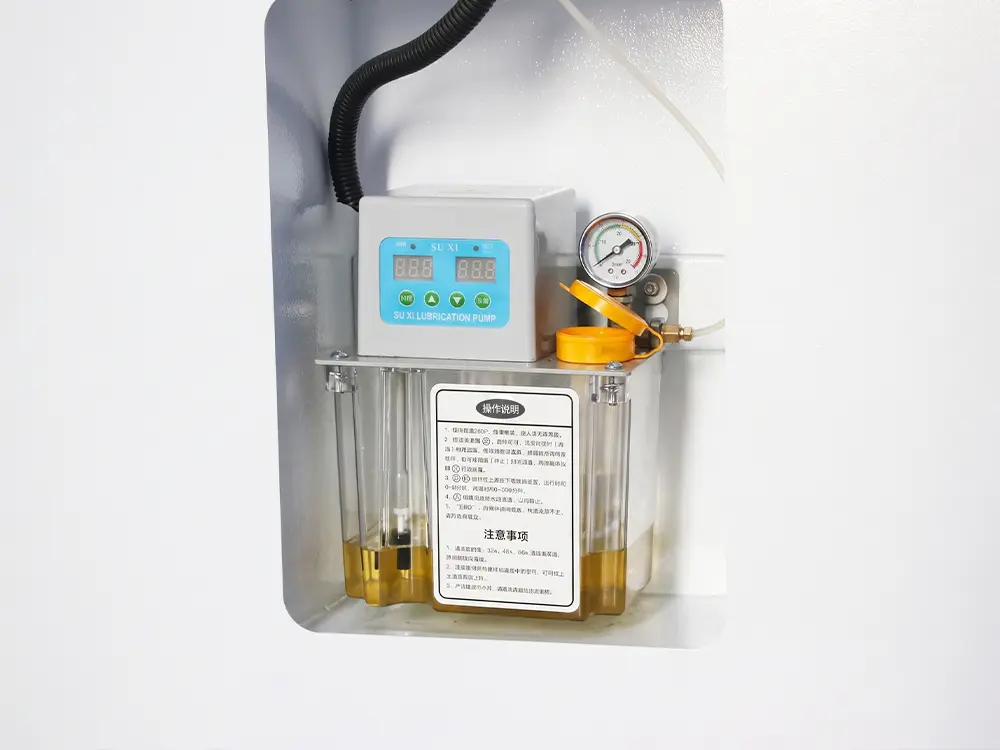
- Automatic lubrication system
The automatic lubrication system provides scheduled lubrication for the guideways, ball screws, and other transmission components of the screw whirling machine. The system supports adjustable lubrication duration and interval settings, allowing the lubrication cycle to be optimized according to the machine’s operating conditions.
The system adopts a transparent oil pump design and is equipped with an oil pressure gauge, enabling operators to monitor the lubrication status in real time. When insufficient oil pressure is detected, the system automatically triggers an alarm to remind operators to replenish lubricating oil in time.
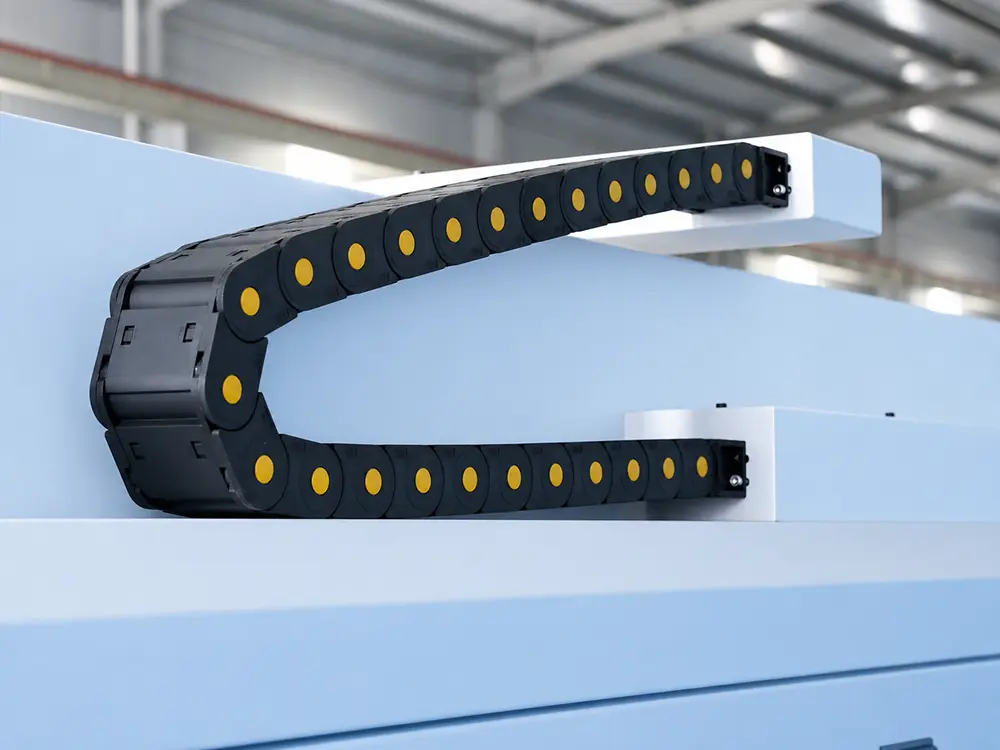
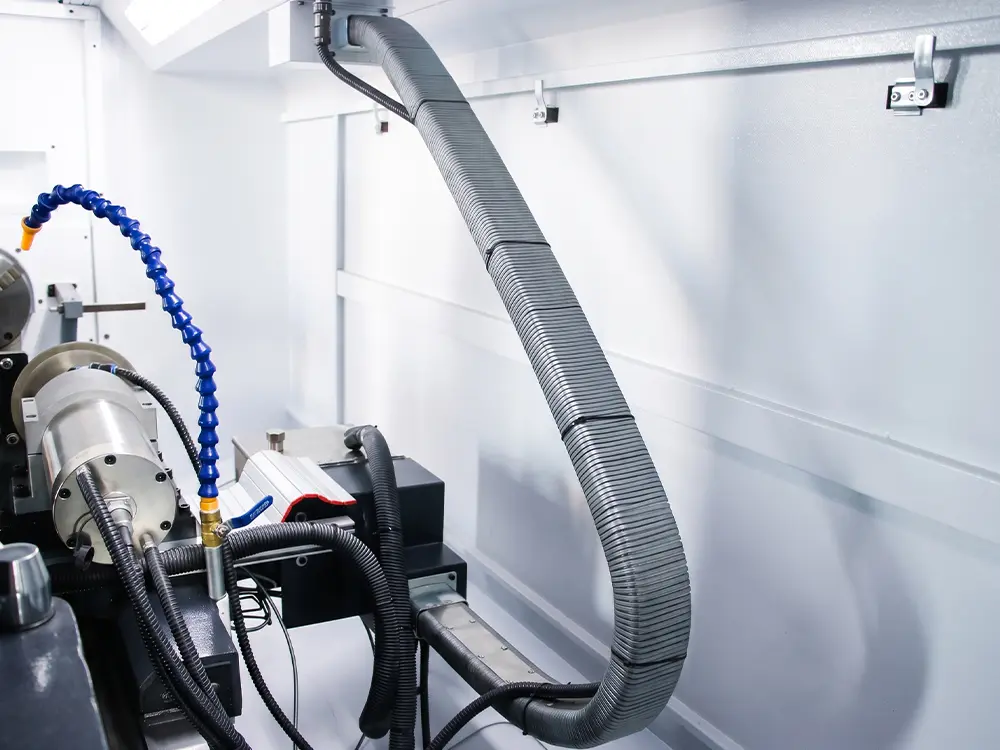
- Cable protection system
All external cables of the machine are protected by fully enclosed cable carriers, effectively preventing excessive bending, pulling, and environmental damage during machine movement, thereby extending cable service life.
For cables located near the machining area that may be exposed to impacts from metal chips, the CK-300-M30 thread whirling machine further adopts metal cable carriers for enhanced protection. These metal carriers are made of wear-resistant flexible metal conduits, effectively blocking high-temperature metal chips ejected at high speed and preventing damage to cables, air hoses, and other pipelines.
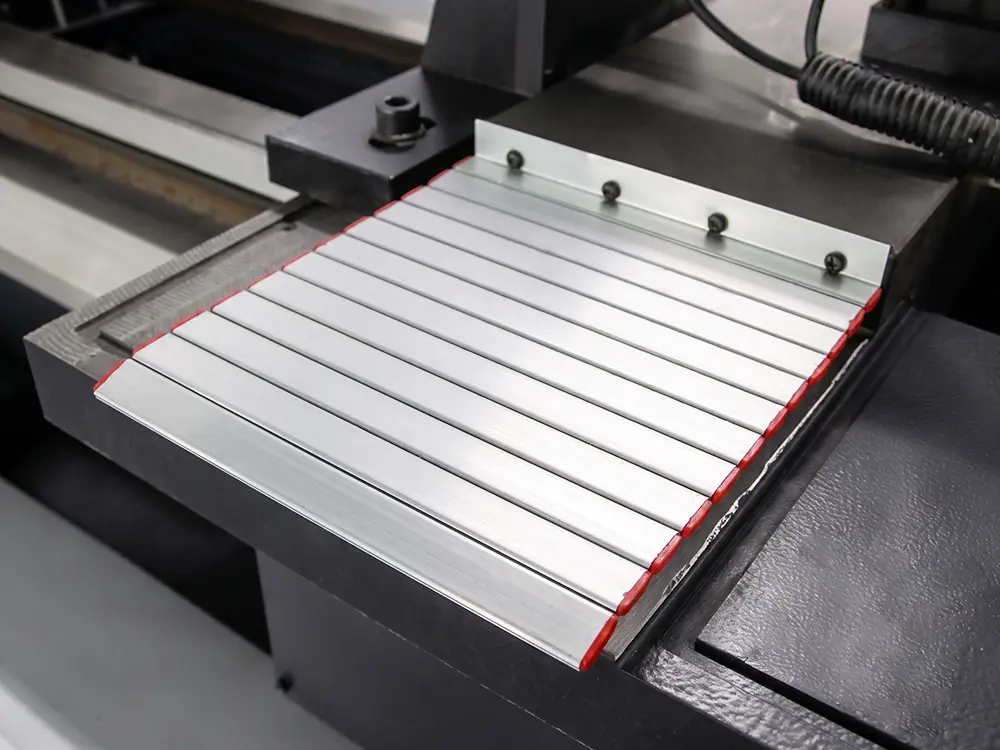
- Machining area protection
Metal machining generates a large amount of high-temperature metal chips, which may damage the machine if not properly contained. The CK-300-M30 thread whirling machine is equipped with double-sided metal protective baffles around the machining area, effectively blocking chips and dust generated during operation and providing long-term protection for stable machine performance.
- Servo system
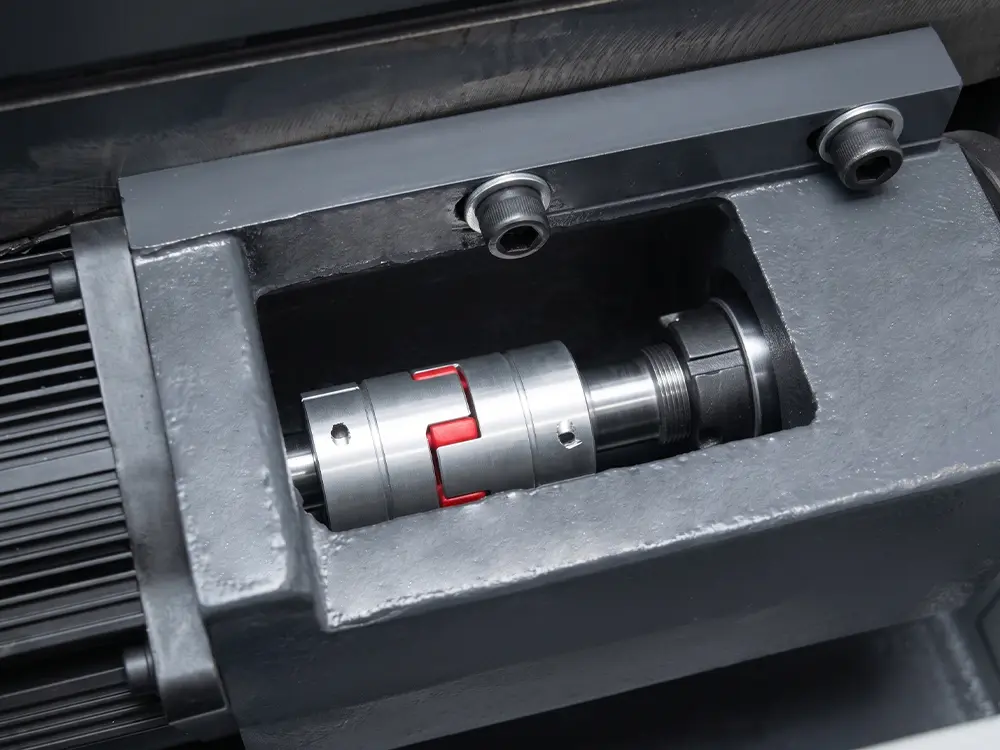
This Thread Whirling Machine uses a combination of motors for different machining functions. The drive spindle (A-axis) is powered by a 7.5 kW WindCNC motor with a rated speed of 3000 r/min.. The steady-rest rotation motor (C-axis) uses a 0.37 kW WindCNC motor with a speed of 3000 r/min. The grinding wheel feed axis (X-axis) is driven by a 1.7 kW WindCNC motor with a speed of 3000 r/min, while the machining tool travel axis along the machine bed (Z-axis) uses a 2.3 kW WindCNC motor with a speed of 3000 r/min.
- Transmission system
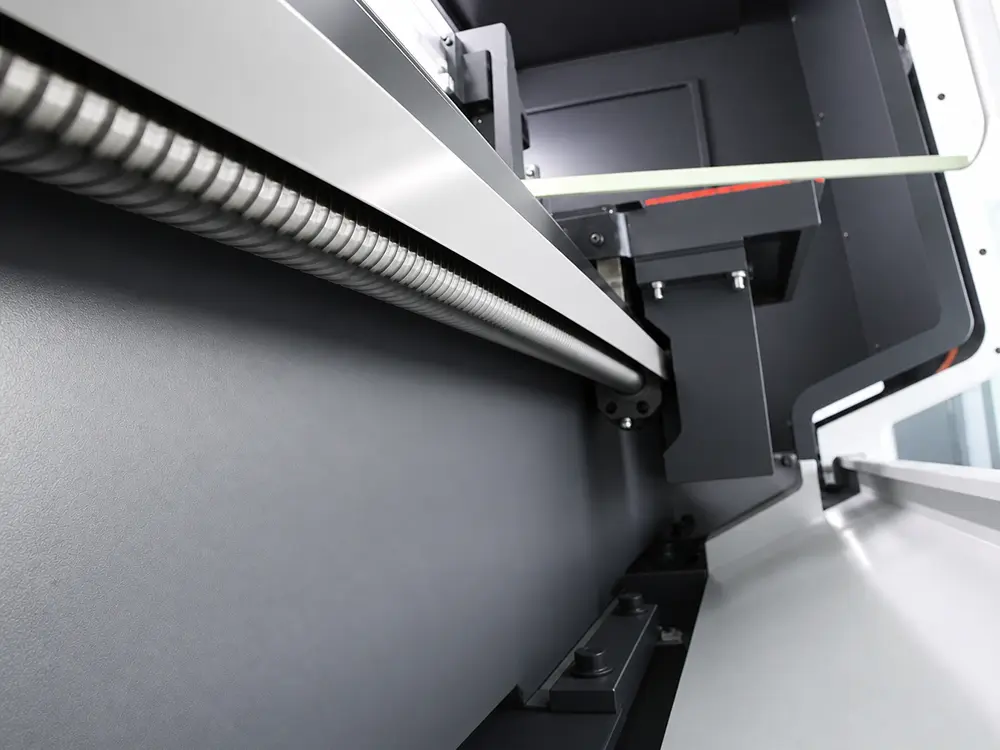
The Z-axis of the thread whirling machine adopts a precision ball screw transmission system. Compared with rack-and-pinion transmission, ball screws operate at relatively lower speeds but provide higher positioning accuracy and lower transmission errors, making them more suitable for screw machining applications that require high thread pitch accuracy and profile accuracy.
To ensure long-term machining precision and stability, the machine is equipped with Hanjiang precision ball screws and linear guideways, offering high rigidity, high accuracy, and excellent precision retention.
- Electrical components
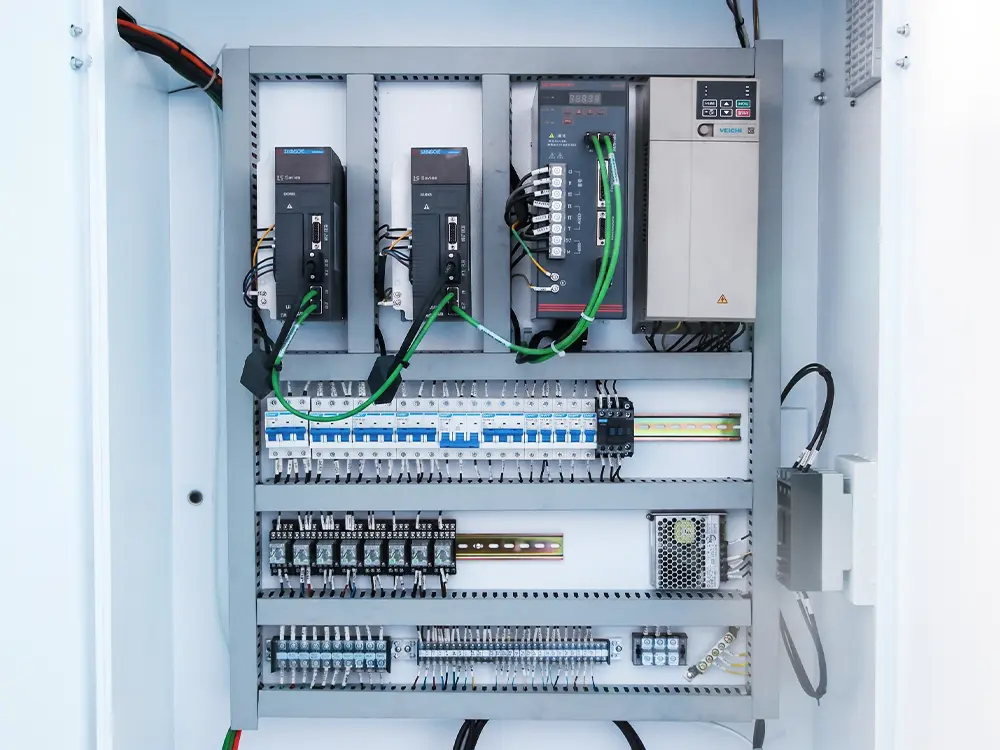
Electrical cabinet features a standardized layout design, with clearly arranged internal components and organized wiring. Key components inside the cabinet, including the main power supply, servo drives, circuit breakers, AC contactors, relays, and 24V power supply, are neatly arranged to ensure stable coordination between control modules.
Circuit breakers, AC contactors, and relays are sourced from well-established brands such as Delixi or Chint, further enhancing the safety, reliability, and service life of the electrical system.
- Control system
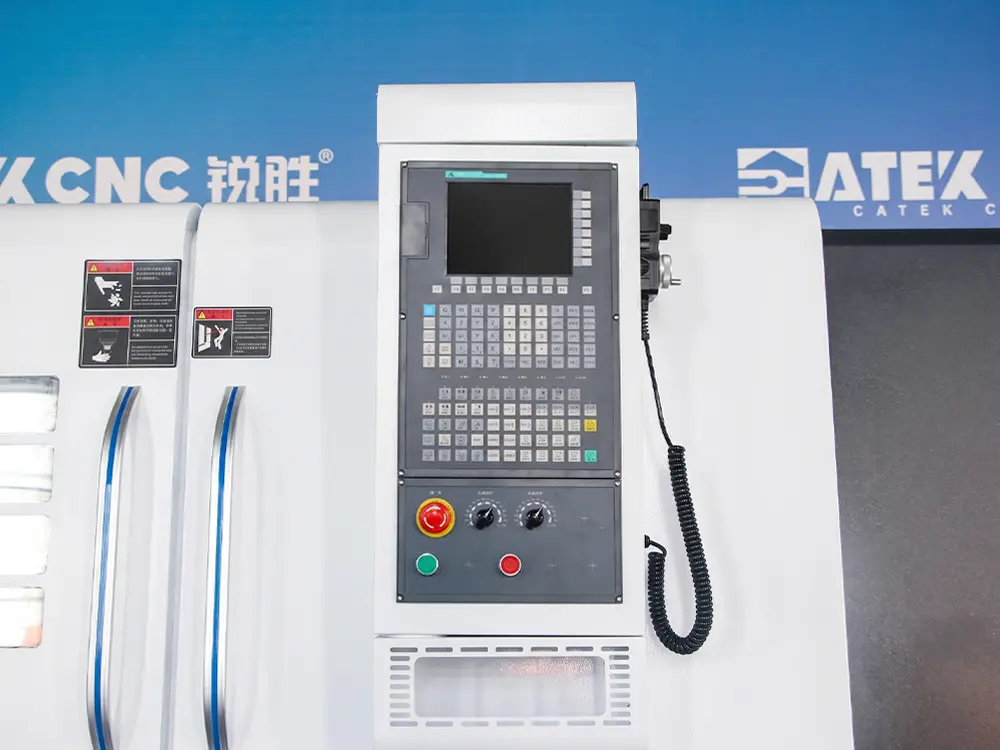
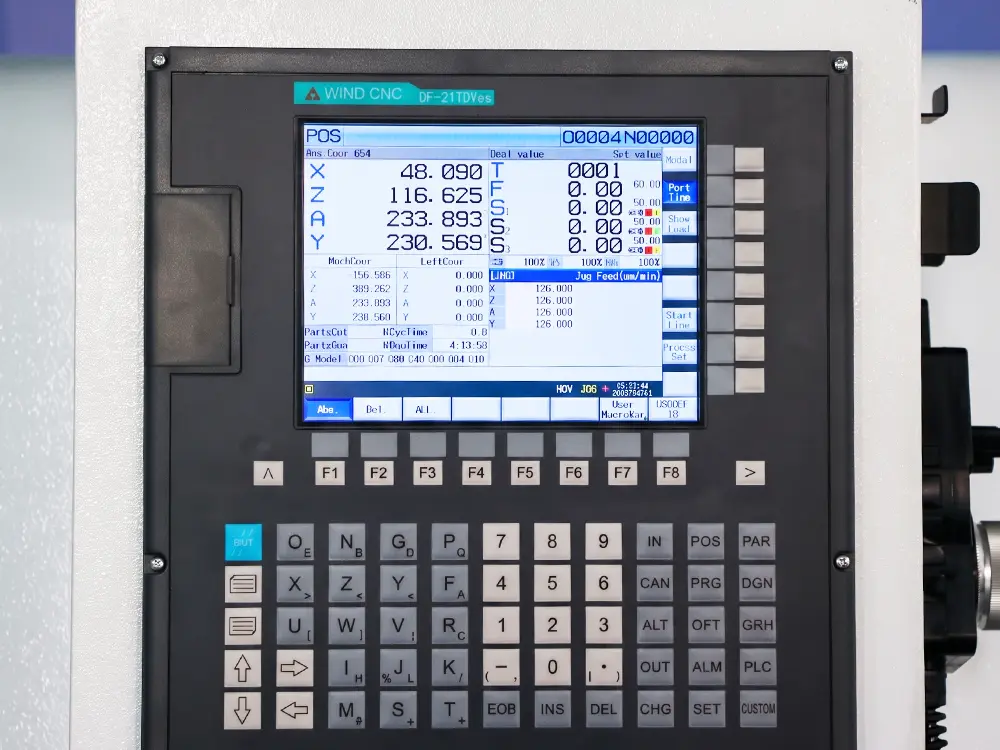
The CK-300-M30 thread whirling machine is equipped with the WIND DF-21TDVes bus-type CNC system. Based on a new-generation hardware platform, the system integrates second-generation high-speed and high-precision control algorithms, improving system response speed and motion control accuracy. This enables the machine to maintain stable machining performance during complex thread processing.
The operation interface has been redesigned based on a user-oriented concept. Equipped with an 8-inch display, the optimized menu system improves user experience and enhances operational efficiency.
- MPG
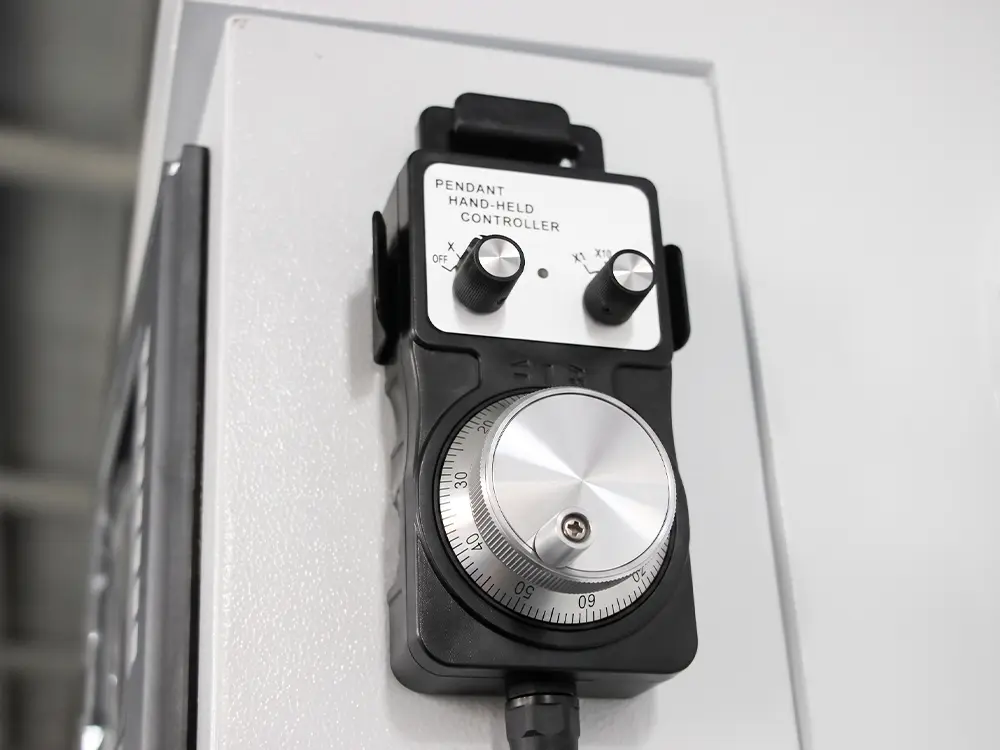
The MPG is used for machine setup, debugging, and manual axis adjustment during machining. It supports 4-axis selection, feed rate selection, and pulse generation functions, allowing operators to control each motion axis with greater flexibility and precision.
The connecting cable adopts a shielded spiral spring cable, providing excellent resistance to stretching and electromagnetic interference. After 200,000 stretching durability tests, the cable maintains stable signal transmission performance.
The handwheel housing is manufactured from flame-retardant nylon, while the control panel adopts a metal construction with engraved lettering. This design ensures long-term clarity and durability, preventing the markings from wearing away during extended use.
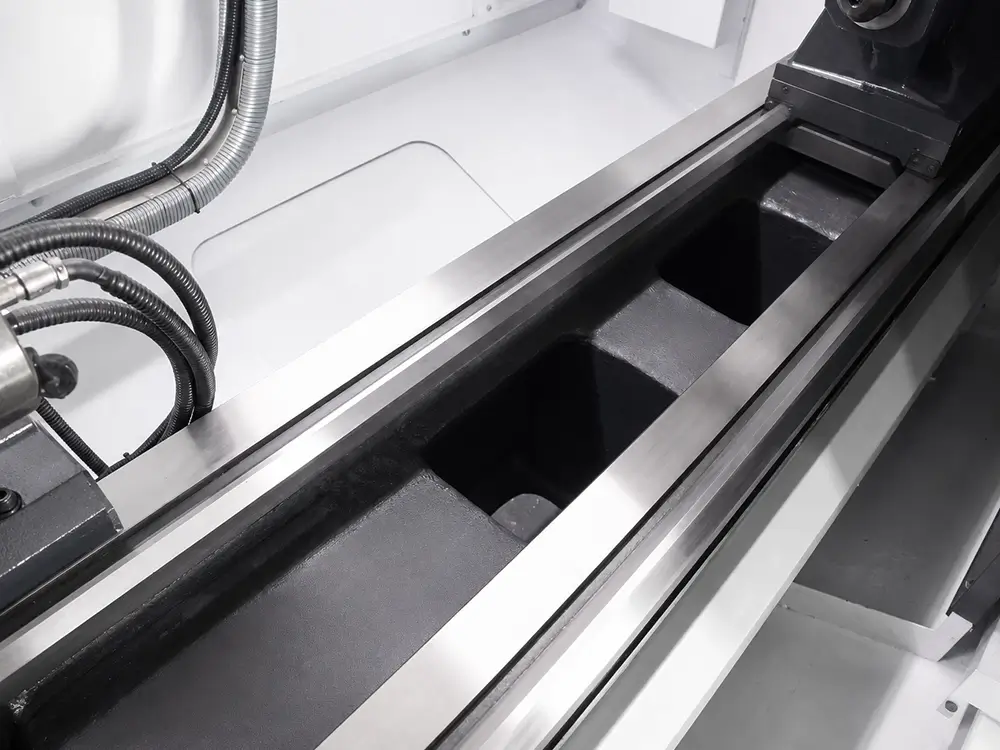
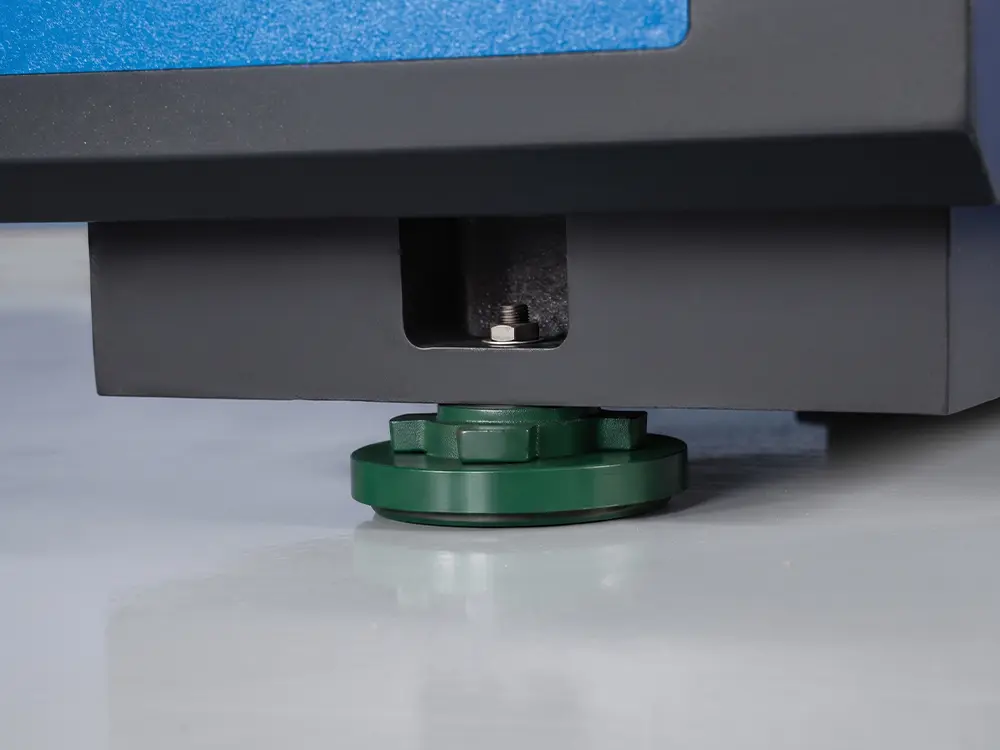
Technical Parameters of the External-Tool Thread Whirling Machine
| Model | CK-300-M30 |
|---|---|
| Machine Bed | Heavy-duty cast iron machine bed with fully enclosed housing |
| Maximum Machining Length | 1700 mm |
| Maximum Machining Diameter | 120 mm |
| Minimum Machining Diameter | 3 mm |
| Applicable Helix Angle Range | Helix angle up to 20° |
| Machined Surface Roughness | ≤Ra 1.6 |
| A-Axis Motor | WindCNC 7.5kw servo motor |
| A-Axis Rotation Speed | 0–3000 r/min |
| Linear Axis Motor | X axis: WindCNC 1.7kw servo motor |
| Z axis: WindCNC 2.3kw servo motor | |
| Linear Axis Travel Speed | X axis: 6000 mm/min |
| Z axis: 10000 mm/min | |
| Linear Axis Positioning Accuracy | ≤0.015 mm |
| Linear Axis Repeat Positioning Accuracy | ≤0.01 mm |
| C-Axis Motor | WindCNC 370W servo motor |
| C-Axis Positioning Accuracy | ≤5″ |
| C-Axis Repeat Positioning Accuracy | ≤2.5″ |
| Machining Spindle | Haotian 5.5kw water-cooled spindle |
| Machining Spindle Speed | 0–10000 r/min |
| Control System | WIND DF-21TDVe |
| MPG | 4-Axis electronic pulse handwheel |
| Lubrication System | Centralized lubrication system |
| Power Supply | AC 380 V |
| Dimensions | 3650*1660*2090mm |
| Weight | 2000kg |
What Is Thread Whirling?
Thread whirling is a highly efficient external thread machining technology that uses a high-speed rotating cutter head to produce precision threads. By installing multiple cutting inserts on the rotating cutter head, the tool rotates at high speed and continuously engages the workpiece. Meanwhile, the workpiece rotates at a relatively low speed, and the synchronized motion between the cutter and workpiece generates a helical cutting trajectory, ultimately forming accurate threads.
In the narrow sense, a Thread Whirling Machine usually refers to a Ring-Type Thread Whirling Machine. This structure uses a ring-shaped cutter head that surrounds the workpiece. Multiple form cutting inserts are evenly arranged along the circumference and installed on the inner diameter of the cutter head. Thread machining is achieved through the synchronized coordination of cutter rotation, workpiece rotation, and axial feed motion.
The CK-300-M30 External-Tool Thread Whirling Machine adopts a side-mounted external cutter head design. The cutting inserts are mounted on the outer circumference of the cutter head, and the cutter head approaches the workpiece from the side for machining. However, the machine still uses a high-speed rotating multi-insert cutter head for thread cutting and forms the helical profile through synchronized rotation and axial feed between the tool and workpiece. Therefore, it remains within the scope of Whirling machining and can be considered a specialized form of Thread Whirling technology. This type of machine is commonly referred to as an External-Tool Thread Whirling Machine. Compared with Ring-Type Thread Whirling Machines, it has slightly lower machining efficiency but offers better workpiece adaptability. It is capable of machining screws with larger diameters, while also providing smoother chip evacuation during processing. In addition, since the contact area between the tool and workpiece is located outside the cutter head, the machining process is more visible, making tool adjustment and maintenance more convenient.
What Are the Advantages of Thread Whirling Compared with Thread Turning?
Thread turning is the most traditional and widely used method for thread machining. During the process, the workpiece is mounted on the lathe spindle and rotates at high speed, while a single-point turning tool fixed on the tool holder moves axially and gradually cuts the workpiece to form the thread profile.
The advantages of thread turning include high equipment versatility, a wide machining range, mature technology, and the ability to process various thread specifications. However, its limitations are also significant. Since thread turning relies on single-point cutting, machining efficiency is generally lower, and multiple passes are usually required to achieve the final thread depth. In addition, thread turning applies relatively large radial cutting forces to the workpiece, which may cause bending deformation when machining long slender screws.
Compared with conventional thread turning, Thread Whirling offers significant advantages. Thread whirling uses a high-speed rotating multi-insert cutter head, where the cutting force mainly acts in the tangential direction with relatively low radial loading. This effectively reduces workpiece vibration and deformation.
Furthermore, because the cutting inserts engage the workpiece intermittently, cutting heat can be dissipated more effectively. This enables higher machining efficiency, improved process stability, and more consistent thread quality.
What Is the Accuracy of the CK-300-M30 Screw Whirling Machine?
Thread machining is inherently a high-precision process, particularly for threads used in power transmission and positioning systems. Components such as ball screws, lead screws, worm shafts, and other precision screw parts demand substantially higher accuracy than standard fastening threads.
Although some manufacturers claim that their screw milling machines provide “ultra-high precision” or “ultra-precision” machining capabilities, we believe that actual measured data is the most reliable way to evaluate performance. To verify the real machining accuracy of the CK-300-M30 Screw Whirling Machine, we conducted a systematic professional accuracy inspection
| Inspection Item | Measured Value |
|---|---|
| Straightness of longitudinal guideway in the vertical plane | Dc=2000, 0.015; local tolerance ≤0.01 over any 500 mm measuring length |
| Parallelism of transverse guideway in the vertical plane | 0.015/1000 |
| Straightness of slide movement in the horizontal plane | Dc=2000, 0.015 |
| Radial runout of spindle locating journal | 0.004 |
| Radial runout of spindle taper bore axis | 0.01 |
| Parallelism between spindle axis and slide movement (YZ plane) | 0.015/300 |
| Parallelism between spindle axis and slide movement (ZX plane) | 0.011/300 |
| Parallelism between tailstock quill taper bore axis and slide movement (YZ plane) | 0.01/300 |
| Parallelism between tailstock quill taper bore axis and slide movement (ZX plane) | 0.011/300 |
| Parallelism of X-axis tool holder surface in Z direction | 0.003/150 |
| Parallelism of X-axis tool holder surface in X direction | 0.01 |
| X-axis repeat positioning accuracy | 0.002 |
| Z-axis repeat positioning accuracy | 0.0022 |
| Cutter head mounting accuracy | 0.025 |
| Cutter head runout (axial) | ≤0.03 |
| Cutter head runout (radial) | ≤0.025 |
All measurement values above are in mm.
Through strict control of the machine structure, motion axis accuracy, and machining unit installation precision, the CK-300-M30 Thread Whirling Machine ensures accurate coordination between the cutter trajectory and workpiece rotational motion, providing a stable foundation for high-precision thread machining.
Note: The above data is obtained from inspection of a test machine. Actual measurement results may vary depending on machine configuration, assembly conditions, and measurement environments.
What Products Can Be Machined by a Thread Whirling Machine?
Plastic Machinery Industry
Thread whirling machines are widely used in the plastic machinery industry for manufacturing critical components such as extruder screws, injection molding machine screws, pelletizing machine screws, and twin-screw extruder screws.
Machine Tool and Automation Equipment Industry
In the fields of machine tools, automation equipment, and precision manufacturing, thread whirling machines are mainly used to machine precision transmission components, including ball screws, lead screws, trapezoidal screws, and various precision threaded shafts.
Automotive Manufacturing Industry
Many actuators and transmission systems in the automotive industry require precision screw components, such as electric power steering (EPS) screws, automotive seat adjustment screws, brake actuator screws, and various motor-driven screw mechanisms. Thread whirling machines can consistently produce high-precision external threads, meeting the requirements of high-volume and high-consistency automotive component production.
Medical Device Industry
In medical device manufacturing, thread whirling machines can be used to produce orthopedic implant screws, precision screws for medical equipment, and transmission components used in surgical instruments.
Pump and Fluid Equipment Industry
In pump manufacturing, thread whirling machines are primarily used for machining components such as screw pump rotors, single-screw pump screws, conveying screws, and special helical shafts.
Agricultural Machinery Industry
Agricultural machinery often relies on screw components for feeding, conveying, and adjustment mechanisms, including feed auger screws, grain conveying shafts, and agricultural equipment lead screws. Thread whirling machining can accommodate the processing of long workpieces while maintaining consistent helical geometry, improving the reliability and service life of agricultural machinery.
Last Updated:
2026-08-18 17:27:45
| Model | CK-300-M30 |
|---|---|
| Machine Bed | Heavy-duty cast iron machine bed with fully enclosed housing |
| Maximum Machining Length | 1700 mm |
| Maximum Machining Diameter | 120 mm |
| Minimum Machining Diameter | 3 mm |
| Applicable Helix Angle Range | Helix angle up to 20° |
| Machined Surface Roughness | ≤Ra 1.6 |
| A-Axis Motor | WindCNC 7.5kw servo motor |
| A-Axis Rotation Speed | 0–3000 r/min |
| Linear Axis Motor | X axis: WindCNC 1.7kw servo motor |
| Z axis: WindCNC 2.3kw servo motor | |
| Linear Axis Travel Speed | X axis: 6000 mm/min |
| Z axis: 10000 mm/min | |
| Linear Axis Positioning Accuracy | ≤0.015 mm |
| Linear Axis Repeat Positioning Accuracy | ≤0.01 mm |
| C-Axis Motor | WindCNC 370W servo motor |
| C-Axis Positioning Accuracy | ≤5″ |
| C-Axis Repeat Positioning Accuracy | ≤2.5″ |
| Machining Spindle | Haotian 5.5kw water-cooled spindle |
| Machining Spindle Speed | 0–10000 r/min |
| Control System | WIND DF-21TDVe |
| MPG | 4-Axis electronic pulse handwheel |
| Lubrication System | Centralized lubrication system |
| Power Supply | AC 380 V |
| Dimensions | 3650*1660*2090mm |
| Weight | 2000kg |
00:51

You May Also Like
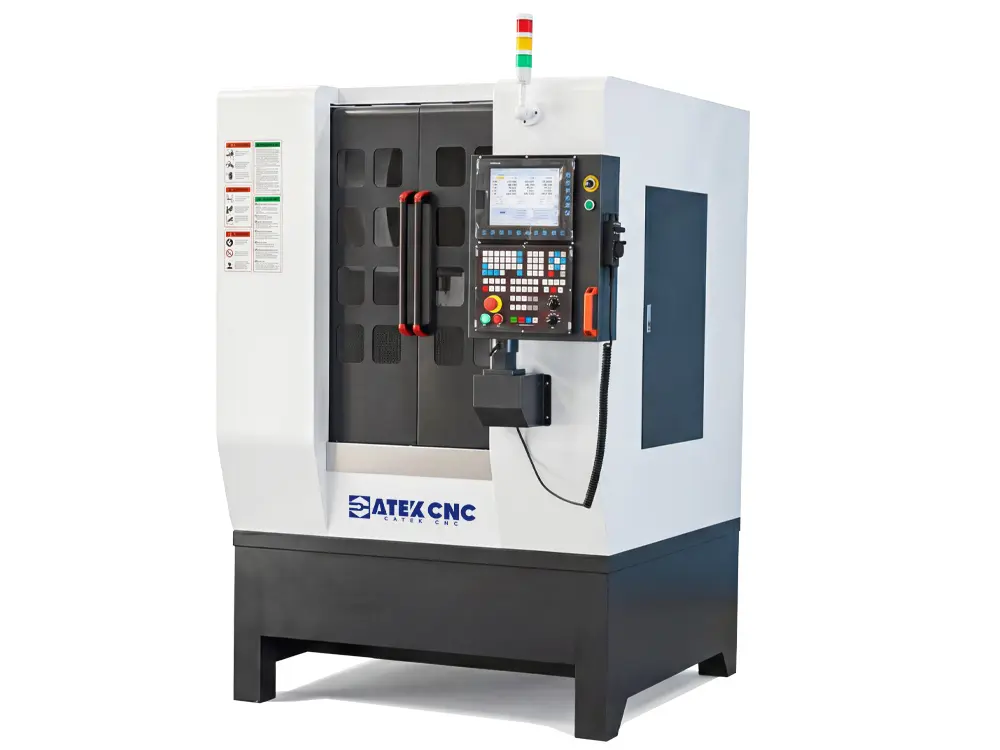
This is a 5-axis CNC metal milling machine featuring a trunnion-type 5-axis design, equipped with an infrared touch probe and automatic tool changer, specifically designed for precision 3D machining of small parts.
$16,800.00~$27,800.00
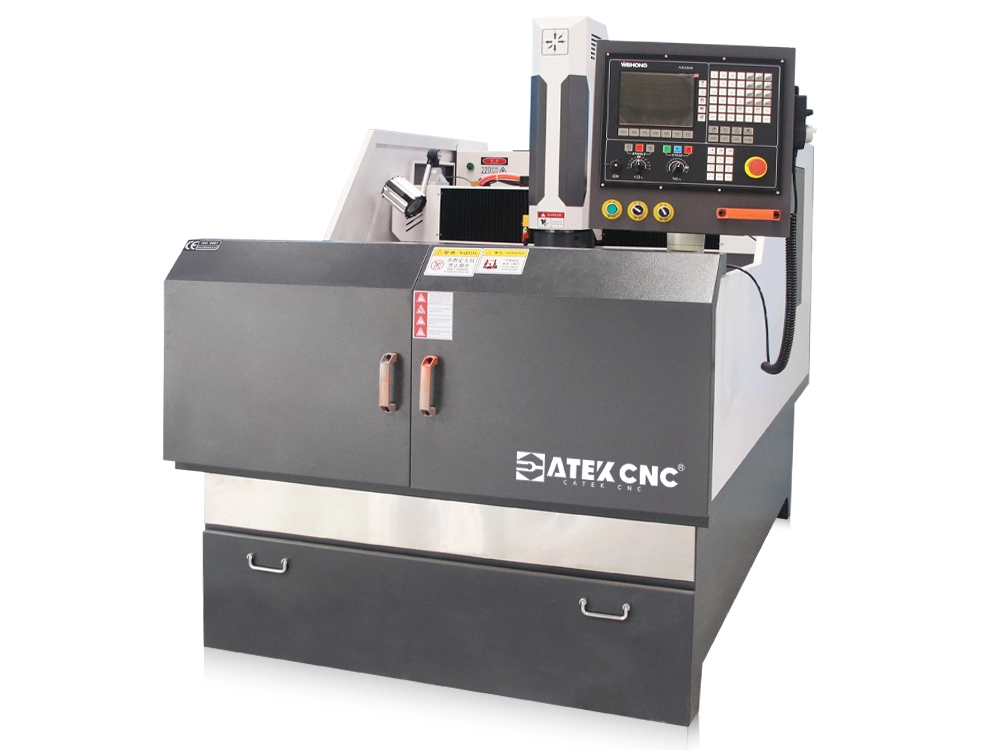
This CNC metal milling machine features a semi-enclosed protective cover, comes with a linear tool magazine capable of holding five tools, offers complete functionality, and is affordably priced.
$5,680.00~$7,570.00
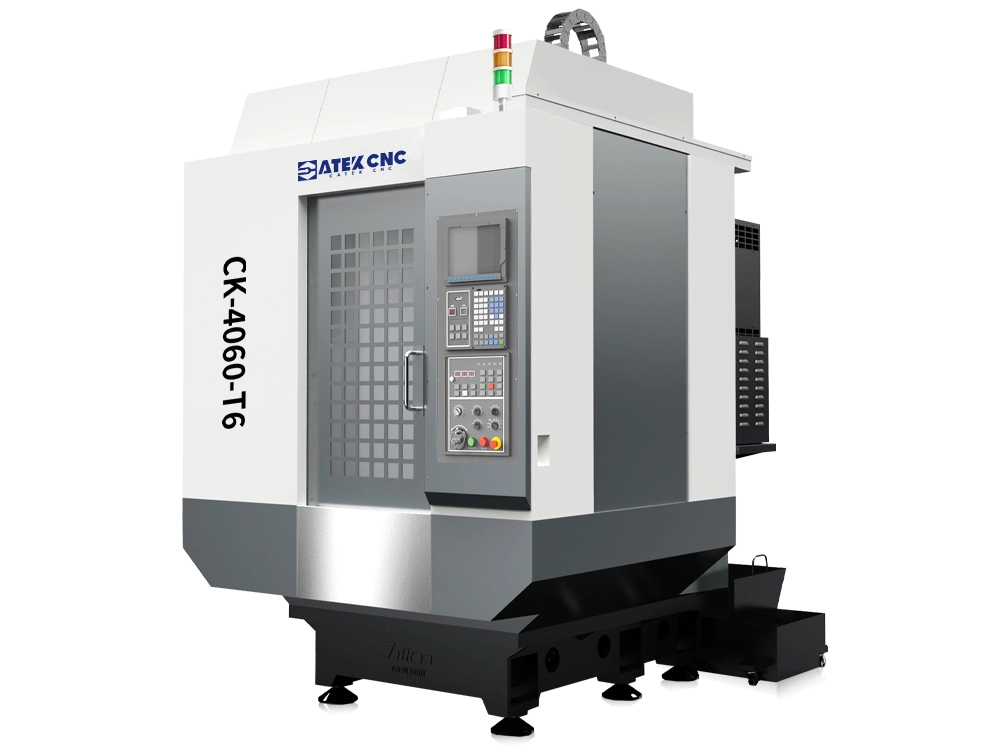
This CNC metal machining center integrates milling, drilling, and tapping, featuring an automatic tool-changing arm-type magazine, widely used for metal parts processing and mold manufacturing.
$16,800.00~$35,600.00
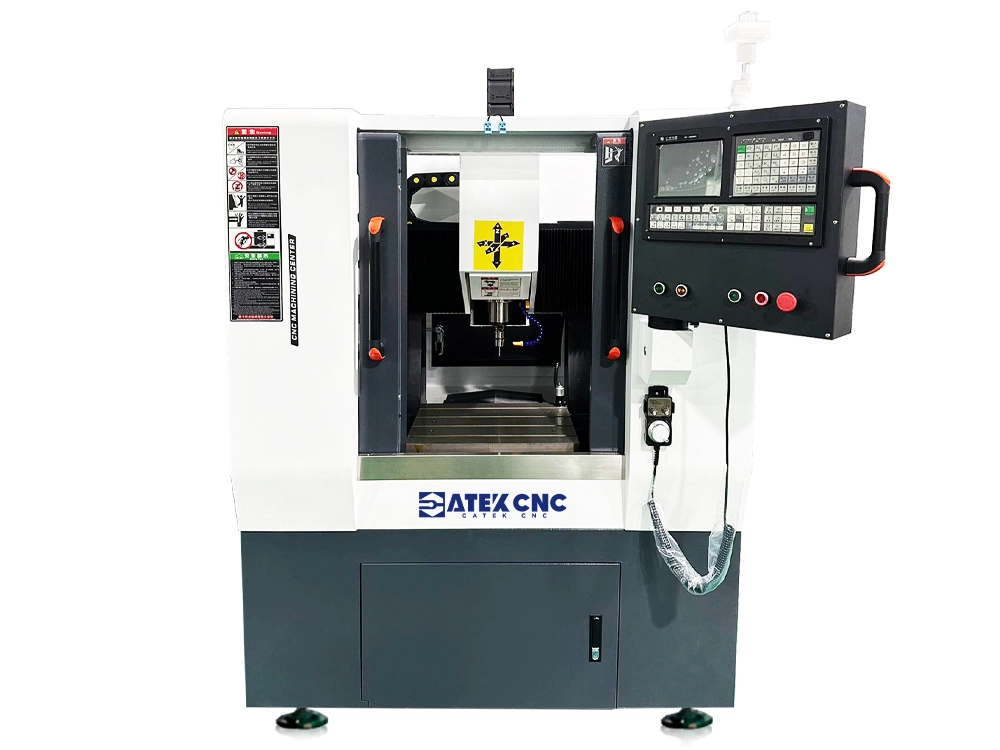
This vertical metal milling machine comes with a fully enclosed housing, automatic coolant spray/filtration system, lubrication, auto tool changer, and tool setter for versatile metal part machining.
$9,700.00~$14,000.00
REVIEWS
Let more people know what you share.