


{{goods.model}}
How Much Does a Fiber Laser Cutting Machine Cost? A Complete Price Guide

How much does a fiber laser cutting machine cost? This is one of the first questions manufacturers ask when they are considering a new metal cutting system. In 2026, the price can vary significantly, with machines ranging from around $5,500 to more than $400,000, depending on the machine type, specifications, and configuration. Standard sheet cutting machines are generally more affordable, while tube cutting, sheet-and-tube systems, and fully automated industrial machines can cost considerably more.
The price of a fiber laser cutting machine is influenced by much more than laser power. The fiber laser source, cutting head, CNC control system, machine bed, servo motors, cooling system, working size, and automation all affect the final cost. For tube cutting machines, factors such as tube diameter, tube length, chuck configuration, automatic loading and unloading, and bevel cutting can make an even bigger difference.
For example, a compact machine designed for a small workshop and a heavy-duty laser system designed for continuous industrial production may both use fiber laser technology, but their prices and capabilities can be completely different. Choosing a higher-power or more automated machine is not always the best option if your actual production requirements do not justify the additional investment.
Therefore, when comparing fiber laser cutting machine prices, it is important to look beyond the initial purchase price. You also need to consider what materials you will cut, the required cutting thickness and size, your production volume, and whether you need sheet cutting, tube cutting, or both.
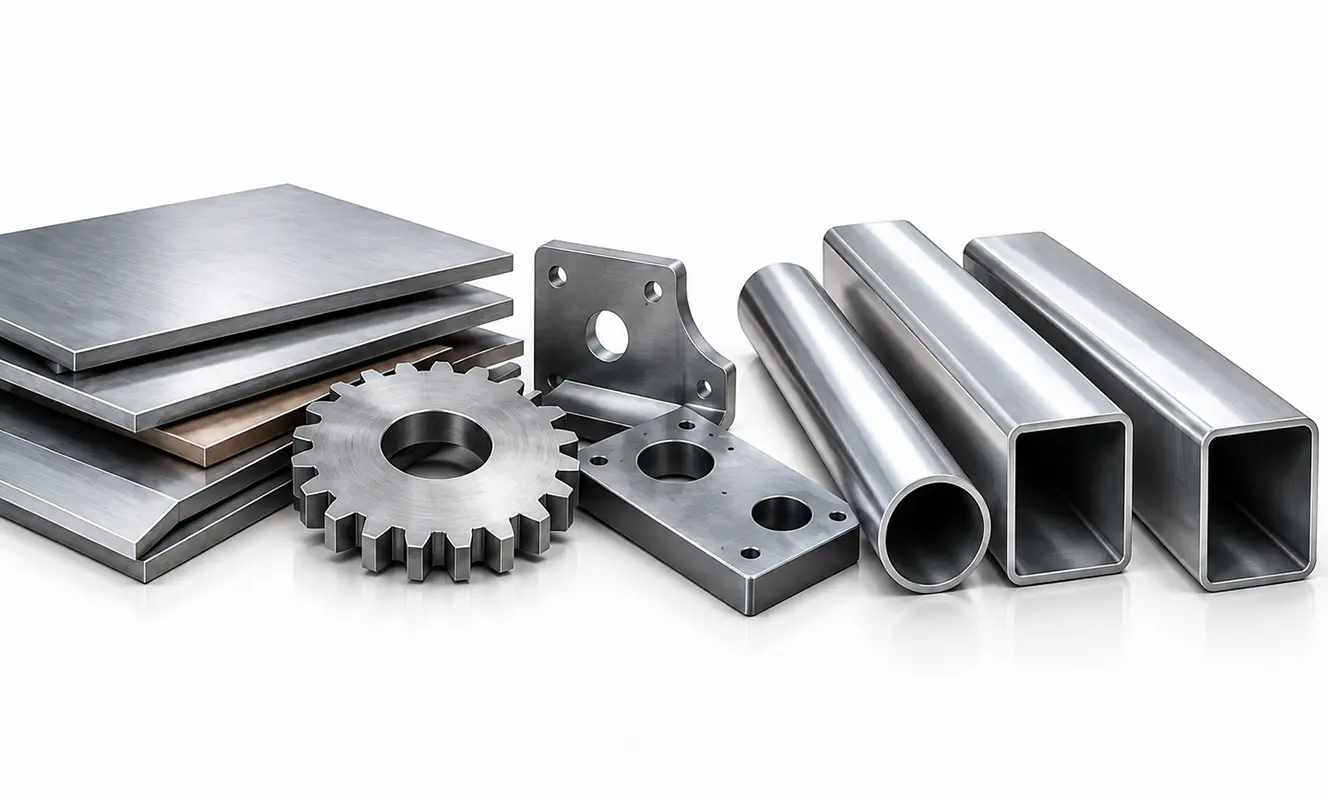
In this guide, we will break down the main factors that affect fiber laser cutting machine cost, compare different machine configurations, and explain how to choose the right system for your production needs without overpaying for unnecessary features.
I.What Determines the Cost of a Fiber Laser Cutting Machine?
The price difference between fiber laser cutting machines can be surprisingly large, even when the machines appear to perform the same basic job. The reason is that the machine is made up of multiple systems, and each component can be configured differently depending on the required cutting performance and production environment.
1.Laser Power
Laser power is one of the most visible factors affecting the price. A 1,500W or 3,000W machine is suitable for many common sheet-metal applications, while higher-power systems such as 6,000W, 12,000W, or 20,000W are designed for thicker materials and higher production requirements.
Higher power does not simply mean a higher purchase price. It can also require a more capable cutting head, cooling system, electrical components, and machine structure. Therefore, it is usually better to choose the power according to the material and maximum thickness you actually need to cut, rather than simply choosing the highest available power.
2. Working Size and Machine Structure
The size of the cutting area also has a direct impact on machine cost. A standard 5×10 ft fiber laser cutting machine is suitable for many sheet-metal applications, but manufacturers working with oversized plates may need a larger-format machine.
As the working area increases, the machine bed, guide rails, transmission system, and overall frame need to become larger and more rigid. This is why large-format fiber laser cutting machines can cost significantly more than standard 3015 machines.
3.Laser Source and Cutting Head
The laser source and cutting head are two important components that directly affect the fiber laser cutting machine cost. Even when two machines have the same laser power and working size, their prices can still be different because the core components, brands, and configuration levels may vary.
The laser source determines the cutting performance, energy efficiency, and long-term stability of the machine, while the cutting head directly affects cutting accuracy, speed, and edge quality. Well-known component brands are usually more expensive because they provide better reliability, wider technical support, and more consistent performance during long-term operation.
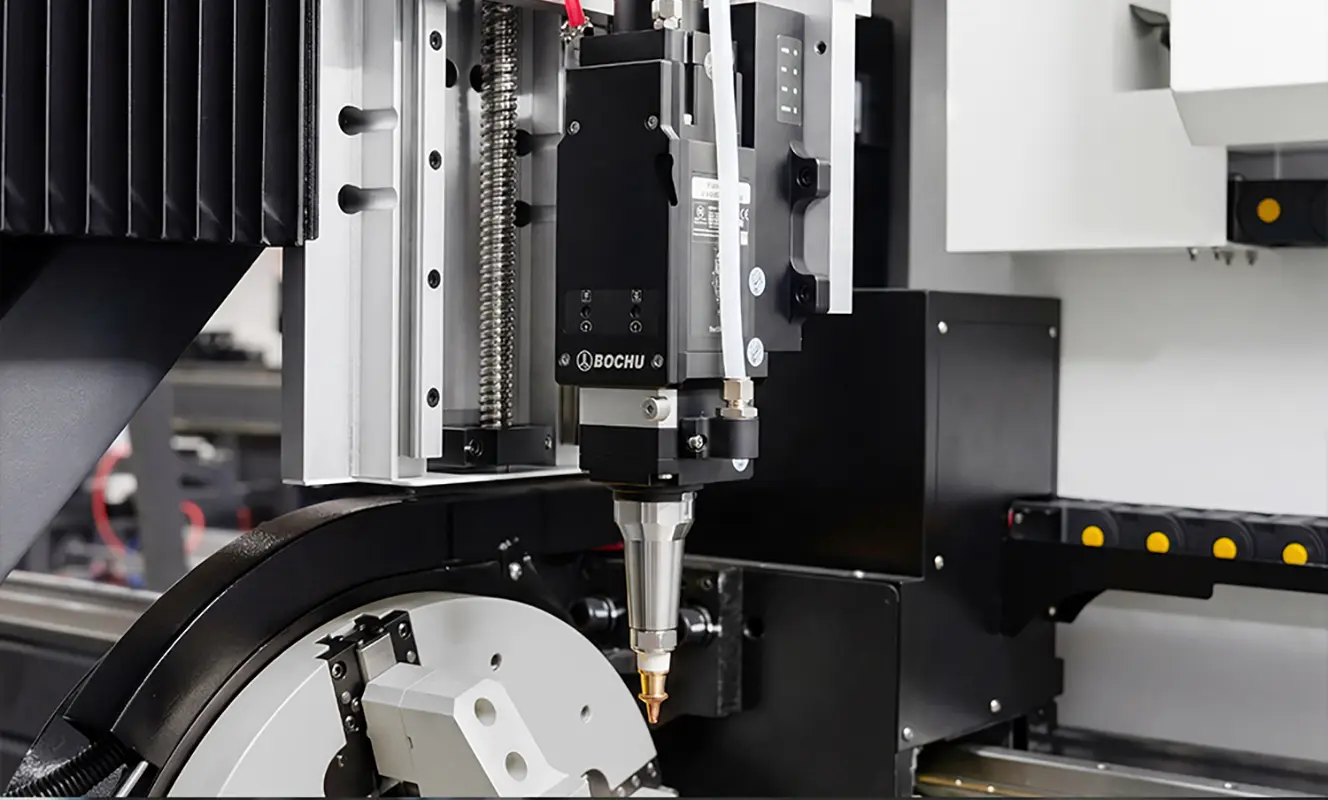
For example, different laser source brands and cutting head brands may have differences in beam quality, maintenance requirements, service life, and compatibility with the overall system. These differences may not be obvious when purchasing the machine, but they can affect production efficiency and operating costs over time.
Therefore, the cost of a fiber laser cutting machine is not only determined by laser power but also by the quality and combination of key components. A machine equipped with reliable components may require a higher initial investment, but it can help reduce downtime, maintenance costs, and production interruptions in the long run.
When comparing different fiber laser cutting machine prices, buyers should check the complete configuration, including the laser source, cutting head, CNC system, and other core components.
4.Automation
Automation is another factor that can significantly affect the fiber laser cutting machine price. Different levels of automation are designed for different production environments and workload requirements.
A basic fiber laser cutter usually requires operators to manually load and unload materials, which can be a cost-effective solution for small workshops or businesses with lower production volumes.
However, for manufacturers that need higher production efficiency, automated features can help reduce operation time and improve machine utilization. Options such as shuttle tables, automatic loading and unloading systems, and tube automatic feeding systems can make a significant difference in continuous production.
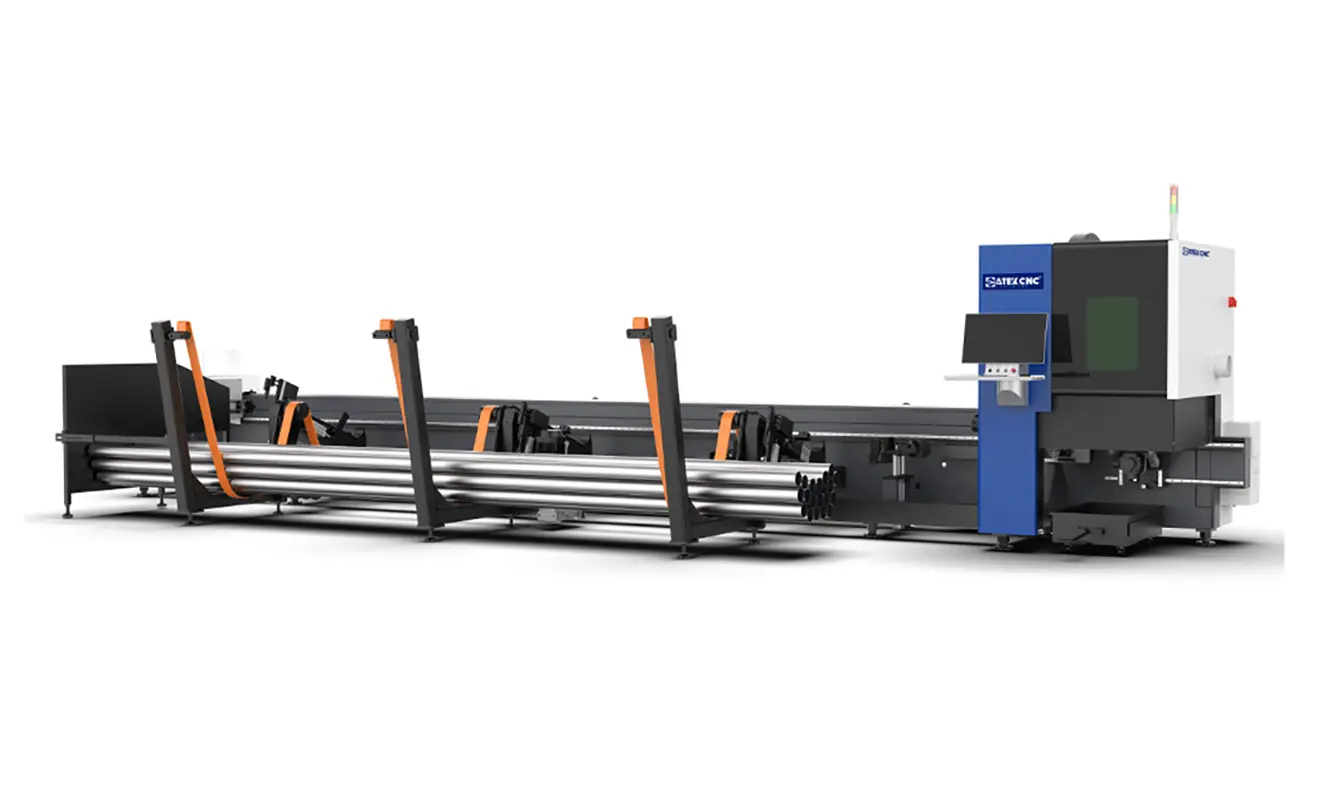
Although automation increases the initial investment, it can bring greater value for companies processing large quantities of materials every day. The right automation level depends on your production volume, labor costs, and expected future growth.
5.Chuck System for Tube Cutting
Unlike sheet metal cutting, tube cutting requires the material to be accurately positioned and securely held throughout the cutting process. The longer, heavier, or more complex the tube, the higher requirements for the chuck system.
A standard tube laser cutting machine may use a basic chuck configuration for common applications, while advanced fiber laser cutting machines with multiple chucks are designed for higher accuracy and better stability when processing long tubes or high-volume production.
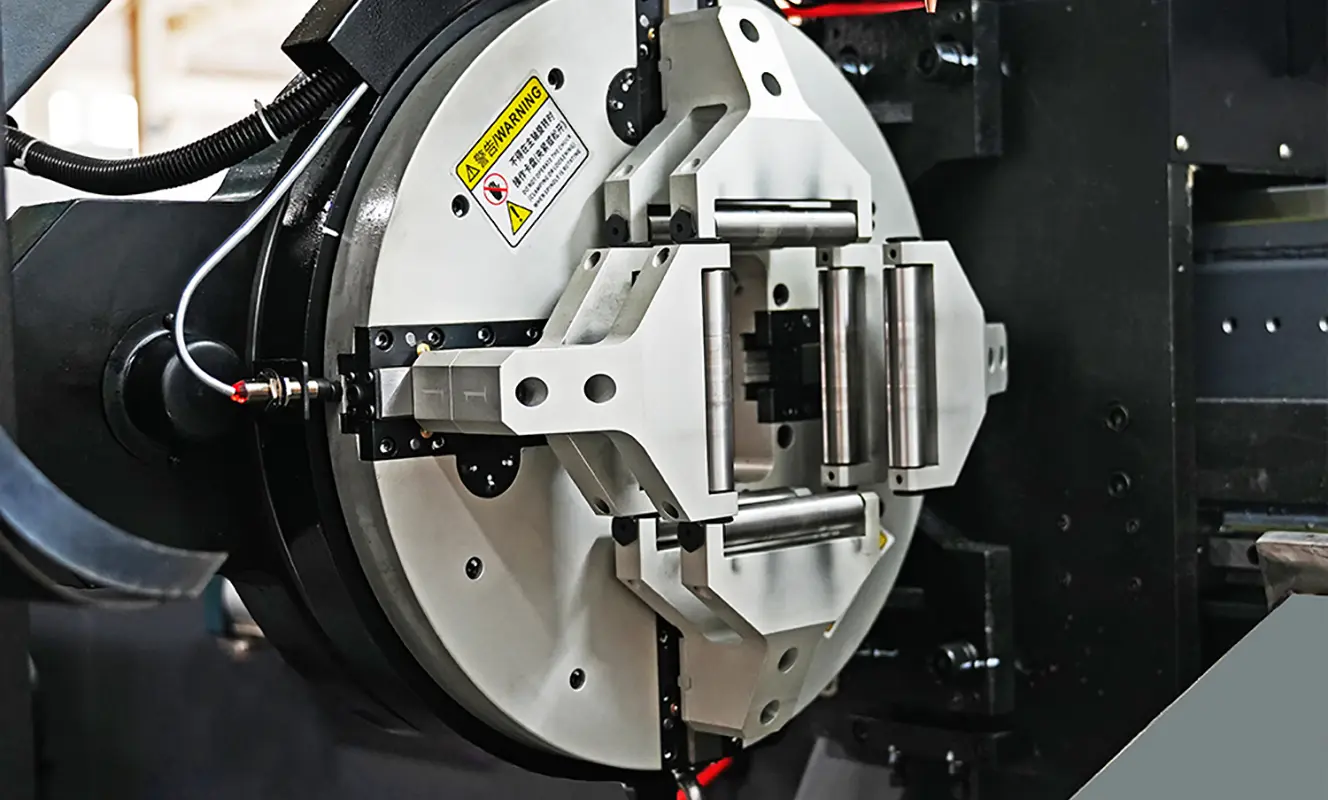
The number of chucks, clamping method, and feeding system can all influence the final fiber laser tube cutting machine price. More advanced chuck systems can improve material support, reduce vibration, and maintain better cutting accuracy during processing.
Therefore, when selecting a tube laser cutter, buyers should consider not only the current tube size but also future production requirements.
6.Bevel Cutting
Bevel cutting is an additional function that can increase the investment cost of a fiber laser cutting machine, especially for manufacturers processing tubes and profiles.
A standard laser cutting machine produces straight cuts, while a bevel cutting system allows the machine to create angled edges for welding preparation or special fabrication requirements.
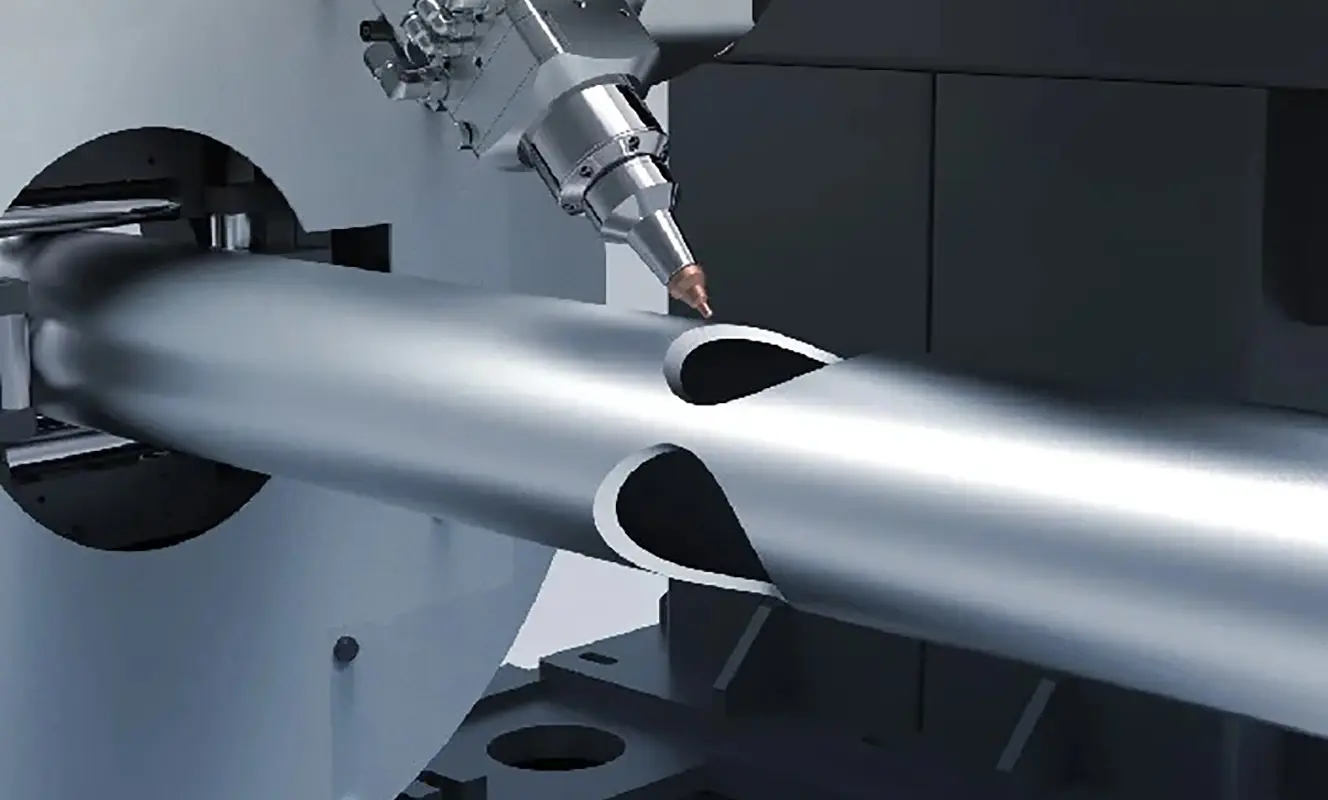
Adding bevel cutting capability requires a more advanced cutting head, higher motion accuracy, and more complex control technology. These improvements increase the overall machine cost compared with a standard tube laser cutting machine.
However, for industries such as steel structures, machinery manufacturing, and professional tube fabrication, bevel cutting can reduce secondary processing steps and improve production efficiency.
II.Fiber Laser Cutting Machine Price by Type
The price of a fiber laser cutting machine depends heavily on what you plan to cut. Sheet metal, tubes, and combined sheet-and-tube applications require different machine structures and configurations, so their prices can vary considerably.
Based on the current CATEKCNC product range, fiber laser cutters cover everything from standard workshop machines to large industrial systems. Here is a closer look at the price range for each major type.
1. Fiber Laser Sheet Cutting Machine
A fiber laser sheet cutting machine is usually the most straightforward option for manufacturers that mainly process flat metal sheets. Depending on the working area, laser power, machine structure, enclosure, and automation, the investment can range from roughly $5,500 to over $190,000.
For many small and medium-sized metal fabrication businesses, a standard sheet laser in the lower price range can already provide the cutting capability needed for everyday production. These machines are commonly used for carbon steel, stainless steel, aluminum, galvanized sheet, and other metal materials.
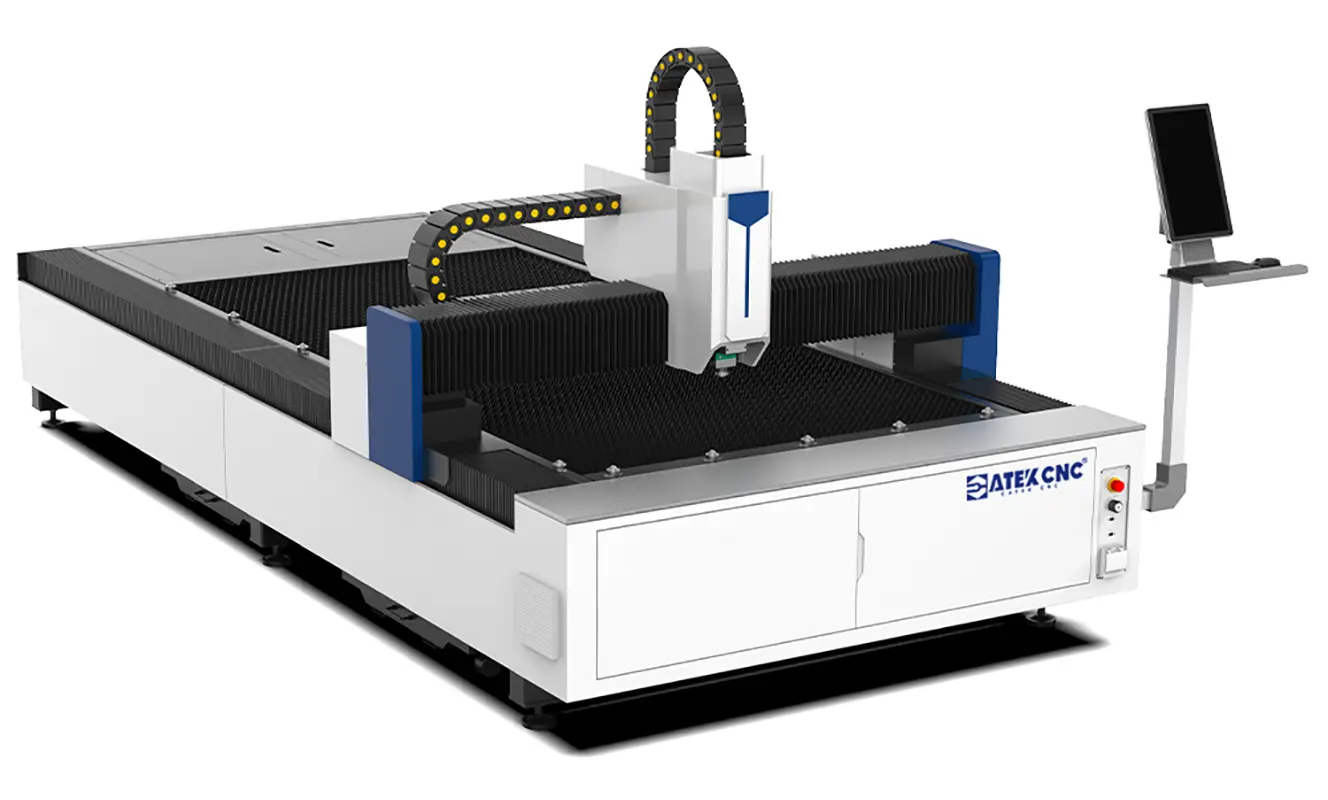
The price increases when the machine is configured for higher production requirements. For example, a larger working area requires a heavier machine structure, while higher laser power requires a more capable cutting system and supporting components. An enclosed structure, shuttle table, automatic loading, or other material-handling equipment can also increase the initial investment.
This is why buyers should not compare machines simply by looking at the fiber laser cutter price. Two machines with the same 3,000W laser may have very different prices because their working sizes, machine structures, automation, and core components are different.
For a workshop mainly cutting standard-size sheets, a basic or mid-range configuration may offer the best balance between investment and production capacity. There is usually little benefit in paying for a large industrial machine if the production volume and material requirements do not justify it.
2. Fiber Laser Tube Cutting Machine
The fiber laser tube cutting machine price has a wider range because tube-cutting requirements can be very different from one manufacturer to another.
A compact tube laser can start at around $16,000, while large industrial systems with multiple chucks, automatic feeding, high laser power, and heavy-duty tube processing can cost several hundred thousand dollars.
The biggest difference is the type of tube production you need to handle. A company cutting relatively small tubes in batches does not need the same configuration as a manufacturer processing 6–12 meter structural tubes weighing hundreds or even thousands of kilograms.
For example, automatic feeding becomes much more valuable when the machine is running continuous batch production. Multiple chucks can provide better support and positioning for long tubes, while a bevel cutting system can be useful when tubes or profiles need angled cuts for welding or fabrication.
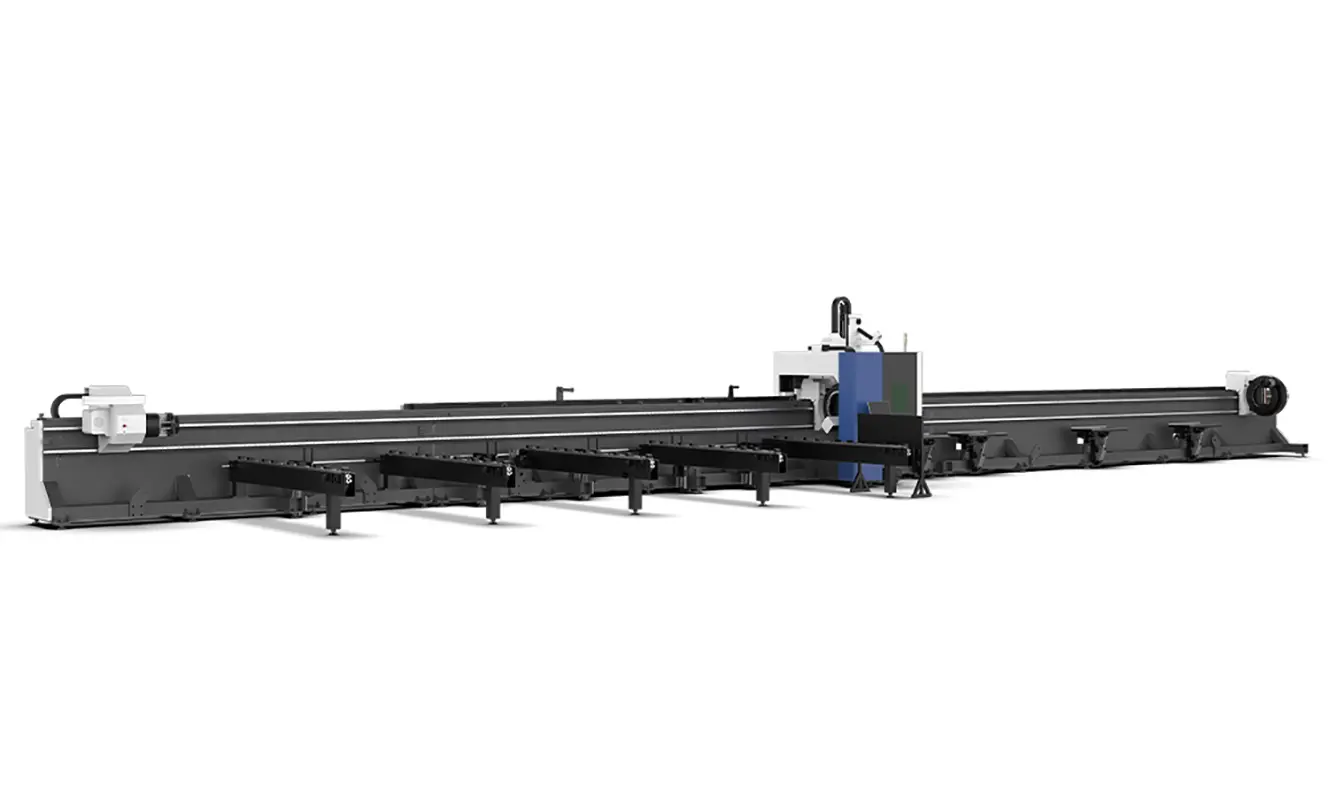
Therefore, when comparing the fiber laser tube cutting machine price, it is important to consider the complete tube-processing configuration rather than the laser power alone. Tube diameter, tube length, maximum weight, chuck system, loading method, and production volume can all have a major effect on the final investment.
3. Fiber Laser Sheet and Tube Cutting Machine
A fiber laser sheet and tube cutting machine generally starts at around $32,000, while more advanced configurations can reach $140,000 or more.
The advantage of this type of machine is flexibility. Instead of purchasing separate equipment for sheet metal and tube processing, manufacturers can use one machine for both applications. This can be particularly attractive for metal fabrication companies producing different types of parts, frames, brackets, panels, furniture components, and structural products.
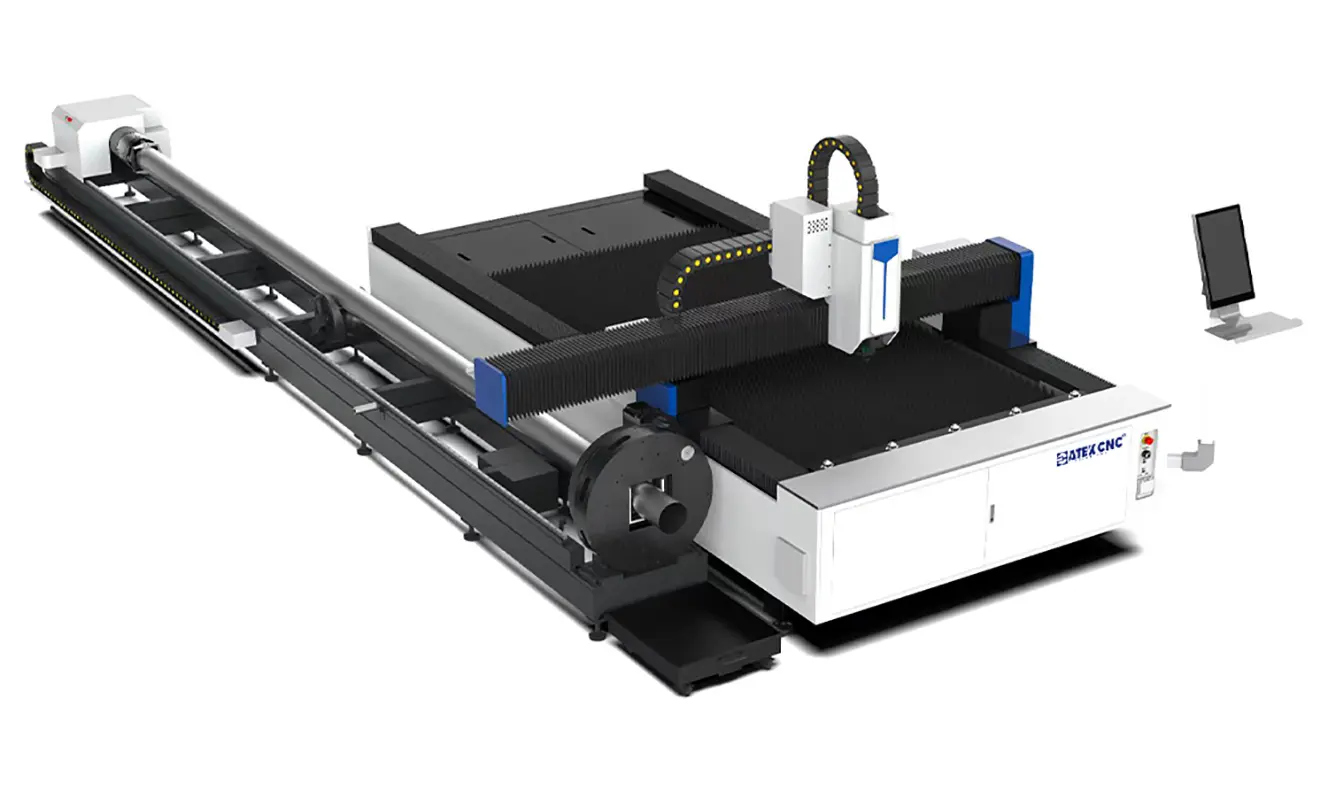
However, the additional tube-cutting system naturally increases the machine cost compared with a sheet-only laser. The final price also depends on whether the machine uses manual or automatic tube loading, a standard or shuttle table, an enclosed structure, and other production features.
For businesses where both sheet and tube cutting represent an important part of production, the additional investment can be worthwhile. You are not simply paying for another cutting function—you are gaining the ability to switch between different types of work without maintaining two separate laser cutting machines.
On the other hand, if almost all of your production involves flat sheets, a dedicated sheet laser may provide a better return on investment. The decision should therefore be based on your actual production mix, rather than choosing the most versatile machine simply because it offers more functions.
III.How Much Should You Budget for a Fiber Laser Cutting Machine?
A useful way to set your budget is to start with your current production demand, then consider how quickly you expect that demand to grow. This helps avoid two common mistakes: buying a machine that is too limited from the beginning, or spending heavily on capacity that will not be used.
1. For a Small Metal Fabrication Workshop
For a small workshop, a budget of around $15,000–$40,000 is often a reasonable starting point.
At this stage, the priority is usually getting reliable cutting capability without putting too much money into unused capacity. If most orders involve standard sheet sizes and moderate production volumes, a straightforward fiber laser can be enough to start bringing cutting work in-house.
The budget should first cover the essentials: suitable laser power, an appropriate working area, reliable core components, and a machine structure that can handle your daily workload. Features that mainly improve high-volume production can be added later if they are not yet necessary.
This approach is particularly useful for businesses that are moving from outsourced laser cutting to their own equipment. Instead of trying to build a fully automated production line from day one, the machine can first be selected around the work you already have.
2.For a Growing Metal Fabrication Business
For a business with increasing orders, a budget of approximately $40,000–$100,000 gives you more room to plan for the next stage of production.
The key question here is no longer simply “Can the machine cut my material?” It is “Can the machine keep up with my orders?”
When production becomes busier, cutting speed, material handling, machine uptime, and operator efficiency become more important. This is where spending more on productivity-oriented features can make sense.
For example, if operators are spending a significant amount of time loading and unloading sheets, upgrading the material-handling system may provide more value than simply increasing laser power. Similarly, if your orders include both sheet metal and tubes, investing in a sheet and tube laser cutting machine may give the business greater flexibility without purchasing two separate machines.
For a growing company, it is also worth considering the next three to five years of production rather than selecting a machine purely according to today's workload. A slightly higher initial investment can be justified if it prevents the machine from becoming a production bottleneck as orders increase.
3.For High-Volume Industrial Production
For high-volume industrial production, the budget may start at around $100,000 and extend to several hundred thousand dollars, depending on the production system.
At this level, the purchase should be viewed less as buying a machine and more as investing in production capacity.
When a laser cutting machine operates for long hours every day, even small differences in cycle time, loading efficiency, downtime, and operator involvement can accumulate into significant production costs. This is why industrial buyers often pay more attention to throughput and overall operating efficiency than to the lowest purchase price.
For example, a manufacturer processing large quantities of tubes may benefit from automatic feeding and multi-chuck systems. A company working with oversized sheet metal may prioritize a larger-format machine. For fabrication that requires welding preparation, bevel cutting may eliminate additional processing after laser cutting.
At this production level, the right budget should therefore be based on the cost of achieving the required output, not simply the purchase price of the machine. A more expensive system can make financial sense if it allows the factory to produce more with less manual handling and fewer production interruptions.
It is about putting your budget into the capabilities that will actually affect your production.
IV.Is a More Expensive Fiber Laser Cutting Machine Worth It?
Not necessarily. A higher fiber laser cutting machine price is worthwhile only when the additional configuration can improve your actual production.
A more expensive machine is usually worth considering when you need:
- Higher production capacity — higher laser power and faster cutting for larger workloads.
- Less manual operation — automatic loading, unloading, or shuttle tables can reduce labor and handling time.
- More processing flexibility — sheet-and-tube cutting or bevel cutting can expand the types of jobs you can accept.
- Heavy-duty production — larger machines and multi-chuck systems are better suited to long, heavy tubes and continuous industrial use.
For a small workshop with limited production, a basic configuration may provide a better return on investment. There is no need to pay for capacity or automation that you will rarely use.
For a high-volume manufacturer, however, choosing the cheapest machine can also be expensive in the long run if slow processing and manual handling become production bottlenecks.
The best fiber laser cutting machine is not the most expensive one. It is the one whose price and configuration match your production needs.
V.What Information Do You Need Before Getting a Fiber Laser Cutting Machine Quote?
Before requesting a fiber laser cutting machine quote, preparing a few key details can help the manufacturer recommend the right machine configuration and provide a more accurate price.
1. Material Type
Please specify the materials you plan to cut, such as carbon steel, stainless steel, aluminum, brass, or galvanized steel. Different materials may have different cutting requirements.
2. Maximum Sheet Thickness
Please provide the maximum thickness you need to cut, as well as the thicknesses you most frequently process. This will help determine the appropriate laser power.
3. Maximum Pipe Diameter
If you need to cut tubing, please provide the maximum tube diameter or profile dimensions you expect to process. Round, square, and rectangular tubing may require different cutting methods.
4. Sheet Size / Tube Length
For sheet metal cutting, please specify your typical or maximum sheet sizes, such as 5 × 10 feet or 6 × 12 feet. For tube cutting, please provide the required tube length.
5. Expected Production Volume
Provide an estimate of your expected production volume. This helps determine whether a standard configuration is sufficient or if a higher-speed or automated machine would be more appropriate.
6. Required Laser Power
If you already know the required laser power, please specify it in your inquiry. If you are unsure, simply provide the material and thickness requirements, and the manufacturer will recommend an appropriate power level.
7. Automation Requirements
Consider whether you need automatic loading/unloading, a shuttle table, automatic tube feeding, multiple chucks, bevel cutting, or other automation features.
VI.CATEKCNC Fiber Laser Cutting Machines: Find the Right Configuration
Whether you are starting a small metal fabrication business or looking for a high-volume industrial cutting solution, CATEKCNC offers different fiber laser cutting machine configurations to match different production requirements.
For sheet metal cutting, choose from standard, enclosed, shuttle-table, and large-format fiber laser cutting machines, depending on your production volume and sheet size.
For tube and profile cutting, CATEKCNC offers compact tube lasers as well as high-capacity systems with automatic feeding, multiple chucks, and optional bevel cutting.
For manufacturers working with both sheets and tubes, a sheet and tube laser cutting machine provides greater flexibility without requiring two separate machines.
The right configuration depends on the work you actually need to do. You don't need to pay for features you won't use, but the machine should have enough capacity for your current production and future growth.
If you already know your material, thickness, sheet or tube size, and production volume, send these details to CATEKCNC. Our team can recommend a suitable configuration and provide a machine quotation based on your application.
Explore CATEKCNC Fiber Laser Cutting Machines
VII.Conclusion
The fiber laser cutting machine cost depends on the machine type, laser power, working size, automation, and production requirements. The best choice is not the most expensive machine, but the configuration that matches your actual needs and budget.
By comparing the machine specifications, production capacity, and long-term value, you can choose a fiber laser cutting machine that supports your business without unnecessary investment.